Curon Pet





1 / 5
The most widely known probiotics are the live cultures found in yogurt, but they are also available as nutritional supplements. Labels should include an expiration date, the exact species, the number of microorganisms in the product and a guarantee for the number of live organisms. The manufacturer should be able to provide support for the efficacy of the product, preferably a study by an external, accredited researcher.
Clinical nutrition and sports medicine recommendations suggest certain probiotic products have studies showing their efficacy, which may be helpful for patients with irritable bowel disease.
Probiotics are measured in colony forming units, or CFUs. The current recommendation for dogs is 1-10 billion CFUs a day.
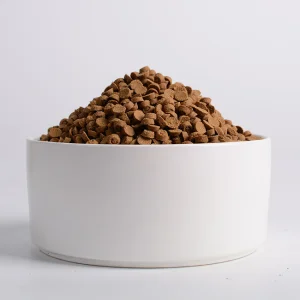
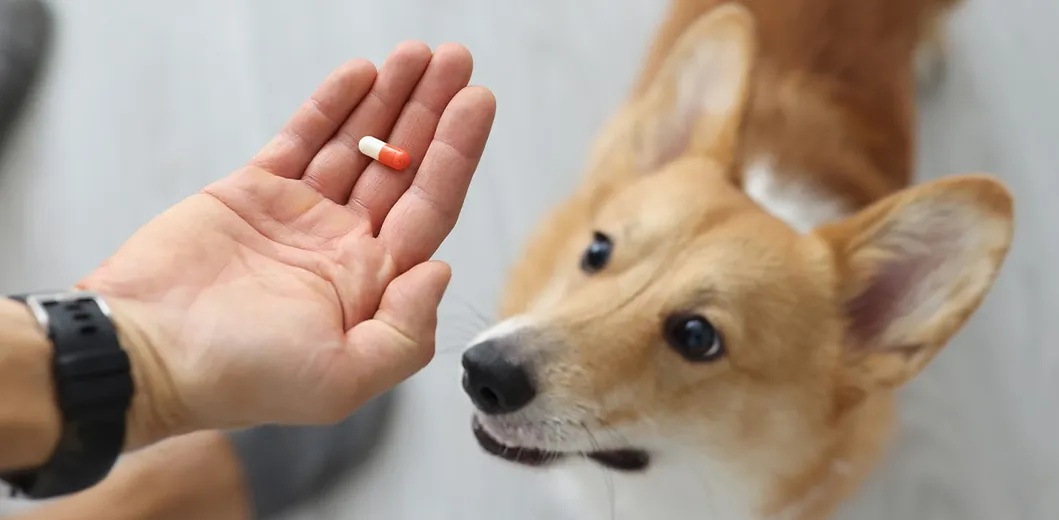
Most dogs willingly eat probiotics added to their food. If your dog is pickier, a capsule form can be easily disguised in a treat.

Probiotics can be given proactively if you know a stressful event is coming up, such as boarding while you are on vacation or moving. Start giving the probiotics several days in advance so that your dog already has an ideal gastrointestinal tract. You can also give probiotics daily as part of your dog's long-term health care.
Probiotics normalize the conditions in the intestines by changing the local acidity of the digestive tract and releasing short-chain fatty acids.
This gives dogs a leg up if they end up ingesting harmful bacteria such as Salmonella. Probiotics help inhibit the growth of these bacteria by competing for the same nutrients and resources. Boosting the populations of helpful bacteria limits the nutrients available for the bad bacteria and reduces their numbers to levels that your dog can tolerate better.
Your dog's gastrointestinal tract contains about 70% of their immune system, putting it on the front line for preventing pathogens from accessing the rest of the body. By normalizing the conditions in the digestive system, probiotics allow the immune system to function properly.
Probiotics are safe. Studies for any given product should show that the probiotic does not promote antibiotic resistance in other bacteria and that it is not pathogenic itself. Severely immunocompromised dogs should only be given probiotics with caution and under veterinary supervision, as their immune systems may not be able to handle the strain of any bacterial load.




A: Current recommendations suggest providing dogs with 1 to 10 billion colony forming units (CFUs) per day to maintain optimal digestive health.
A: While most dogs accept probiotics mixed directly into their food, capsule forms can be easily hidden inside a treat for more selective pets.
A: Yes. It is recommended to start probiotic supplementation several days before events like moving or boarding to prime the gastrointestinal tract.
A: Since approximately 70% of a dog's immune system resides in the gut, probiotics help maintain a healthy digestive environment, allowing the immune system to function more effectively.
A: Probiotics are generally safe, but severely immunocompromised dogs should only use them under strict veterinary supervision to ensure safety.
A: Probiotics can benefit dogs suffering from allergies, anxiety, chronic diarrhea, irritable bowel syndrome, skin disorders, and urinary tract infections.