Training your pet can be a rewarding experience for both you and your furry companion. Understanding how to use treats for pet training effectively is essential for establishing positive behaviors. When employed correctly, treats can motivate pets and reinforce good actions. However, pet owners often wonder about the best methods for utilizing treats during training.
Consider the type of treats you use. Some pets may prefer soft treats, while others enjoy crunchy ones. Be mindful of portion sizes to prevent overfeeding, which can lead to health issues. Additionally, timing is crucial. Deliver the treat immediately after the desired behavior to create a clear connection. It's important to remain patient and consistent throughout the process as challenges may arise.
Training pets is not always straightforward. Many factors can influence a pet's response to treats, such as distractions or their mood. Reflect on your approach when things don’t go as planned. Adjusting your training techniques may yield better results. Embrace the journey of learning and growing together with your pet as you explore how to use treats for pet training effectively.
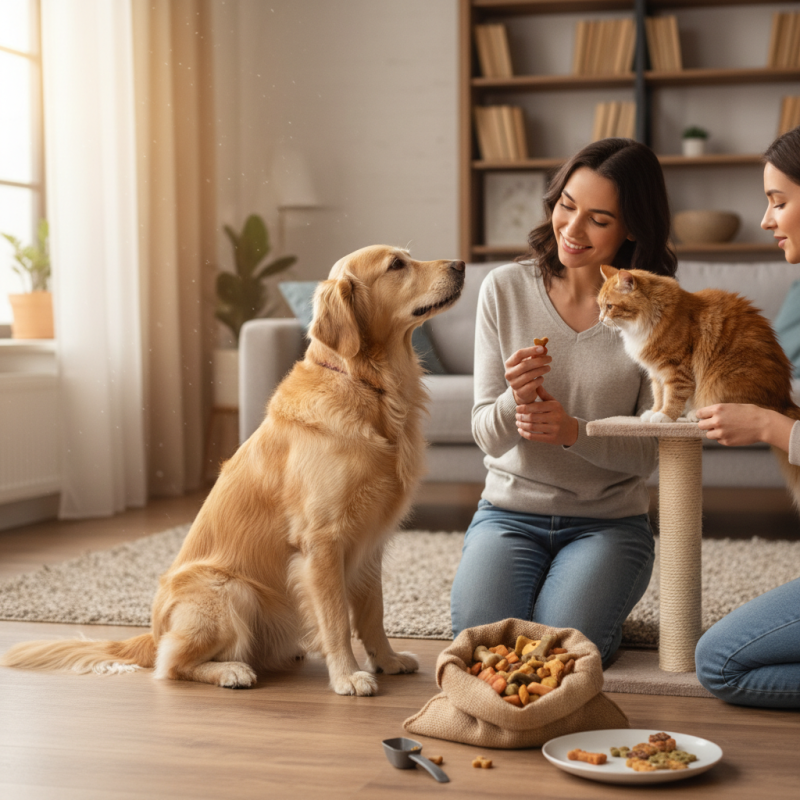
Treats play a crucial role in pet training. Studies show that 85% of dog trainers use treats as a primary reward. This method taps into the basic psychological principle of positive reinforcement. When pets receive treats, they associate specific behaviors with rewards. This connection enhances overall obedience and learning.
However, using treats effectively requires a careful approach. Offering too many can lead to obesity in pets. According to research from the Association for Pet Obesity Prevention, approximately 60% of dogs in the U.S. are overweight. Therefore, it's essential to balance treats with regular meals. Use small, low-calorie treats to maintain health while training.
Timing also matters. Deliver the treat immediately after the desired behavior. This clarity helps pets understand what they did right. Consistency in treating behavior reinforces learning. Trainers emphasize varied treat options to sustain interest. Yet, not all pets enjoy the same rewards. Observing your pet's reactions is key. Tailoring treats to individual preferences ensures effective training.
Choosing the right treats for your pet can make a significant difference in training outcomes. Look for options that are specifically designed for training purposes. These treats should be small, easy to chew, and highly palatable. Pets often respond better to softer treats, especially if they are motivated by taste.
Consider your pet's dietary needs as well. Some pets have food allergies or sensitivities. It's essential to choose treats that align with their health requirements. For instance, grain-free or low-calorie options may be appropriate. Experiment with a few different types to find what your pet enjoys most. Pay attention to their reactions to each treat during training sessions.
Sometimes, what works for one pet may not work for another. Don’t hesitate to adjust your approach based on your pet’s preferences. Be mindful of using treats sparingly to avoid overfeeding. Regularly review their diet and treat intake to maintain a healthy balance in their nutrition. Creating an environment where your pet feels motivated to learn may require patience and experimentation, but the rewards will be worth the effort.
| Treat Type | Primary Ingredient | Best For | Caloric Content (per treat) | Training Benefit |
|---|---|---|---|---|
| Soft Chewy Treats | Chicken | Dogs | 5 kcal | High motivation |
| Crunchy Biscuit Treats | Peanut Butter | Dogs | 10 kcal | Teeth cleaning |
| Freeze-Dried Treats | Meat (various) | Dogs & Cats | 4 kcal | High palatability |
| Dental Chews | Vegetable-based | Dogs | 20 kcal | Dental health |
| Training Bits | Liver | Dogs | 2 kcal | Quick rewards |
Setting up a training session with treats requires careful planning. Start by choosing a quiet environment with minimal distractions. Studies suggest that pets learn better in focused settings. A calm atmosphere improves attention spans. Gather necessary supplies, including treats and toys, to keep your pet engaged.
Select high-value treats that your pet loves. According to surveys, about 71% of pet owners find that specific treats enhance training effectiveness. The scent and taste can significantly impact your pet’s motivation to learn. Small, easily digestible treats work best, allowing for multiple rewards during a session.
Consider the timing of your rewards. Immediate reinforcement is crucial for effective training. When your pet performs a desired behavior, offer a treat right away. This connection helps strengthen the learning process. However, reflect on potential over-reliance on treats. Too many rewards can lead to a lack of responsiveness without them. Balancing treat use with praise is essential. This encourages positive behavior without fostering dependency.
Using treats during pet training can significantly enhance learning outcomes. According to a study published in the Journal of Veterinary Behavior, positive reinforcement techniques can improve retention rates in dogs by up to 80%. This is a powerful indicator of how effective treat-based training can be when applied correctly.
To maximize the effect of treats, timing is crucial. Dogs should receive treats immediately after exhibiting the desired behavior. This creates a clear connection between the action and the reward. For example, if you want your dog to sit, offer a treat the moment they do so. Observational data suggests that using high-value treats, like small pieces of chicken or cheese, can further motivate pets.
It’s important to remember that not all pets respond the same way to treats. Some may become overly focused on the food rather than the training itself. If this happens, it’s the trainer's job to adjust their approach. Finding the right balance can take time and patience. Tracking your pet’s progress can reveal patterns in behavior and preferences, allowing for tailored training strategies that maximize engagement.
Monitoring your pet's progress during training is crucial. It allows you to see what works and what doesn't. Keep a training journal. Note each session's successes and challenges. This helps in adjusting your approach based on real feedback from your pet.
Treats should be used strategically. Start with high-value treats for difficult tasks. As your pet improves, consider switching to lower-value rewards. This transition encourages consistency. Ensure that the treats remain appealing, even if they are less frequent. Observing your pet's reaction can guide your treat adjustments.
Don't hesitate to change your method if progress stalls. Sometimes, a particular treat may lose its charm. Be ready to rethink your choices. Reflect on your training sessions regularly. Are you rewarding often enough? Are the treats motivating? Adjust your strategy to keep the training effective.
: Choose small, easy-to-chew treats that are highly palatable. Pets respond better to softer treats.
Be aware of any food allergies. Look for grain-free or low-calorie treats that suit your pet's health needs.
Experiment with different types and observe your pet's reactions during training sessions.
A quiet setting with minimal distractions helps pets concentrate. This improves their attention span during training.
Offer treats immediately after your pet performs the desired behavior. This strengthens their learning connection.
Yes, an over-reliance on treats may reduce your pet's responsiveness without them. Balance treats with praise.
Adjust your approach to ensure your pet remains engaged with the training itself, not just the food.
Observing behavior patterns can help you identify preferences. Tailor your training strategies accordingly.
Finding the right balance may take time. Each pet is unique, and experimentation can lead to better outcomes.
Regularly review treat intake and diet to maintain a healthy balance for your pet.
In understanding how to use treats for pet training effectively, it is essential to recognize their significant role in the learning process. Treats serve as positive reinforcement that motivates pets to learn and adopt desired behaviors. Choosing the right treats is crucial; they should be appealing to your pet and appropriately sized for easy consumption during training sessions.
Setting up a successful training environment involves minimizing distractions and clearly defining training goals. Employing effective techniques, such as timing the reward immediately after the desired behavior, can enhance learning. Additionally, monitoring your pet's progress and adjusting treat usage based on their response is vital to keep the training effective and engaging. By following these guidelines, pet owners can maximize the benefits of treats in their training efforts.

Curon Pet