Can Too Many Treats Cause Pet Obesity Issues?

Time:2026-05-16 Author:Oliver
0%

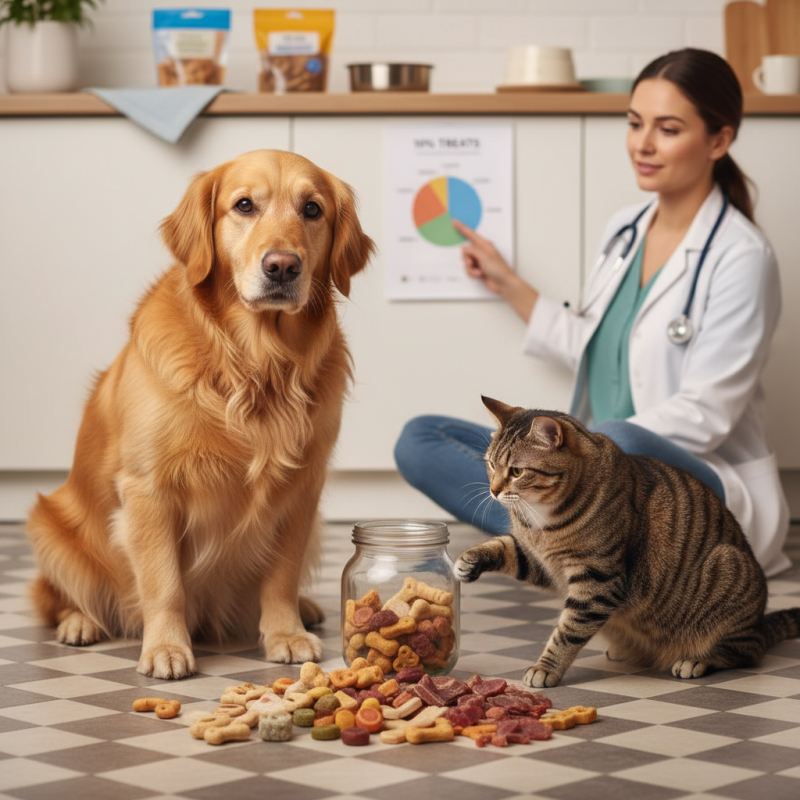
Pets bring joy to our lives, but they also come with responsibilities. One major concern is pet obesity. "Can too many treats make pets overweight?" is a pressing question among pet owners. Dr. Sarah Thompson, a veterinary nutritionist, emphasizes, “Treats should only make up about 10% of a pet's daily calories.”

Excessive treats can lead to weight gain and health issues. Many pet owners unknowingly overindulge their furry friends. A couple of extra biscuits here and there add up quickly. Understanding the balance between treats and a pet's overall diet is crucial for their well-being.

Being mindful of treat portions is essential. A healthy pet requires more than just love—it takes knowledge. Consider replacing high-calorie treats with healthier options or even playtime. Reflecting on our choices can foster better habits for our pets and lead to a healthier lifestyle.
Can Too Many Treats Cause Pet Obesity Issues?

Impact of Overfeeding Treats on Pet Weight Management

Overfeeding treats is a common issue among pet owners. Many pet parents see treats as a way to bond or reward their furry companions. However, these snacks often contain high calories. Just a few extra treats can lead to weight gain over time. Pets may not burn off these excess calories during less-active periods.

The impact of overfeeding can be profound. Obesity in pets is not just about weight; it affects overall health. Many pets develop diabetes, joint problems, and heart disease due to excess weight. The consequences are serious and can shorten their lifespan. Owners might overlook portion sizes, thinking a few more bites won’t hurt.

It’s essential to reflect on treat habits. Assessing how many treats are given is crucial. Consider using healthier options or reducing meal portion sizes to accommodate treats. Encouraging playtime can also help burn off those extra calories. Awareness and moderation are key to maintaining a pet's healthy weight.

Statistics on Pet Obesity Rates and Its Health Consequences

Pet obesity is a pressing issue in modern veterinary health. Recent statistics indicate that approximately 60% of dogs and 56% of cats in the United States are classified as overweight or obese. This alarming trend contributes to a range of health complications. Conditions such as diabetes, arthritis, and heart disease are increasingly diagnosed in pets with excessive weight. The impact of obesity can decrease a pet's lifespan significantly.

Feeding habits play a crucial role in this epidemic. Treats account for a large portion of daily caloric intake for many pets. A survey revealed that nearly 43% of pet owners admit to giving their pets treats too often. This can lead to significant weight gain over time. The Veterinary Medical Association highlights that even a small weight increase can have serious consequences for a pet's health. It’s critical for pet owners to rethink their approach to feeding and to consider healthier options.

Understanding pet obesity demands careful attention. Pet owners must reflect on their pets' dietary habits. Regular check-ups and weight monitoring are essential. Keeping pets at an appropriate weight requires effort, commitment, and a plan tailored to individual needs.

Can Too Many Treats Cause Pet Obesity Issues? - Statistics on Pet Obesity Rates and Its Health Consequences

Category Percentage of Overweight Pets Health Issues Associated Percentage of Owners Who Provide Treats
Dogs 56% Diabetes, Joint Problems, Heart Disease 72%
Cats 60% Obesity-Related Illnesses, Kidney Disease, Hypertension 68%
Small Animals (Rabbits, Guinea Pigs) 28% Digestive Issues, Reduced Lifespan 45%
Total Pets 50% Overall Health Decline 70%

Recommended Daily Caloric Intake for Pets Based on Size and Breed

Understanding the right caloric intake for pets is crucial for their health. Pets, like humans, require a balanced diet. Obesity in pets has become a growing concern, with reports indicating that around 56% of dogs and 60% of cats in the U.S. are overweight. Breeds vary significantly in their caloric needs. For instance, a small dog like a Chihuahua might need about 200-300 calories daily, while a larger breed such as a Labrador requires around 1,200-1,500 calories per day.

Monitoring treat intake is vital. Treats should make up no more than 10% of your pet's total caloric consumption. For example, if your dog needs 500 calories daily, only 50 calories should come from treats. It’s easy to exceed this with dog biscuits or table scraps. Learn to replace some treats with healthier options, such as carrot sticks or apple slices, which are lower in calories.

Tips: Always measure your pet's food and treats. Use a scale or measuring cup. Regular vet check-ups can help identify weight issues early. Adjust portions as needed, especially during less active seasons. Keeping a food diary might help in keeping track of your pet’s intake. It’s essential to understand that weight management is a journey. Small, consistent changes lead to lasting results in your pet's health.

Can Too Many Treats Cause Pet Obesity Issues?

Obesity in pets can be influenced by excessive treats. The chart above illustrates the recommended daily caloric intake based on pet size. Ensuring your pet stays within these limits can help prevent obesity-related health issues.

Role of Treats in a Balanced Diet: Guidelines from Veterinary Experts

Treats can play a significant role in a pet's diet. They provide joy and bonding moments for pets and their owners. However, excessive treats may lead to obesity. Veterinary experts suggest that understanding how to include treats is crucial for overall pet health.


A balanced diet is essential. Most pet treats are calorie-dense. It’s easy to overdo it. A few extra treats each day can quickly add up. This can have serious health implications. Obesity may lead to diabetes and joint problems. Regular monitoring of your pet's weight can help.


To keep treats beneficial, use them wisely. Select low-calorie options and limit the amount given. Aim for no more than 10% of your pet's total daily calorie intake. Treats should enhance, not replace, nutritious meals. Reflecting on your pet’s treat routine is key to avoiding weight gain.


A happy pet is a healthy pet, but balance is essential.

Strategies to Reduce Treat Consumption and Promote Healthy Habits

Treats can be a tempting indulgence for pets. However, too many can lead to obesity. It’s essential to combat overindulgence and promote healthier habits. One way to manage treat consumption is through portion control. Instead of providing multiple treats, stick to one small treat per session. This simple strategy reduces calorie intake significantly.

Incorporating alternative rewards can also help. Spend extra time playing or going for walks. These activities create a bond and promote physical health. Engaging pets in play can shift their focus from treats to fun. Training sessions can be rewarding too, using praise and affection instead of snacks.

Reflecting on your pet's behavior is important. Do they beg for treats? Are they less active? Recognizing these patterns helps in adjusting their routine. It’s not always easy to limit treats, but small changes can make a difference. Understand that forming new habits takes time and patience. Consistency is key for long-term success in promoting a healthy lifestyle for your pet.

FAQS

: What percentage of pets are overweight or obese?

: Approximately 60% of dogs and 56% of cats in the U.S. are classified as overweight or obese.

How does pet obesity affect health?

Obesity increases risks of diabetes, arthritis, and heart disease in pets. It may significantly decrease their lifespan.

What role do treats play in pet weight issues?

Treats contribute a large portion of daily calories. Nearly 43% of owners admit to giving treats too often.

How many calories should pets consume daily?

Caloric needs vary by size and breed. For instance, small dogs may require 200-300 calories, while large dogs need 1,200-1,500.

What is the recommended treat intake for pets?

Treats should make up no more than 10% of total caloric intake. For a 500-calorie dog, that’s only 50 calories from treats.

How can owners promote healthier habits for pets?

Owners can reduce treats by practicing portion control and incorporating more playtime instead of snacks.

Why is monitoring a pet's weight important?

Regular check-ups and weight monitoring help identify health issues early. This requires effort and a tailored plan.

What alternative rewards can replace treats?

Engaging pets in playtime or training with praise and affection can replace treats and promote physical health.

How can pet owners keep track of their pet's food intake?

Keeping a food diary and measuring food and treats can help manage portions effectively.

What if a pet begs for treats?

Recognizing begging behavior can help owners adjust their pet's routine and promote healthier habits.

Conclusion

The article "Can Too Many Treats Cause Pet Obesity Issues?" explores the significant impact of overfeeding treats on pet weight management. It highlights alarming statistics regarding pet obesity rates and the serious health consequences that can arise from excess weight. Veterinary experts provide guidelines on the recommended daily caloric intake for pets based on their size and breed, emphasizing the importance of balancing treats within their overall diet.

Additionally, the article discusses practical strategies to reduce treat consumption and promote healthy habits for pets. It stresses that can too many treats make pets overweight, thus encouraging pet owners to be mindful of their pets' treat intake to ensure a healthy lifestyle and prevent obesity-related issues. By following expert advice, pet owners can better manage their pets' diets and overall health.

Oliver

Oliver

Oliver is a seasoned marketing professional with a wealth of expertise in driving brand awareness and engagement. With a deep understanding of our company's product offerings, he consistently delivers high-quality content that enriches our professional blog. His insights not only shed light on......