Selecting the right treats for our canine companions is crucial for their health and happiness. According to the American Kennel Club, over 60% of dog owners report that their dogs have specific dietary needs and preferences. This highlights the importance of knowing how to choose the best treats for dogs. Dr. Rachel Barrack, a well-known veterinary nutritionist, emphasizes, "Treats should be nutritious and safe, fitting well into your dog's overall diet."
When choosing dog treats, consider factors like ingredient quality and your dog's health requirements. A study from the Journal of Animal Nutrition found that natural ingredients can lead to better digestion and overall well-being in dogs. However, many owners often overlook ingredient labels. This can lead to unintentional health issues for their pets. It's essential to educate ourselves about what goes into the treats we give.
While packaging may be enticing, a treat's nutritional value is paramount. Some treats are marketed as healthy but contain hidden sugars and fillers. This creates a dilemma for many dog owners. Reflecting on our choices in pet nutrition is vital. Are we prioritizing our dogs' health with the treats we select? Awareness is the first step towards better decisions for our furry friends.
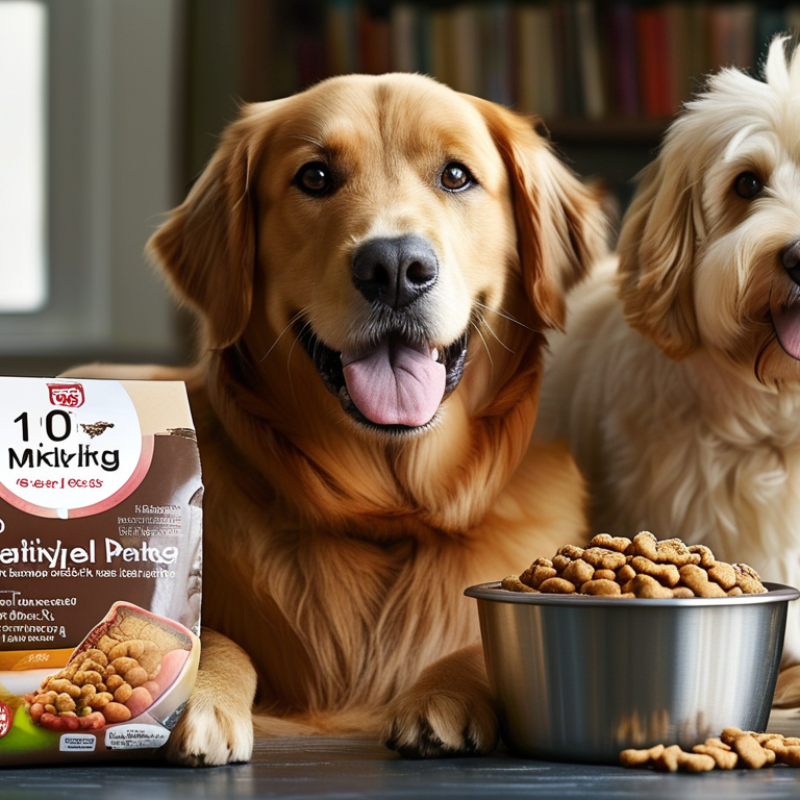
Understanding your dog’s nutritional needs is crucial for choosing the best treats. Dogs require a balanced diet consisting of proteins, fats, carbohydrates, vitamins, and minerals. Each ingredient serves a purpose. Proteins help build muscle, while healthy fats support skin and coat health. Carbohydrates provide energy.
Every dog is unique. Treat preferences can vary significantly. Some dogs love crunchy bites, while others prefer soft chews. Observing your dog’s reactions can guide your selection. Pay attention to how they respond to different textures and flavors. A dog might enjoy chicken-flavored treats but ignore those with beef. Taste testing can be enlightening, though not always perfect.
Treats should be nutritious and enjoyable. Always check ingredient labels. Avoid treats with fillers and artificial additives. Natural ingredients are better for your dog's health. A treat should complement their diet, not substitute meals. Understanding your dog’s needs and preferences can foster a healthier lifestyle, benefitting both body and spirit.
| Tip No. | Tip | Nutritional Aspect | Best For |
|---|---|---|---|
| 1 | Consider your dog's age | Higher protein for puppies, lower for seniors | All ages |
| 2 | Look for whole ingredients | Natural sources of protein, vitamins, and minerals | Health-conscious dogs |
| 3 | Check for added sugars | Avoid excess sugars for dental health | Weight management dogs |
| 4 | Assess allergy concerns | Choose hypoallergenic options if needed | Sensitive dogs |
| 5 | Consider grain-free options | Digestive health support | Dogs with grain sensitivities |
| 6 | Choose treats with beneficial additives | Like probiotics for gut health | All dogs |
| 7 | Watch for appropriate calorie content | Limited calories for treats | Overweight dogs |
| 8 | Consider texture | Soft versus crunchy for different needs | Dental health dogs |
| 9 | Opt for low-fat options | Balanced diet support | All dogs |
| 10 | Consult your vet for recommendations | Tailored advice for specific needs | All dogs |
: Smaller dogs need smaller treats to prevent choking. Larger dogs can have bigger snacks, but portions still matter.
Dogs with allergies require hypoallergenic treats. Weight problems mean avoiding high-calorie options.
Yes, always observe how your dog reacts. Consult a vet if there are concerns about their health.
Not necessarily. Read ingredient labels carefully. Some healthy ingredients may still irritate certain dogs.
Treats reinforce good behavior. They create a positive connection between you and your dog during training.
Small treats are best for training. They can be given quickly without disrupting the session.
If your dog loses interest, consider changing the treats. Their preferences may evolve over time.
Yes, over-treating can cause health issues and reduce interest in training. Be mindful of the quantity.
Regularly evaluate your approach. What works today might not be effective later. Adapt to your dog’s needs.
No, every dog is unique. What works for one dog may not for another. Individual needs are vital.
When considering how to choose the best treats for dogs, it's essential to understand their unique nutritional needs and preferences. Start by evaluating ingredients, paying attention to what to look for—high-quality proteins and natural additives—and what to avoid, such as fillers and artificial preservatives. Moreover, a dog's size and health condition should significantly influence treat choices to ensure they receive appropriate portions without compromising their well-being.
Treats also play a vital role in training, serving as rewards that can enhance obedience and strengthen the bond between you and your dog. Utilizing treats effectively requires strategic timing and moderation. Additionally, staying informed about recent research and recommendations from veterinarians can guide your decisions. By taking these factors into account, you can make informed choices that not only satisfy your dog's taste preferences but also contribute positively to their health and behavior.

 Curon Pet