When it comes to pet care, understanding "what happens if pets eat too many treats" is crucial. Dr. Emily Carter, a veterinary nutritionist, emphasizes, "Overindulgence in treats can lead to serious health issues." Many pet owners may not fully grasp the implications of excessive treats. The risk of obesity, diabetes, and digestive problems heightens with each extra bite.
Pets often beg for more treats, charming their way into extra snacks. It's tempting to give in, but this can create unhealthy habits. Each treat may seem harmless, yet they accumulate in calories. Furthermore, the ingredients in some treats might not be suitable for every pet. Observing daily intake becomes essential for their well-being.
As we navigate the delicate balance of treating our pets, consider their health first. Reflect on your pet's diet and adjust accordingly. While rewards can strengthen bonds, moderation is key. Remember, love can also mean saying no to those puppy eyes.
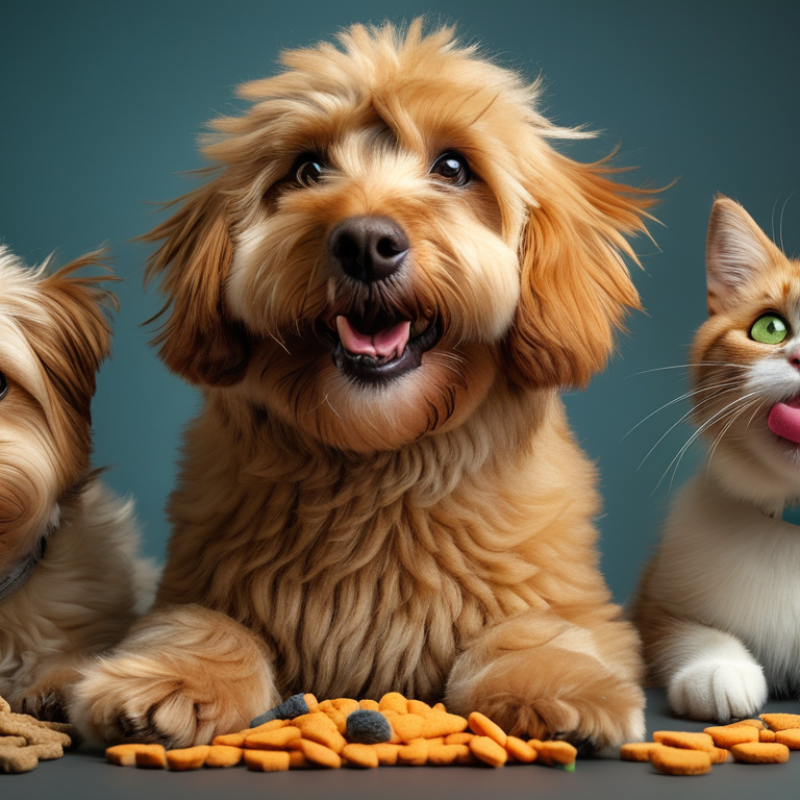
Overindulging pets with treats can lead to
several health risks.
Pets are naturally drawn to tasty snacks, but too much can cause obesity and related issues. For instance, extra weight can lead to
diabetes and joint problems. It's essential to monitor their behavior and weight regularly. Daily treats might seem harmless, but they can add up quickly.
Understanding the risks is crucial for pet owners. Pets often beg for treats, using their cute faces to win us over. However, it’s important to resist this charm. A few extra calories can become a bigger problem. Not all treats are beneficial, so reading labels helps. Some treats are high in sugars and fats. These can harm your pet's health in the long run.
Finding a balance is key. Limiting treats encourages a healthier diet. Consider using small pieces of
fruits or
vegetables as alternatives. They can satisfy your pet's craving without adding extra pounds. Always consult with a vet if unsure about what’s suitable. It's a reminder to maintain our pets' health as a
top priority.
If you notice your pet has become lethargic, it may be a sign of overeating treats. Pets that consume too many goodies might show changes in their behavior or appetite. Excessive treat intake can lead to upset stomachs or even serious health issues. Watch for symptoms like vomiting, diarrhea, or excessive thirst. These signs often indicate that your pet has indulged a bit too much.
Another warning sign is if your pet seems restless or attempts to beg for more food after a meal. If your furry friend is gaining weight quickly, that’s another red flag. Regular weigh-ins can help you monitor their health. Pay attention to their energy levels too; a sudden drop could mean they’ve overeaten. It’s important to reflect on how many treats you’re giving daily. Limiting treats encourages better health and prevents issues related to overeating. Always consult with a veterinarian for advice tailored to your pet’s specific needs.
| Sign | Explanation | Recommended Action |
|---|---|---|
| Vomiting | Excessive treat consumption can irritate the stomach, leading to vomiting. | Monitor your pet and consult a vet if vomiting persists. |
| Diarrhea | Too many treats can disrupt digestion, causing diarrhea. | Provide fresh water and a bland diet; seek vet advice if necessary. |
| Lethargy | High sugar and fat treats can cause energy crashes. | Limit treat intake and encourage regular exercise. |
| Weight Gain | Overeating can lead to obesity and related health issues. | Consult with a vet for a balanced diet plan. |
| Increased Thirst | High sodium content in some treats may cause thirst. | Ensure a constant supply of fresh water. |
Excessive treat consumption in pets can lead to various health issues. Short-term effects might include an upset stomach or digestive problems. Pets may experience vomiting or diarrhea after overeating treats. Long-term, the risks increase significantly. Obesity is a major concern and can lead to serious conditions such as diabetes or joint problems, particularly in older animals.
For pet owners, moderation is crucial. To maintain a healthy balance, limit treats to around 10% of a pet's daily calorie intake. Always choose treats that are specifically formulated for your pet's dietary needs. Sometimes, pets may not need a treat for every trick performed. Instead, consider using praise or playtime as an alternative reward.
Monitoring your pet's weight is essential. Regular weigh-ins can help you track any unexpected gain. If weight issues arise, consult a veterinarian for tailored advice. Adjusting your pet's diet and exercise routine may be necessary. Remember, treats are meant to be enjoyable, not a primary food source.
This chart illustrates the potential health risks associated with excessive treat consumption in pets. The percentages reflect estimated risks for each health issue, helping pet owners understand the importance of treating their pets in moderation.
Managing treat portions for pets is critical to their overall health. According to the Association for Pet Obesity Prevention, over 50% of pets in the U.S. are overweight or obese. This trend can lead to serious health issues, including diabetes, joint problems, and heart disease. Many pet owners underestimate how treats can contribute to daily caloric intake. A single treat may seem harmless, yet frequent indulgence adds up quickly.
One effective strategy is to use treats as rewards but in moderation. Determine your pet's daily caloric needs and plan treat portions accordingly. For instance, if your dog needs 600 calories a day, treats should not exceed 10% of that total—around 60 calories. Involving measure tools, such as small containers or bags, can help control the amount without overthinking.
Regularly monitoring your pet's weight and adjusting treats based on their activity level is important. If weight gain occurs, reflection is needed. It may be time to reconsider treat frequency or type. For instance, opting for healthier options can reduce calorie intake while still rewarding your pet. Engaging with a veterinary professional can also provide personalized advice, ensuring your approach aligns with your pet's needs.
Many pet owners love treating their furry friends. However, an excess of treats can lead to health issues. Weight gain, digestive problems, and behavioral changes are common risks. Recognizing these concerns is essential for pet health. Often, we overlook the impact of overindulgence. It's a reflection of love, but moderation is key.
Choosing healthy treat alternatives can help maintain balance. Consider fresh fruits like apple slices or blueberries. They provide vitamins without excessive calories. Another option is baby carrots, which are crunchy and low in calories. Interestingly, many pets enjoy these options just as much as traditional treats. Homemade treats can also be a fun project. You can create simple recipes using safe ingredients. This approach brings variety and can be healthier.
Being mindful of portion sizes is crucial. Treats should only make up a small part of a pet's diet. Regular exercise paired with healthier treats will benefit your pet. We can all improve in managing treat intake. Reflect on your pet's habits and adjust as needed. Striking a balance ensures that your love for your pet stays healthy.
: Look for lethargy, changes in behavior, or appetite. Vomiting and diarrhea are also common symptoms.
It can lead to health issues like weight gain and upset stomachs. It’s important to monitor treat consumption.
Restlessness, begging for more food, or sudden weight gain are red flags to watch for.
Consult with a veterinarian for tailored advice and limit treats immediately.
Fresh fruits like apple slices and blueberries are nutritious. Baby carrots are low in calories and crunchy.
Yes, making simple recipes with safe ingredients can offer variety and health benefits for your pet.
Treats should be a small part of the diet. Mindful portion control is crucial for keeping your pet healthy.
Regular exercise and healthy treats promote better health. Reflect on your pet's habits and adjust as needed.
In the article titled "What Happens If Pets Eat Too Many Treats: Risks and Solutions," we explore the various implications of overindulging pets with treats. It highlights the risks associated with excessive treat consumption, such as obesity, gastrointestinal issues, and even more serious long-term health problems. Recognizing the signs that indicate your pet has overeaten, such as lethargy or digestive discomfort, is crucial for timely intervention.
To effectively manage treat portions for pets, the article suggests adopting strategies such as measuring treat quantities and establishing a treat-free routine. Additionally, it offers healthy treat alternatives that can satisfy your pet's cravings without leading to overindulgence. Overall, the article serves as a comprehensive guide for pet owners, emphasizing the importance of moderation and the potential consequences of what happens if pets eat too many treats.

Curon Pet