Knowing when to reward pets with treats is crucial for effective training. Dr. Jane Miller, a renowned animal behaviorist, highlights, “Timing is everything in pet training.” When should I reward pets with treats? This question is essential for building good behavior.
Effective rewards positively reinforce desired actions. For example, giving a treat immediately after a sit command helps your dog understand the connection. However, over-rewarding can lead to confusion and entitlement. It’s important to reward selectively. Observe your pet’s behavior closely.
Many pet owners struggle with timing. It’s easy to forget to reward at the right moment. Mistakes happen, and that’s okay. Reflect on your practices. Consider varying rewards based on difficulty. By being mindful, you enhance your pet's learning experience while strengthening your bond.
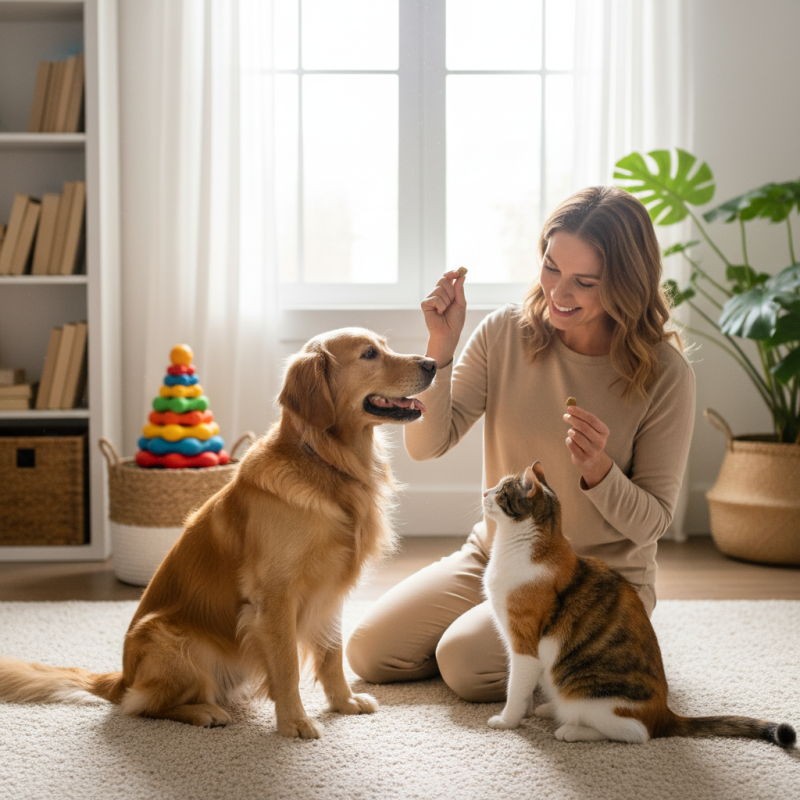
Effective timing is crucial in pet training. Rewarding your pet immediately after they exhibit good behavior reinforces that action. Research shows that pets learn faster when rewards are given promptly. A study by the American Veterinary Society of Animal Behavior indicates that immediate reinforcement can increase the likelihood of repeated behavior by up to 80%.
Using treats strategically can create positive associations. For example, a dog that sits willingly for a treat learns that sitting brings rewards. However, if you delay the treat, the connection becomes blurry. The dog may not relate the behavior to the reward. Experts suggest rewarding your pet within three to five seconds for optimal results.
But it’s not always easy to get timing right. Sometimes, distractions can interfere with rewarding good behavior. In those moments, consider whether the behavior was truly understood or if your attention wavered. Reflecting on such instances can improve your training techniques. Different pets may respond at their own pace, requiring patience. Adapting your approach based on individual progress is key. Training is a journey, and timing is a crucial part of that path.
Identifying good behavior in pets is essential for effective reward strategies. Positive actions might include sitting on command, staying calm during grooming, or even playing gently with other pets. Observing these moments can help build a strong bond between you and your pet. Treats should reinforce these behaviors, making them more likely to happen again.
However, it is crucial to remain consistent in what qualifies as good behavior. If a pet is rewarded randomly, they may get confused. For example, if you reward your dog for sitting today but not tomorrow, the learning process could stall. It's also important to reflect on whether the behavior is genuinely good or just a momentary reaction.
Timing is everything when rewarding your pet. Immediate rewards are most effective. This helps your pet connect the behavior with the treat. But consider this: Are you always paying attention? Environments with distractions can complicate behavior recognition. So, treat yourself to a moment of reflection. Is your pet really behaving well, or is the atmosphere influencing their actions?
When rewarding your pets, choosing the right treat is crucial. Not all treats are created equal. Consider your pet’s dietary restrictions first. Some pets may have allergies or sensitivities. Always read the ingredients carefully. Natural treats are often a safer option. They can provide nutrition in addition to satisfying your pet's desire for something special.
Think about the texture and taste of the treat. Many pets have preferences that may not align with what you think they will enjoy. Experimentation can help you find what excites your pet. A crunchy treat may be more appealing than a soft one, or vice versa. Don’t ignore the potential of homemade treats, which can often be tailored specifically to your pet’s tastes and needs.
Timing is also important. Rewarding immediately after good behavior reinforces the action better. However, over-rewarding can lead to unhealthy habits. Reflection on this balance is essential. Assess your pet's reaction and adapt your strategy if necessary. Ultimately, rewarding pets should be a thoughtful process, enhancing the bond you share.
Establishing a reward schedule is crucial for effective pet training. Rewards can reinforce good behavior, helping pets understand what actions are desirable. Frequency matters; too many treats can lead to dependency. On the other hand, infrequent rewards might confuse them. Balancing these aspects can feel challenging but is essential for success.
Consistency is equally important. Use treats regularly for specific behaviors. For example, when teaching a dog to sit, reward immediately when they comply. This creates a clear link between the action and the reward. However, it’s easy to forget this. Sometimes, owners can unintentionally reward unwanted behaviors by offering treats at the wrong time.
Reflection is key to improving your training techniques. Observe your pet closely. Identify patterns in their responses to rewards. Adjust your strategy based on their reactions. Not every pet responds in the same way. Tailoring your approach ensures a stronger bond and more effective training.
Monitoring your pet’s progress is crucial in rewarding them appropriately. When you observe positive changes in their behavior, it's essential to adjust treat rewards accordingly. For instance, if your dog learns a new command, give a treat immediately. This helps reinforce the desired behavior. The timing of the reward can significantly impact what the pet learns and remembers.
Keeping track of their progress allows you to determine when to scale back or increase treats. If your pet starts to respond consistently, you may not need to reward every time. Instead, offer treats intermittently. This method not only maintains their excitement but also encourages them to stay engaged. Reflecting on your pet’s behavior over time is vital. If your pet seems less responsive, it might be time to reevaluate how and when you offer treats.
Not every moment warrants a reward. Sometimes, rewarding for minor improvements can lead to dependency on treats. Ultimately, monitoring their response helps create a balanced system of rewards. While it may require adjustments, being attentive ensures that the treats contribute to training success.
: The right treat meets your pet's dietary needs and enhances their enjoyment during training.
Consider any dietary restrictions, allergies, and the nutritional value of the treats.
Experiment with different textures, like crunchy versus soft, to see what excites your pet most.
Timing is crucial. Reward immediately after good behavior to reinforce it effectively.
Over-rewarding can lead to unhealthy habits. Finding the right balance is essential.
Yes, monitor progress and adjust treat frequency as your pet learns new commands.
Consistently rewarding specific behaviors helps pets understand expectations better.
It’s easy to do. Reflect on your timing, and adjust to prevent reinforcing bad habits.
If your pet shows consistent behavior, consider rewarding less often to maintain engagement.
Observing your pet’s reactions helps you tailor your approach for better training outcomes.
In "When Should I Reward My Pets with Treats for Best Behavior?", the importance of timing in pet training is emphasized. Understanding when to use treats can greatly enhance the effectiveness of the training process. Pet owners should identify specific behaviors that qualify for rewards, ensuring that treats are given during moments of good behavior to reinforce positive actions.
Selecting the right treats is also crucial; factors such as size, flavor, and nutritional content should be taken into account. Establishing a consistent reward schedule is essential for maintaining training momentum, as well as monitoring your pet's progress to adjust the frequency and type of treats based on improvements. Ultimately, knowing when to reward pets with treats is key to encouraging desired behaviors and fostering a strong bond between pets and their owners.

Curon Pet