Understanding how to read pet treat ingredient labels is crucial for pet owners. Dr. Lisa Smith, a veterinary nutritionist, emphasizes this point: "The ingredient list is the first step in choosing healthy pet treats." Many pet owners overlook this important detail.
Reading labels can be daunting. Ingredients are listed by weight, with the first few items being the most significant. Each component affects your pet's health. Recognizing quality ingredients is key to making informed choices. Look for real meat, vegetables, and whole grains as primary ingredients.
Many treats are marketed as healthy, but not all deliver. Some contain fillers or unhealthy additives. It’s essential to be vigilant. Understanding how to read pet treat ingredient labels empowers you to choose better. Take time to examine these labels closely. Your pet’s health depends on it.
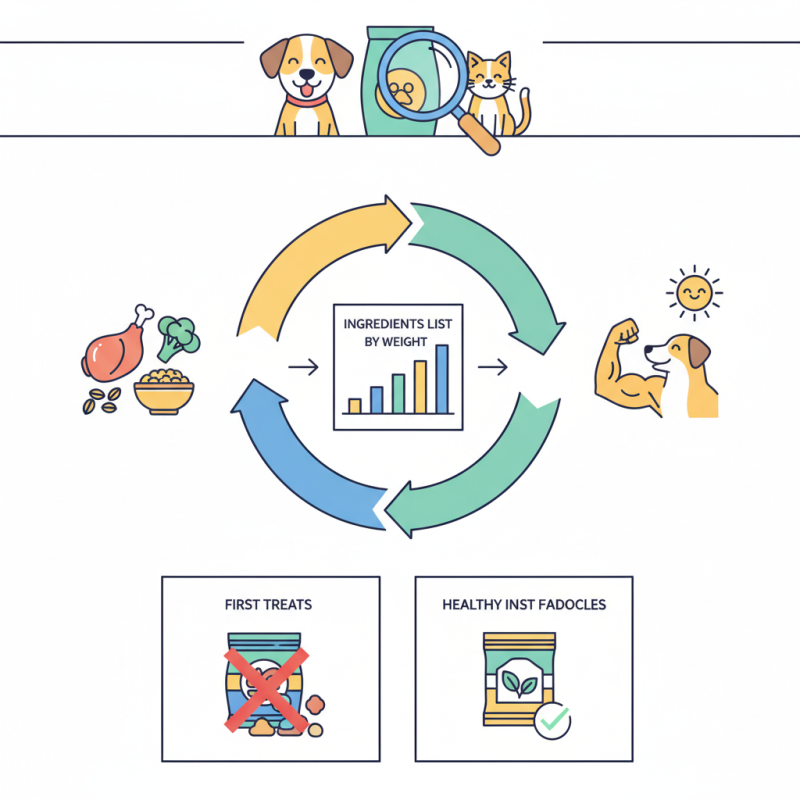
Understanding pet treat ingredient labels is essential for making healthier choices for your pets. Many consumers overlook the importance of transparency in labeling. A 2022 survey by the American Pet Products Association revealed that around 70% of pet owners read ingredient labels carefully. This statistic highlights a growing awareness of nutrition in pet care.
When examining these labels, focus on the first five ingredients, as they represent the core of the product. Aim for meat or a meat meal as the first ingredient, which indicates high protein content. Avoid treats with vague terms like “meat by-products” or artificial additives. According to a study by the Pet Food Institute, up to 50% of pet treats may contain fillers or low-quality ingredients. This can lead to health issues over time, such as obesity and allergies.
Pay attention to nutritional content, especially for treats designed for specific health needs. Ingredients like glucosamine for joint health or omega fatty acids for skin care are valuable. However, over-relying on treats can lead to imbalances in your pet’s diet. A 2021 report indicated that 48% of pet owners give treats often, sometimes neglecting balanced meals. Balancing treats with nutritious food is crucial for a long, happy life.
When choosing pet treats, it's crucial to read the ingredient labels carefully. Look for high-quality protein sources, such as chicken, beef, or fish. These ingredients provide essential nutrients for your pet's health. Avoid vague terms like "meat meal" or "animal by-products", as they may contain lower-quality proteins.
Another important factor is the presence of whole grains or vegetables. Ingredients like brown rice or sweet potatoes are excellent for digestion. They offer fiber and vitamins. Be cautious with grains like corn or soy, which some pets may be allergic to.
Adding treats with natural preservatives can be beneficial too. Ingredients such as mixed tocopherols are safer alternatives to artificial preservatives. Always check for added sugars and fillers; these can lead to weight gain over time. Reflect on these details each time you shop. Your choices can significantly impact your pet's overall health and well-being.
Understanding pet treat ingredient labels can be daunting. Many pet owners struggle to differentiate between healthy ingredients and harmful additives. Research shows that about 60% of pet food products contain artificial ingredients. These can potentially harm your pet in the long run. Common harmful additives include artificial colors and preservatives. They may lead to allergies or digestive issues.
Healthy treats often contain recognizable ingredients. Look for whole meats, vegetables, and grains. Ingredients like chicken meal and sweet potatoes provide essential nutrients. A recent study indicated that pets fed whole-food-based treats showed improved health metrics, such as energy levels and coat condition. However, not all organic labels guarantee safety. Some may still have hidden additives.
Analyzing ingredient lists requires patience and attention. It’s crucial to be skeptical of vague terms like "animal by-products" or "meat meal." These could mask low-quality sources. Check for certifications or quality assurances. High-quality treats often display transparency about their ingredients. By being diligent, you can make informed choices for your pet's health.
When choosing pet treats, ingredient labels can be overwhelming. Understanding these labels is essential for making healthier choices. Look for quality sources of protein. Ingredients are often listed by weight. A high-quality protein should come first. Common examples include chicken, beef, or fish. If a carbohydrate is listed first, it may not be the best option.
Reading between the lines reveals more than just ingredients. Watch for vague terms like “meat meal” or “by-products”. These can indicate lower quality ingredients. It's useful to know that natural preservatives are preferable to synthetic ones. Often, you might notice colorful additives, which offer little nutritional value. They are mainly aesthetic.
Consider seeking treats that minimize artificial flavors. The fewer the ingredients, the better. This simplicity often leads to a healthier option. Always be attentive to your pet's reactions. If a new treat causes upset, it’s worth reconsidering. Label reading is not just a science; it requires intuition. You might be surprised by what you learn.
When selecting treats for your pet, ingredient labels hold crucial information. Look beyond catchy packaging. Focus on the first five ingredients listed. These usually make up most of the product. Ingredients such as real meat, fruits, or vegetables are beneficial. If you see fillers or artificial additives, consider choosing differently. Your pet's health is worth the extra effort.
Nutrition is not one-size-fits-all. Different pets have unique dietary needs. Some may have allergies or sensitivities. In these cases, reading labels becomes even more essential. Learn what to avoid. For example, gluten and certain grains can cause digestive issues in some animals. Educate yourself about common allergens. This will help in making healthy choices.
Regularly review your pet’s diet. Changes in their behavior or health can signal a need for better treats. Trust your instincts; if something seems off, investigate further. Reach out to a veterinarian for professional advice. Engaging with your pet’s diet actively promotes not just their well-being but also a deeper bond between you and your furry friend.
: It helps you distinguish between healthy ingredients and harmful additives, ensuring better health for your pet.
Artificial colors and preservatives are common. They can lead to allergies or digestive issues in pets.
Seek whole meats, vegetables, and grains. Ingredients like chicken and sweet potatoes are beneficial.
Not necessarily. Some organic products may still contain hidden harmful additives.
Be skeptical of vague terms like "animal by-products." Check for quality certifications and transparency in ingredients.
High-quality protein sources should be listed first, such as chicken, beef, or fish, rather than carbohydrates.
Yes, natural preservatives are preferable as they are less likely to harm your pet.
Monitor your pet’s reactions closely. If they show signs of upset, reconsider the treat choice.
Generally, yes. Fewer ingredients often mean a simpler and healthier option for your pet.
Sometimes, your gut feeling about a product can reveal discrepancies between your expectations and what you read.
In the quest for healthier pet treat options, understanding how to read pet treat ingredient labels is essential. A comprehensive guide highlights key components to look for in pet treats, helping owners differentiate between healthy ingredients and harmful additives. By focusing on whole food sources and natural preservatives, pet owners can make informed choices that enhance their furry friend’s diet.
Deciphering the ingredients list is crucial, as it reveals the treat's nutritional value and safety. Owners should pay attention to ingredient placement, as the first few ingredients often represent the primary components. By learning to analyze pet treat labels effectively, owners can confidently select treats that contribute positively to their pet's overall health and well-being.

Curon Pet