When it comes to maintaining the freshness and safety of pet treats, proper storage is essential. Dr. Lisa Harmon, a pet nutrition expert, emphasizes, "Storing treats correctly can greatly extend their shelf life." Her insight highlights the importance of understanding how to store pet treats properly to ensure your furry friends enjoy nutritious snacks.
Choosing the right storage method can be confusing. Many pet owners might overlook details like humidity and temperature. Treats should be kept in a cool, dry place, away from direct sunlight. Using airtight containers can also make a significant difference. Glass or plastic containers are often recommended to prevent moisture from spoiling the treats.
It’s essential to monitor the treats regularly. Be mindful of expiration dates and signs of spoilage. Smell and texture can indicate whether the treats are still safe. Remember, when it comes to the health of your pets, it’s better to be cautious. Storing pet treats properly not only preserves their quality but also safeguards your pet’s well-being.
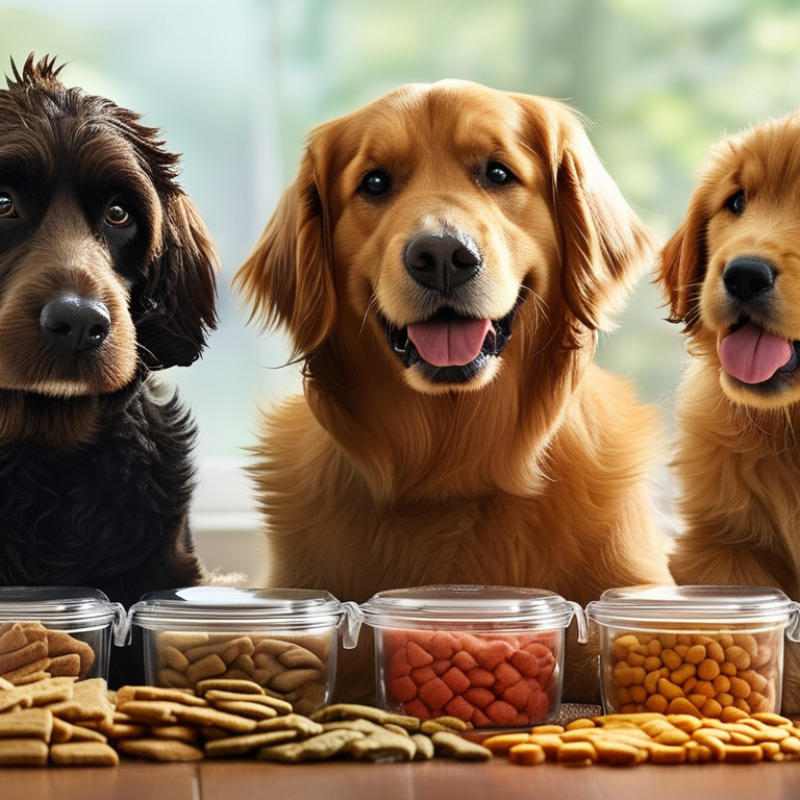
Proper storage of pet treats is crucial for maintaining their freshness and safety. According to a recent report from the American Veterinary Medical Association, nearly 30% of pet owners unknowingly feed their pets expired treat products. This can lead to digestive issues and other health risks. Treats, particularly those made with natural ingredients, have a shorter shelf life and are prone to spoilage if not stored correctly.
Using airtight containers can significantly enhance the longevity of pet treats. A study from the Journal of Animal Nutrition found that treats stored in airtight conditions retained their quality for up to three months longer than those exposed to air. Temperature is also a critical factor; treats should be kept in a cool, dry environment to prevent mold growth. However, many pet owners overlook this simple step, often leaving treats in warm areas like kitchen counters.
It's essential to regularly check the expiration dates and appearance of pet treats. Some may develop a rancid smell or change in texture when they are past their prime. Despite being aware of these risks, many pet owners still store treats carelessly. Reflecting on these practices can help improve pet care and ensure healthier, happier companions.
| Storage Method | Recommended Environment | Shelf Life | Tips for Freshness | Safety Precautions |
|---|---|---|---|---|
| Airtight Containers | Cool, Dry Place | 6-12 Months | Keep lid closed when not in use | Store away from direct sunlight |
| Refrigeration | Refrigerator | Up to 2 Months | Use a designated pet food container | Check for spoilage before use |
| Freezing | Freezer | 6-12 Months | Label with date and type | Thaw only the portion needed |
| Vacuum Sealing | Cool, Dry Place | 12-24 Months | Remove all air before sealing | Ensure the seal is intact |
When it comes to storing pet treats, understanding their types is essential. Different treats have varying storage needs. For instance, dry kibble or biscuit treats are best stored in a cool, dry place. They should be kept in airtight containers to maintain their crispness. On the other hand, softer treats with moisture content, like jerky, require refrigeration after opening. This helps prevent spoilage and keeps them safe for pets.
**Tips:** Always check treat labels for specific storage instructions. Some treats may have unique requirements. Additionally, keep treats away from direct sunlight and humidity to extend shelf life. If you notice any changes in smell or texture, it's best to discard the treats. Regularly cleaning the containers is key. It avoids bacterial growth.
Meat-based treats can be trickier. They often contain preservatives but can still spoil. A freezer can extend their freshness, but only if sealed properly. Beware of thawing and refreezing, as this might affect quality. Consistently monitoring your pet’s treats can prevent health risks and wastage.
Proper storage of pet treats is essential for maintaining freshness and safety. Ideal conditions include specific temperature, humidity, and light levels. Studies indicate that treats should be stored in a cool, dry place, ideally between 50°F and 70°F. High temperatures can lead to spoilage, while excessive moisture may cause mold growth. A surprising fact from the Veterinary Journal reports that nearly 30% of pet owners unknowingly store treats under unsuitable conditions.
Humidity levels should remain below 60%. Too much humidity can compromise the quality of treats, making them unpalatable for pets. Using airtight containers can help control moisture. Interestingly, light exposure also plays a significant role in storage. Treats can degrade when exposed to direct sunlight. A report from the Journal of Animal Nutrition highlights that light can affect the nutritional value of ingredients over time.
It's crucial to regularly inspect stored treats for signs of spoilage. Even with proper guidelines, some owners may overlook subtle changes in texture or smell. This vigilance can make a difference in ensuring pets receive safe and delicious treats. Balancing these factors may not always be easy, but it is vital for your pet's health and enjoyment.
When it comes to storing pet treats, choosing the right container is essential. A study by the Association for Pet Obesity Prevention indicates that more than 50% of pets are overweight due to improper diet management, including treat storage. Using airtight containers can significantly limit exposure to moisture and air, which often lead to spoilage. Opt for BPA-free plastic or glass containers with tight-sealing lids. These materials help preserve freshness by reducing the risk of odors and contamination.
Always keep the storage area cool and dry; many pet owners overlook this aspect. An ideal environment can enhance longevity. A survey showed that 60% of pet owners store treats on kitchen counters, which can expose them to heat and humidity. Instead, consider a designated spot in a pantry or cabinet. Labeling containers with the purchase date helps track freshness. Although it may feel excessive, this practice ensures treats remain safe for consumption.
Some pet owners might find routine monitoring a hassle. However, it’s worth the effort to avoid giving expired treats. Treats can lose nutrients over time. A study from the Pet Food Institute revealed that 45% of pet owners are unaware of this fact. Regularly check for signs of spoilage, and don't hesitate to discard any questionable items. Small steps make a big difference in your pet’s health.
Pet treats can spoil just like human food. It’s essential to know the signs of spoilage to keep your furry friend safe. Look for color changes or a rancid smell; these are clear signs that treats are no longer fresh. According to a report from the American Veterinary Medical Association, stale or expired treats can lead to digestive issues in pets.
When storing pet treats, it’s vital to choose the right container. Use airtight, opaque containers to maintain freshness. Keep treats in a cool, dark place. Heat and light can accelerate spoilage. Remember, moisture is harmful; it can cause mold growth. If treats feel soft or slimy, discard them immediately.
Tips: Always check the expiration date. Familiarize yourself with the proper storage practices to enhance your pet’s diet. A good practice is to buy treats in smaller quantities. This way, you can ensure they remain fresh until consumed. Your pet’s health depends on the quality of treats you provide.
: Keep them in a cool, dry place in airtight containers to maintain crispness.
Refrigerate them to prevent spoilage and keep them safe for your pet.
Store them in the freezer, but make sure they are sealed properly to avoid refreezing issues.
Treats should be stored between 50°F and 70°F. High temperatures may cause spoilage.
Humidity should remain below 60% to prevent mold growth and maintain treat quality.
Direct sunlight can degrade treats and affect their nutritional value over time.
Choose BPA-free plastic or glass containers with tight-sealing lids to preserve freshness.
Regularly check for spoilage signs; changes in texture or smell may indicate they are no longer safe.
Discard any treats that have changes. It's better to be safe than risk your pet's health.
Yes, labeling helps track freshness and ensures your pet only gets safe treats.
Properly storing pet treats is essential for maintaining their freshness and safety. Understanding the unique storage requirements for different types of pet treats can help prevent spoilage and ensure your pets enjoy their snacks. Ideal storage conditions, including temperature, humidity, and light exposure, play a crucial role in extending the shelf life of these treats.
To keep pet treats fresh, it’s important to use appropriate storage containers that are airtight and designed to minimize exposure to air and moisture. Additionally, pet owners should be aware of signs of spoilage, such as changes in smell, color, or texture. By following these guidelines on how to store pet treats properly, pet owners can ensure their furry friends receive only the best and safest treats.

Curon Pet