Are Pet Treats Healthy or Harmful for Your Furry Friends?

Time:2026-05-03 Author:Sienna
0%

When it comes to our furry friends, the question often arises: are pet treats healthy or harmful? This dilemma is significant for pet owners who want the best for their companions. Treats can be a source of joy for our pets, but the health implications can be complex.

Many pet treats are marketed as beneficial, but the reality is often different. Ingredients can vary widely, with some treats packed with fillers and artificial additives. These can lead to digestive issues or longer-term health problems. Responsible pet owners must carefully consider what they are feeding their pets.

Furthermore, the lack of regulation in the pet food industry raises concerns about safety. Some products may contain harmful substances without proper labeling. This uncertainty leaves pet owners questioning, "are pet treats healthy or harmful?" Ultimately, informed choices are vital. Researching ingredients and consulting veterinarians can guide pet owners toward healthier options. Balancing enjoyment and nutrition is crucial for the well-being of our furry companions.
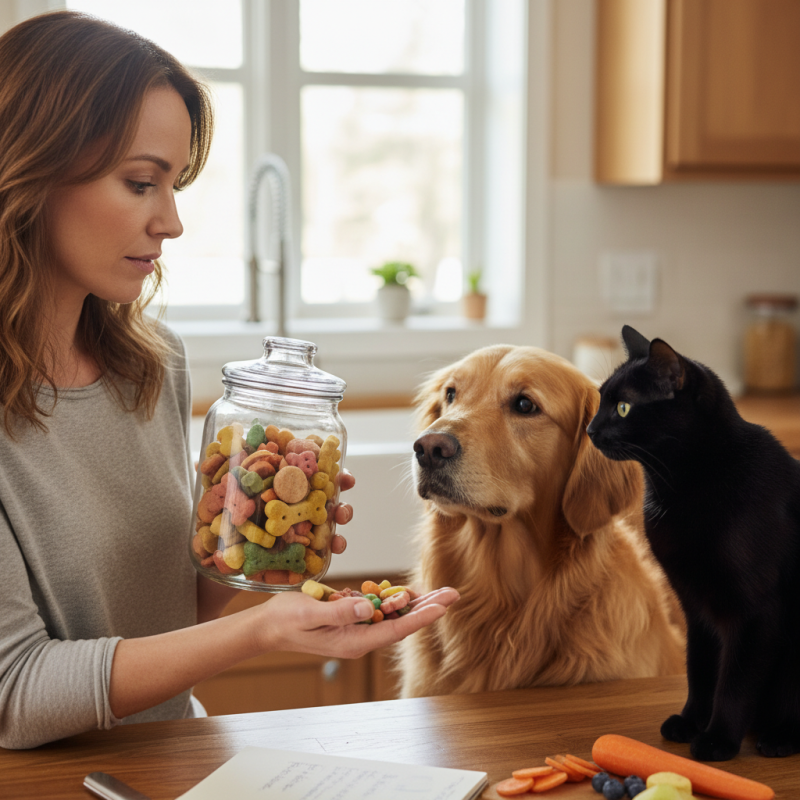
Are Pet Treats Healthy or Harmful for Your Furry Friends?

Types of Pet Treats: Natural vs. Processed Options

Pet treats can be a delightful addition to a pet's diet. However, choosing the right type is crucial. There are two main categories: natural and processed options. Natural treats, such as freeze-dried meat or fruits, are often recommended. They typically contain fewer additives and preservatives. According to a 2022 report from the Pet Food Institute, natural treats can lead to better health outcomes for pets, promoting healthier skin and coats.

On the other hand, processed treats often contain artificial flavors, colors, and fillers. A study published in the Journal of Animal Nutrition found that over 30% of processed pet treats lack nutritional value. Some may even contain ingredients that could lead to obesity or other health issues. Many pet owners may not realize that a majority of these treats are high in calories and low in essential nutrients.

Pet owners should consider these factors carefully. While treats can be beneficial for training and bonding, it's important to choose wisely. Balance is key. Offering occasional natural treats can support your pet's health. However, frequent use of processed options might require a reassessment. The best approach is to discuss your pet's dietary needs with a veterinarian.

Are Pet Treats Healthy or Harmful for Your Furry Friends?

Type of Treat Health Benefits Potential Risks Examples
Natural Treats Rich in nutrients, promotes dental health Allergies, calorie overload Carrots, Apples, Chicken Jerky
Processed Treats Convenient, often fortified with vitamins High in preservatives, potential for obesity Commercial Dog Biscuits, Chew Toys
Homemade Treats Customizable ingredients, no preservatives Preparation time, possible ingredient-binding issues Peanut Butter Biscuits, Pumpkin Bites
Dental Chews Promotes oral health, reduces plaque Too hard, leading to broken teeth Dental Nubs, Chew Sticks

Nutritional Benefits of Pet Treats for Dogs and Cats

Pet treats can offer significant nutritional benefits for both dogs and cats. Many treats contain essential vitamins and minerals that support overall health. For example, treats rich in omega-3 fatty acids promote a shiny coat and healthy skin. These ingredients help improve mobility in older pets. Some treats are even formulated to support dental health, helping to reduce plaque and tartar buildup.

However, not all pet treats are created equal. It’s crucial to read ingredient labels carefully. Some treats may be high in calories and low in nutrition. Feeding excessive amounts can lead to obesity. A small bite-sized treat can be beneficial, but moderation is key. It’s important to consider your pet's specific dietary needs and consult a veterinarian if unsure.

Many pet owners do not realize that some natural ingredients can be harmful. Ingredients such as chocolate or certain nuts can pose serious health risks. It’s essential to know which foods are safe for your pet. Incorporating healthy, balanced treats into your pet's diet can enhance their quality of life when done correctly. Strive for quality over quantity when choosing pet treats.

Potential Health Risks Associated with Pet Treats

Pet treats can be a convenient way to reward our furry friends. However, their health implications are worth discussing. A recent study highlighted that nearly 25% of pet owners may unknowingly choose treats with unhealthy additives. Many commercial treats contain high levels of sugars and preservatives that may contribute to obesity and metabolic disorders.


Research from the American Veterinary Medical Association reveals that around 15% of pets suffer from obesity, which can be exacerbated by excessive treat consumption. Ingredients like artificial flavors and colors are frequently used in these products. These components can lead to allergic reactions and gastrointestinal issues. Moreover, some treats, especially those made overseas, may not meet safety standards, posing contamination risks.


It is essential to consider natural alternatives. Whole foods, like carrots or apples, can be healthier choices, providing essential nutrients. Yet, it’s crucial to remember that moderation is key. Many pet owners still struggle with managing their pet's treat intake, often out of love. Balancing treats with a pet's overall diet can be challenging, but it’s an aspect that needs attention.

How to Choose Safe and Healthy Treats for Your Pet

Choosing safe and healthy treats for your pet can be challenging. According to the Association for Pet Obesity Prevention, around 60% of pets in the U.S. are overweight or obese. This condition often stems from overindulgence in unhealthy treats. Therefore, it is crucial to scrutinize the ingredients in any treat you consider. Look for natural ingredients that promote health. Protein sources like chicken or fish should be prioritized.

Research from the Veterinary Nutritionist Association suggests that pet treats should comprise less than 10% of your pet's daily calorie intake. Ideally, treats should not contain artificial additives or excessive sugars. Instead, select options that include healthy vegetables or fruits. Items such as sweet potatoes and blueberries are not only low in calories but also provide necessary vitamins.

Reflect on your pet's specific needs. For instance, older pets may require softer treats that are easier to chew. Conversely, active dogs might benefit from protein-rich snacks for energy. Pay attention to how your pet reacts after eating new treats. Any signs of discomfort or allergic reactions should prompt further scrutiny. Each pet is unique, making it vital to personalize their diet accordingly.

Homemade Treat Recipes for Health-Conscious Pet Owners

When it comes to pet treats, homemade options are often healthier than store-bought ones. A study from the Association of American Feed Control Officials (AAFCO) found that many commercial treats are high in calories and additives. This can lead to obesity and digestive issues in pets. By making treats at home, you control the ingredients, ensuring their safety and nutrition.

Consider simple recipes like pumpkin and oat biscuits. Combine pure pumpkin puree with rolled oats. Shape the mixture into small bites and bake until golden. Dogs love the taste, plus pumpkin is excellent for digestion. You can also blend protein sources like chicken or fish with veggies for variety.

Tip: Use ingredients that are fresh and organic when possible. Avoid artificial flavors and preservatives to maintain your pet's health. Watch your pet's reaction to new treats. This will help you refine the recipes. Reflect on their preferences and adjust accordingly for a happier furry friend.

FAQS

: What are pet treats and why are they important?

: Pet treats are snacks added to a pet's diet. They can support training and bonding.

What are the two main types of pet treats?

There are natural and processed pet treats. Each has different ingredients and health impacts.

Why are natural treats often recommended?

Natural treats, like freeze-dried meat, usually have fewer additives. They promote better health outcomes.

What are the risks of processed pet treats?

Processed treats may contain artificial ingredients. Many lack nutritional value and can lead to obesity.

How do treats contribute to a pet's nutrition?

Some treats provide essential vitamins and minerals. They can improve skin health and mobility in older pets.

Is moderation important when giving treats?

Yes, moderation is crucial. Excessive treats can lead to obesity and other health issues.

What should pet owners check before buying treats?

Read ingredient labels carefully. Watch for high-calorie and low-nutrition items.

Can some natural ingredients be harmful to pets?

Yes, some natural foods can be dangerous. Chocolate and certain nuts can pose serious risks.

What is the best approach to choosing pet treats?

Consult a veterinarian for dietary needs. Focus on quality ingredients for better health benefits.

How can treats enhance a pet's quality of life?

Balanced, healthy treats can improve overall health. Choose wisely to ensure your pet's well-being.

Conclusion

The article "Are Pet Treats Healthy or Harmful for Your Furry Friends?" explores the complex world of pet treats, focusing on the distinctions between natural and processed options. It highlights the nutritional benefits that appropriately chosen treats can provide for both dogs and cats, offering essential nutrients and positive reinforcement during training. However, the article also emphasizes the potential health risks associated with certain treats, such as excessive calories, artificial additives, and allergens.

When selecting treats for pets, it is crucial to prioritize safety and health. The article advises pet owners on how to choose nutritious and safe options while also providing homemade treat recipes for those looking to ensure their furry friends receive wholesome snacks. By understanding the various types of treats and their implications on pet health, owners can better answer the question: are pet treats healthy or harmful?

Sienna

Sienna

Sienna is a skilled marketing professional with a deep expertise in our company’s core products and services. With a passion for innovation and detail, she plays a pivotal role in crafting insightful blog posts that not only highlight the unique features of our offerings but also provide valuable......