Top 10 Ingredients to Avoid in Pet Treats for Safety?

Time:2026-08-06 Author:Sienna
0%

When it comes to keeping our pets healthy, the right diet is crucial. Often, we overlook the ingredients in pet treats. It's essential to ask, "what ingredients should I avoid in pet treats?" Some ingredients can harm your pet more than you might realize.

Many commercial pet treats contain harmful additives. These may include artificial colors, high sugars, and preservatives. Even ingredients that seem harmless can cause long-term health issues. Reading labels is not just a suggestion; it's necessary.

Being aware of harmful ingredients is a vital part of pet ownership. It shows responsibility and love for our furry friends. The more you know, the better choices you can make. Take time to research and ensure your pet's treats are safe and nutritious. The effort is worth it for their well-being.
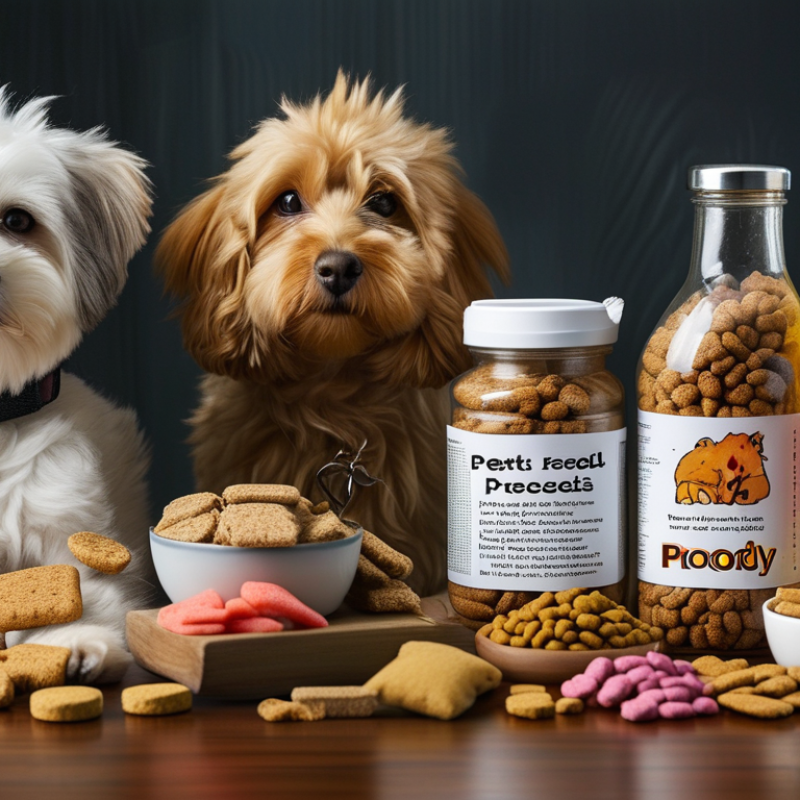
Top 10 Ingredients to Avoid in Pet Treats for Safety?

Common Harmful Additives Found in Pet Treats

When choosing pet treats, not all ingredients are safe. Many harmful additives lurk in popular brands. These can cause serious health issues. Pet owners must be vigilant and aware.

Common harmful ingredients include artificial preservatives. These can lead to allergic reactions or worse. Some treats contain sugar or high-fructose corn syrup. These additives may result in obesity and diabetes in pets. Additionally, certain food colorings pose risks. They have been linked to hyperactivity in pets. Always check the label for synthetic flavors. These can disrupt your pet’s digestive system.

Natural ingredients are always a safer option. However, even natural additives like garlic can be toxic in high amounts. Be cautious with treats claiming to be "natural." Not everything labeled as organic is genuinely safe. Research is vital. Always consult a veterinarian before introducing new treats. Your pet's safety is paramount, and knowledge is your best defense.

Top 10 Ingredients to Avoid in Pet Treats for Safety

The Dangers of Artificial Preservatives for Pets

Artificial preservatives are common in many pet treats. These additives extend shelf life but can pose serious health risks. Pets have sensitive systems. Ethoxyquin, BHA, and BHT are often used. They may lead to various health issues, including allergies and long-term organ damage.

Preservatives can be tricky. Some pets react differently. A treat that seems harmless could cause severe reactions. For example, a dog may develop skin issues. Cats might face digestive problems from the same ingredients. This inconsistency makes it essential to read labels carefully.

Natural alternatives exist. Many dog and cat owners choose treats without these chemicals. Fresh ingredients are preferable and beneficial. However, it’s crucial to check for other harmful additives while seeking natural options. Not all natural claims are trustworthy. Stay informed and prioritize your pet's health.

Top 10 Ingredients to Avoid in Pet Treats for Safety

Ingredient Description Dangers to Pets
Artificial Preservatives Chemicals used to prolong shelf life Could lead to allergies and liver damage
Propylene Glycol A synthetic food additive May cause digestive issues and intoxication
BHT (Butylated Hydroxytoluene) An antioxidant used to preserve fats Potentially carcinogenic effects
BHA (Butylated Hydroxyanisole) Another preservative for fats Can cause allergies and other health problems
Food Colorings Artificial colors added for appearance May trigger hyperactivity and allergies
Corn Syrup Sugary syrup from corn Can lead to obesity and diabetes
Sodium Nitrite Preservative for meats Linked to cancer in pets
Ethoxyquin Chemical used to preserve fats May cause organ damage
Rendered Animal Fats Fats from processed animals Risk of contamination and diseases
By-products Leftover parts from meat processing Increased risk of exposure to toxins

Understanding Fillers and By-Products in Pet Treats

When choosing pet treats, understanding fillers and by-products is crucial. These ingredients often serve as cheaper alternatives to high-quality components. Many manufacturers use them to lower production costs, which can compromise pet health. Pet owners must be cautious about how these items affect their pets' nutrition and overall well-being.

Fillers like corn, soy, and wheat are common. They offer minimal nutritional value but are abundant in most treat formulas. By-products can also pose risks. They are made from parts of animals not typically consumed, such as feathers or hooves. While not harmful in small amounts, the quality can vary significantly. Transparency from manufacturers is often lacking.

Reading labels is essential. Look for clear descriptions of ingredients and avoid vague terms. Even the most appealing packaging can hide potentially harmful contents. Prioritize whole, recognizable ingredients for your pets. They deserve treats that enhance their health, not compromise it. As a responsible pet owner, your choices matter significantly.

Identifying Toxic Ingredients: Xylitol and Chocolate

Xylitol and chocolate are two common ingredients found in many pet treats, and they pose serious risks to pets. Xylitol, a sugar substitute, can cause insulin release in dogs. This can lead to hypoglycemia, seizures, or even liver failure. The Pet Poison Helpline reported that xylitol ingestion in pets is a growing concern, with a significant increase in cases every year.

Chocolate contains theobromine, which is toxic to both dogs and cats. Even small amounts can lead to vomiting, diarrhea, and in severe cases, death. According to the ASPCA, chocolate poisoning accounts for numerous emergency calls each year. Dark chocolate is particularly harmful, as it has higher levels of theobromine than milk chocolate. Pet owners often mistakenly believe that a small piece won't harm their pet, but the consequences can be dire.

Understanding these dangers is crucial. Many pet treat manufacturers do not clearly label harmful ingredients. Owners must become vigilant readers of ingredient lists. There is a need for more education on what constitutes a safe treat for pets. Awareness is key to preventing these toxic exposures. Your pet's safety may depend on your knowledge of these toxic ingredients.

Safe Alternatives to Avoid Harmful Ingredients in Treats

Pet treats can be a source of joy for our furry friends, but not all ingredients deliver that happiness. Many commercial treats contain harmful additives. For instance, artificial colors and preservatives often pose health risks. A study by the Pet Food Institute found that many pet owners are unaware of these dangers. Thus, educating ourselves about safe alternatives becomes essential.

Instead of synthetic ingredients, consider natural options. Ingredients like sweet potatoes, apples, and carrots are nutritious and safe. According to the American Kennel Club, these whole foods provide essential vitamins. They are easy to digest and lower the risk of allergies. Homemade treats can ensure quality, allowing you to know exactly what your pet consumes.

Moreover, grain-free ingredients like quinoa and chickpeas can support dogs with sensitive stomachs. PetMD reports a rise in dietary sensitivities among pets, and choosing the right ingredients can help mitigate these issues. By focusing on wholesome, unprocessed foods, you can enhance your pet's overall health and happiness.

FAQS

: What are common harmful additives in pet treats?

: Harmful additives include artificial preservatives, sugar, high-fructose corn syrup, and certain food colorings.

Why are artificial preservatives dangerous for pets?

They can lead to allergies and long-term organ damage. Pets' systems are sensitive to such ingredients.

How can sugar affect pets?

Sugar and high-fructose corn syrup can cause obesity and diabetes in pets over time.

Are all natural ingredients safe for pets?

Not always. Ingredients like garlic can be toxic in large amounts, despite being natural.

What should I do before trying new pet treats?

Consult your veterinarian to ensure the treats are safe for your pet.

How can I identify harmful ingredients in pet treats?

Always read labels closely, looking for artificial preservatives, synthetic flavors, and sugars.

Can a single harmful ingredient cause severe reactions in pets?

Yes, pets may react unpredictably to specific ingredients, causing skin or digestive issues.

Are "natural" treats truly safe?

Not necessarily. Some treats labeled as "natural" may still contain harmful additives or chemicals.

Why is research important when choosing pet treats?

Many claims can be misleading, and informed choices are crucial for your pet’s well-being.

What happens if I ignore harmful additives in treats?

Doing so may risk your pet’s health, leading to serious, sometimes long-lasting effects.

Conclusion

When considering what ingredients should I avoid in pet treats, it's essential to be aware of several common harmful additives. Artificial preservatives can pose serious health risks to pets, potentially leading to long-term health problems. Additionally, many treats contain fillers and by-products that offer little nutritional value and may even be harmful.

Particularly dangerous ingredients include xylitol, which is toxic to dogs, and chocolate, known for its serious effects on both dogs and cats. To ensure the safety of your pet, it's crucial to identify and steer clear of these harmful components. Instead, consider safe alternatives that prioritize your pet's health and well-being, providing them with nutritious and beneficial treats.

Sienna

Sienna

Sienna is a skilled marketing professional with a deep expertise in our company’s core products and services. With a passion for innovation and detail, she plays a pivotal role in crafting insightful blog posts that not only highlight the unique features of our offerings but also provide valuable......