As pet owners, ensuring our furry friends’ safety is paramount. A pivotal aspect of this is understanding what ingredients should I avoid in pet treats. According to a recent report by the American Pet Products Association, over 70% of pet owners are increasingly concerned about the quality of pet food and treats. However, many still overlook harmful ingredients lurking in these products.
Dr. Lisa Freeman, a renowned veterinary nutritionist, emphasizes the importance of ingredient transparency. She states, "Many pet treats contain fillers and artificial additives that can harm your pet's health." Knowing what ingredients should I avoid in pet treats can prevent serious health issues. Common harmful ingredients include artificial preservatives like BHT and BHA, as well as certain sugars. These can lead to allergies, obesity, and even chronic illnesses.
Vigilance and education are key. Researching ingredients is not just an option; it’s a necessity. Many pet owners often rely solely on packaging claims, which can be misleading. It’s crucial to look beyond marketing and understand the real impact of treat ingredients on pet health. Making informed choices can significantly improve the well-being of our pets.
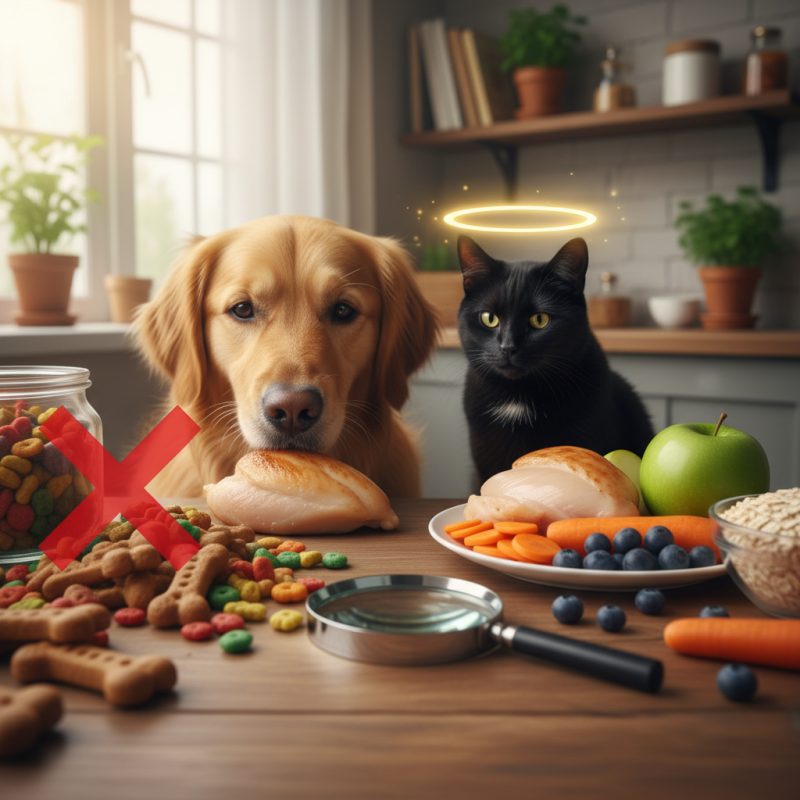
Understanding the Importance of Ingredient Safety in Pet Treats
When choosing pet treats, ingredient safety should be a top priority.
Many pet owners are unaware of the harmful ingredients that can lurk in their furry friends' snacks. Understanding these dangers is essential for maintaining their health and well-being.
Common problematic ingredients include:
artificial preservatives, fillers, and low-quality meats. Pet treats should prioritize high-quality, natural components that provide nutritional benefits.
Tips for selecting safe treats include reading labels carefully. Look for whole ingredients like real meat, grains, and vegetables. Avoid treats with long lists of chemicals or unrecognizable terms. Compare different products and be vigilant about sourcing.
Researching a brand's sourcing and manufacturing practices can reveal valuable information about their ingredient choices.
Another consideration is your pet's unique dietary needs. A treat that's safe for one pet may not suit another. For instance, some pets may have allergies to specific ingredients. Being aware of these sensitivities can help you make better choices.
It’s vital to consult with a veterinarian regarding the best treats for your pet. They can provide personalized recommendations based on your pet's health profile.
Common Harmful Ingredients Found in Commercial Pet Treats
When selecting pet treats, it’s crucial to scrutinize the ingredient list. Many commercial options hide harmful substances. One of the biggest culprits is artificial preservatives. These additives, like BHA and BHT, can lead to health issues over time.
Another concern is high sugar content. Some treats contain excessive amounts of sugar, leading to obesity and dental issues in pets. Additionally, certain fillers like corn and soy offer little nutritional value. They may lead to allergies and don’t promote overall health.
Lastly, be wary of certain meats. Treats labeled as “meat by-products” can include low-quality or unregulated ingredients. This raises questions about safety and nutritional adequacy. Pets deserve better, and understanding these ingredients is a critical step in keeping them healthy.
Health Risks Associated with Artificial Preservatives and Fillers
When choosing pet treats, it’s vital to be cautious about harmful ingredients. Many contain artificial preservatives and fillers that can jeopardize your pet's health. These substances may lead to digestive problems, allergies, or long-term health issues. For instance, common preservatives like BHA and BHT are linked to organ damage in humans and may pose similar risks to pets.
Tips: Always read ingredient labels before purchasing. Look for natural preservatives like vitamin E or rosemary extract. Avoid treats loaded with fillers such as corn or soy, which offer little to no nutritional benefit and can lead to weight gain.
The presence of artificial colors and flavors should also raise red flags. These additives can trigger allergic reactions in sensitive pets. It’s not uncommon for pets to experience skin irritations or gastrointestinal distress from these ingredients. Being informed can empower you and help ensure your pet leads a healthy life.
Tips: Opt for treats made with whole foods. Ingredients should be recognizable and beneficial. Don’t hesitate to consult with a veterinarian for recommendations. Staying vigilant about what you feed your pet will ultimately promote their well-being.
Avoid These Harmful Ingredients in Pet Treats for Safety
This chart highlights the health risks associated with common harmful ingredients found in pet treats. High levels of artificial preservatives and fillers pose significant risks to pet health, making it essential to avoid products containing these ingredients.
Identifying Safe Alternatives for Homemade Pet Treats
When it comes to homemade pet treats, choosing safe ingredients is crucial. Many commercial treats contain harmful additives. By making your own, you can ensure your pet enjoys tasty and healthy snacks.
Using simple, whole ingredients is a great start. Consider oats, pumpkin, or sweet potatoes. These provide nutrients and flavor without the risks. Avoid common allergens like wheat or artificial preservatives which can harm your pet's health.
Tips for creating safe treats include measuring ingredients carefully. Too much of even a healthy ingredient can upset your pet's stomach. Experiment with flavors your pet loves. Monitor how they react to new treats. This way, you can find what keeps their tails wagging. Customizing treats ensures a fun experience for both of you.
Avoid These Harmful Ingredients in Pet Treats for Safety? - Identifying Safe Alternatives for Homemade Pet Treats
| Harmful Ingredients |
Potential Risks |
Safe Alternatives |
Nutritional Benefits |
| Artificial Sweeteners (e.g., Xylitol) |
Can cause hypoglycemia and liver failure |
Honey |
Natural energy source, rich in antioxidants |
| Preservatives (e.g., BHA, BHT) |
Suspected carcinogens, may lead to liver damage |
Fresh fruits and vegetables |
High in fiber and vitamins |
| Corn Syrup |
Can lead to obesity and diabetes |
Peanut butter (unsweetened) |
Good source of protein and healthy fats |
| Meat By-Products |
May contain low-quality meat substances |
Lean, cooked meats |
High in protein and essential amino acids |
| Artificial Colors and Flavors |
May cause allergic reactions and hyperactivity |
Natural herbs and spices (e.g., turmeric, parsley) |
Anti-inflammatory properties, enhances flavor |
Guidelines for Reading Labels on Pet Treat Packaging
When selecting pet treats, reading labels is essential. Many ingredients can be harmful. Look for terms you don’t recognize. Do they sound artificial? If so, they probably are. Natural ingredients are often safer. Opt for whole foods, like fruits and vegetables. They provide better nourishment for your pets.
Avoid treats with excessive preservatives. These can lead to health issues over time. Check for added sugars or artificial colors. These ingredients add no nutritional value and can be harmful. Remember, if a treat sounds too good to be true, it often is. Transparency in labeling is key.
Don’t forget about allergies! Some pets may react to common ingredients. Know your pet's sensitivities. Reading labels carefully can prevent unwanted illnesses. If a label lists vague terms like "meat by-products," be cautious. Aim for treats with clear, well-defined components. Keeping your pets safe starts with informed choices.
Conclusion
When considering pet treats, it's crucial to prioritize ingredient safety. Pet owners often ask, "what ingredients should I avoid in pet treats?" Common harmful ingredients found in commercial options include artificial preservatives, fillers, and other additives that may pose health risks. These substances can contribute to a range of health problems in pets, such as allergies or digestive issues.
To ensure the well-being of your furry friends, it's advisable to explore safe alternatives for homemade pet treats. By using whole, natural ingredients, pet owners can craft nutritious snacks that are free from harmful additives. Additionally, understanding how to read labels on pet treat packaging will help you make informed choices, allowing you to provide safer options for your beloved pets.

 Curon Pet