Why Does My Dog Always Want Treats in 2026 Best Dog Care?

Time:2026-05-19 Author:Sophia
0%

In the world of dog care, one question resonates with pet owners: "why does my dog always want treats?" Experts like Dr. Lucy Taylor, a renowned canine behaviorist, have offered insights into this common query. She states, "Dogs often associate treats with positive experiences, leading to their relentless desire for snacks."

Dogs are naturally motivated by food. Treats reinforce their good behavior and create a bond with their owners. However, this craving can sometimes lead to overindulgence and health issues. It's essential to recognize when a treat is a reward rather than a routine snack.

Understanding your dog's behavior involves a deeper reflection on their habits. Are you inadvertently encouraging this treat obsession? Think about your interactions. This is not just about spoiling your pet. It's about nurturing a healthy relationship while ensuring a balanced diet. The question remains relevant in 2026, as we continue to navigate the intricacies of canine care.
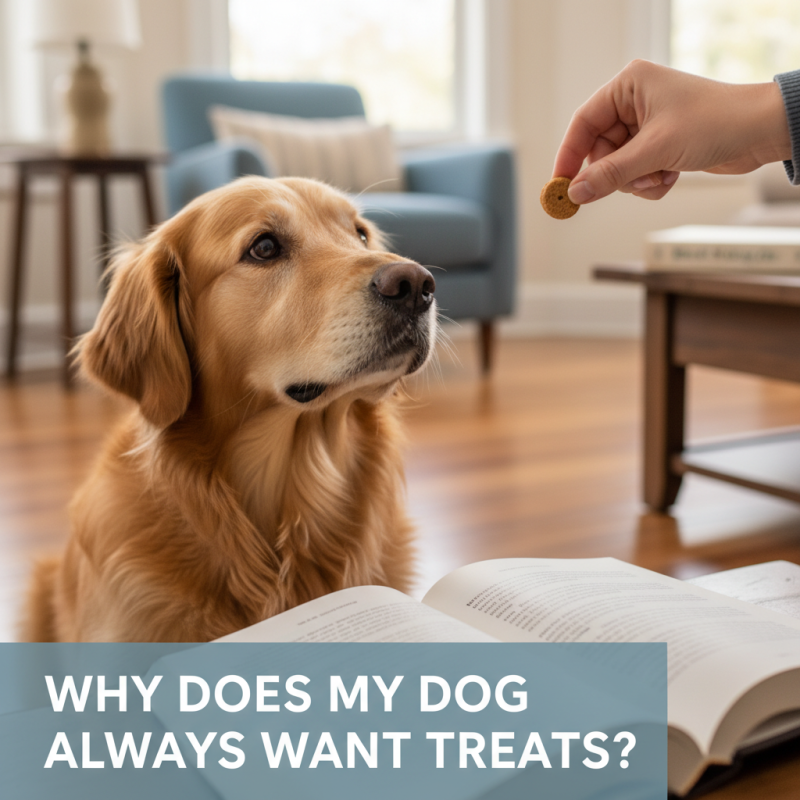
Why Does My Dog Always Want Treats in 2026 Best Dog Care?

Understanding Your Dog's Desire for Treats

Understanding your dog's desire for treats can be a complex but rewarding journey. Research indicates that up to 85% of dog owners use treats for training purposes. This creates a robust connection between your dog and positive reinforcement. Each time a dog receives a treat, it reinforces the behavior leading to the reward. Treats become a powerful motivator.

It's also important to recognize that dogs have a natural inclination towards food due to their ancestry. Wild canines hunted for survival, and this instinct persists in domestic dogs. A study published in the "Journal of Veterinary Behavior" found that 65% of dogs show excitement at the prospect of treats. Factors like smell and texture play significant roles. The stronger the aroma, the more enticing the treat.

However, a focus on treats can lead to potential issues. Obesity is a significant concern in canine health. Reports show that over 50% of dogs in the U.S. are overweight. Over-relying on treats can contribute to this problem. Balance is critical. Engaging your dog in play or offering praise can be just as effective. Treats are powerful, but they should not be the only tool in your training arsenal. Understanding this can lead to a healthier and happier relationship with your furry friend.

The Role of Training and Reinforcement in Treat-Seeking Behavior

Dogs are highly motivated by rewards, especially treats. This behavior has roots in training and reinforcement techniques. Research indicates that positive reinforcement can lead to an increase in desired behaviors. For example, a study published in the Journal of Veterinary Behavior found that 80% of dogs respond better to reward-based training methods than to traditional punitive methods.

When a dog seeks treats, it's often a learned behavior tied to early training experiences. Puppies that receive treats for commands are likely to repeat those actions. According to a survey by the Association of Professional Dog Trainers, 70% of trainers advocate for using treats as rewards. This approach helps dogs associate good behavior with positive outcomes. However, this reliance on food can lead to some challenges. If a dog constantly seeks treats, it might become overly focused on food rather than engaging in meaningful activities.

Proper balance is crucial. Owners should ensure that treat-seeking behavior doesn't overshadow other forms of play or interaction. Varying the types of rewards can also help. Incorporating toys or praise can diversify the dog’s motivation. While treats are effective, fostering a well-rounded relationship with a dog is essential for long-term behavioral health.

Why Does My Dog Always Want Treats in 2026 Best Dog Care?

Behavior Type Example of Reinforcement Training Method Frequency of Treat Requests
Begging Sitting by the table Positive Reinforcement High
Pawing Scratching at the treat jar Clicker Training Medium
Following Staying close during meal prep Frequent Treats with Commands Medium
Vocalizations Barking or whining near treats Verbal Commands High
Staring Fixating on treat locations Eye Contact Training Low

Factors Influencing a Dog's Craving for Treats

Dogs, by nature, are attracted to food. Treats hold a special allure. Factors influencing this craving are complex and multifaceted. According to the American Veterinary Medical Association, a dog’s diet plays a crucial role. Proper nutrition shapes not only their health but their behavior. A dog may seek treats if they lack essential nutrients.

Additionally, the environment impacts treat-seeking behavior. Exciting aromas can trigger cravings. Dogs are drawn to scents, and the smell of treats may stimulate their appetite. A study from the Association of Animal Behavior Professionals revealed that dogs with more enriching environments showed lower treat-seeking behaviors. It’s essential to evaluate their surroundings.

Another critical factor is conditioning. Dogs learn quickly what behaviors lead to rewards. Positive reinforcement trains them to associate certain actions with treats. Research from the Journal of Veterinary Behavior showcases how dogs link training and rewarding. Sometimes, this may lead them to incessant begging. Reflecting on this, pet owners should remain mindful. Treats should be given in moderation, ensuring a balanced approach to training and dietary habits.

Nutritional Considerations: Are Treats Beneficial or Harmful?

Treats can be a delightful part of your dog's diet. However, understanding their nutritional value is crucial. Many treats are high in calories and low in essential nutrients. Frequent indulgence can lead to weight gain or health problems. It's vital to offer treats in moderation. Consider their ingredients and choose options that are beneficial.

Homemade treats can be a healthier alternative. They allow you to control the ingredients, ensuring your dog gets wholesome nutrition. Simple recipes with oats, peanut butter, and pumpkin can be nutritious. However, not all homemade options are created equally. Some ingredients, like chocolate, are toxic to dogs. Always research before trying something new.

Observing your dog's responses to different treats is important. Some may love a particular treat, while others may refuse it. This variability can indicate food sensitivities or preferences. It might take time to find suitable options. Be patient and adjust treats as necessary. Remember to consult your vet for personalized advice. This ensures the health and happiness of your furry friend.

Managing Treat Expectations: How to Set Boundaries with Your Dog

Dogs often associate treats with love and attention. This makes them eager for snacks, sometimes overwhelming pet owners. Managing treat expectations is key. Start by defining treat times clearly. Use structured moments for treats, like after training sessions or during playtime.

Setting boundaries helps prevent begging. Be consistent. If you give a treat when your dog begs, it sends mixed signals. Dogs thrive on routine. If they learn that waiting brings treats, their behavior will improve. Avoid giving in during moments of weakness. Instead, redirect their focus.

It’s essential to reflect on your own habits. Are you giving treats too freely? This can lead to unhealthy weight gain. Monitor your dog’s behavior closely. Adjust your approach if necessary. Keeping your dog’s wellbeing in mind will help you set better boundaries. Your dog will appreciate the consistency, and you’ll feel more in control.

FAQS

: Why do dogs crave treats?

: Dogs are naturally attracted to food. Their ancestors hunted for survival, influencing their craving for treats.

What role do treats play in training?

Treats serve as positive reinforcement. They motivate dogs to associate good behavior with rewards.

How does a dog's diet affect their treat-seeking behavior?

Proper nutrition is crucial. A lack of essential nutrients may increase a dog's desire for treats.

Can the environment influence a dog’s craving for treats?

Yes, exciting smells can stimulate appetite. A rich environment may reduce excessive treat-seeking behavior.

How can I manage my dog's expectation for treats?

Define clear treat times. Consistent routines help dogs understand when to expect treats.

What happens if I give treats too freely?

Overindulging can lead to obesity. It’s important to monitor and adjust treat-giving habits.

Should I give treats when my dog begs?

No, that sends mixed signals. It’s better to redirect their attention and set clear boundaries.

Is it healthy to rely only on treats for training?

No, treats should not be the only method. Balancing praise and play is essential for well-rounded training.

What are the effects of treat over-reliance on my dog?

Dogs may become overweight. Over-relying on treats might lead to unwelcome behaviors, like incessant begging.

Conclusion

In addressing the question of "why does my dog always want treats," it's essential to understand the underlying motivations behind this behavior. Dogs often seek treats as a form of reinforcement, which can be deeply ingrained from their training. Treats not only provide immediate gratification but also serve as a powerful training tool that encourages desirable behaviors.

Several factors influence a dog's craving for treats, including their individual personality, the presence of prior positive experiences with treats, and even their nutritional needs. While treats can be a fun and rewarding part of a dog's diet, it's crucial to consider their nutritional value, as excessive treat consumption can lead to health issues. To manage a dog’s treat expectations effectively, owners should establish clear boundaries and limit the frequency and quantity of treats, ensuring they remain a special reward rather than a constant expectation.

Sophia

Sophia

Sophia is a dedicated marketing professional with an exceptional depth of knowledge about her company's products and services. With a keen understanding of market trends and customer needs, she crafts insightful blog posts that not only inform but also engage readers, enriching the company’s online......