How to Choose Safe Treats for Puppies and Kittens?

Time:2026-10-20 Author:Henry
0%

Choosing treats for puppies and kittens looks simple, but their small bodies need careful protection. Young animals have developing digestive systems, sensitive teeth, and different nutritional needs. A treat that suits an adult dog may be too rich for a puppy. The same mistake can upset a kitten’s stomach or disturb a balanced growth diet. So, what treats are safe for puppies and kittens? The answer depends on age, size, health, ingredients, and portion control.

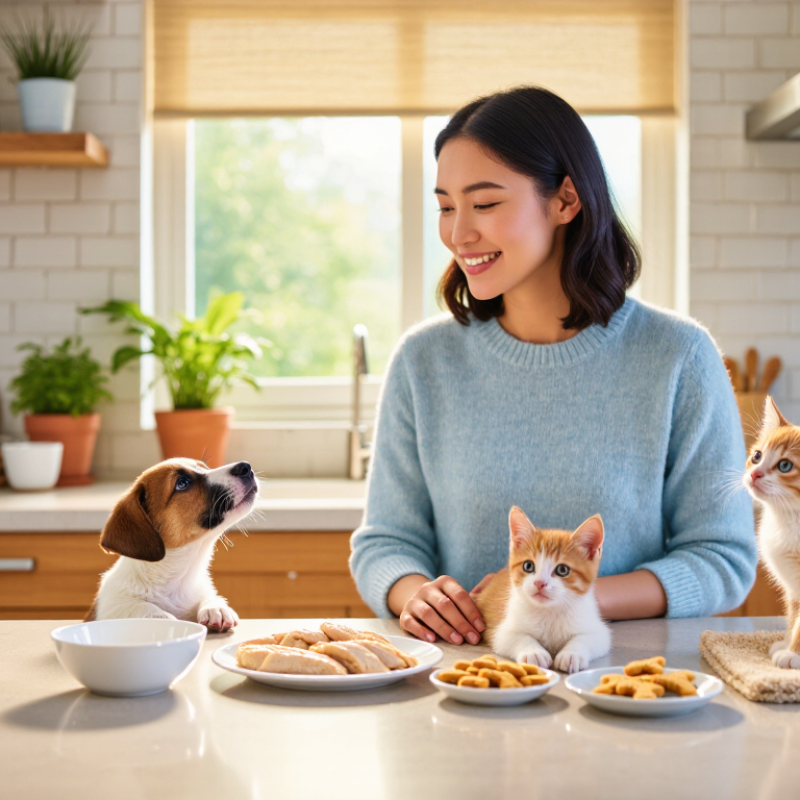
Dr. Lisa M. Freeman, a board-certified veterinary nutritionist at Tufts University, advises, “Treats should make up no more than 10% of your pet’s daily calorie intake.” This practical rule helps owners measure rewards beside complete puppy or kitten food. Choose tiny, soft pieces made for the correct species and life stage. Plain cooked chicken or turkey can work in small amounts, without seasoning, bones, or skin. Some kittens may accept small pieces of cooked fish, while puppies may enjoy vet-approved training treats. Always introduce one option slowly. Watch for vomiting, diarrhea, itching, or unusual tiredness. Stop if problems appear.

Read the label carefully. “Natural” does not always mean nutritionally suitable. Avoid treats containing onions, garlic, chocolate, grapes, raisins, alcohol, or xylitol. These ingredients can cause serious harm. Bones and hard pieces may also break teeth or cause choking. I have seen how quickly generous treating becomes excessive feeding, especially during training. That is easy to underestimate. A kitchen scale, a small treat jar, and your veterinarian’s guidance can make portions clearer. When doubt remains, choose the simplest option and ask a qualified veterinary professional.
How to Choose Safe Treats for Puppies and Kittens?

Define Treats by Life Stage, Species, and Complete-and-Balanced Diet Standards

Treats should be defined by three filters: life stage, species, and nutritional role. A tiny puppy needs different textures and calories than a growing kitten. Puppy treats should be soft enough for developing teeth and small enough to chew safely. Kitten treats must suit feline biology, not simply resemble miniature dog snacks. Size matters. A treat that feels harmless can still cause choking or stomach upset.

Read the feeding guidance carefully, especially the intended age range. Young animals need food labeled complete and balanced for their specific growth stage. Look for a recognized nutritional adequacy statement on the main food. Treats usually supplement this diet; they should not replace meals containing essential nutrients. Keep extras modest, often below ten percent of daily calories, unless a veterinarian advises otherwise. Calorie counts can be surprisingly unclear. Ask for details when packaging provides none. Avoid cooked bones, excessive salt, rich seasonings, and questionable ingredients.

Watch the first serving closely. Offer one small piece, then check stools, appetite, skin, and energy over the next day. A sudden change may reflect intolerance, overfeeding, or another health problem. That distinction is easy to miss. I would not rely on cheerful packaging alone; claims need context and professional scrutiny. Cats also require species-specific nutrients, including taurine, from an appropriate diet. When a puppy or kitten has allergies, poor growth, vomiting, or a medical condition, seek veterinary advice before experimenting. Even careful choices can be imperfect. Recheck portions and textures as the animal grows.

Apply the Veterinary 10% Calorie Rule for Puppies and Kittens

When choosing treats for puppies and kittens, start with the veterinary 10% calorie rule. Treats should provide no more than 10% of daily calories. The remaining 90% should come from complete, balanced growth nutrition. A growing animal needs carefully controlled nutrients, not just extra calories. Ask your veterinarian to estimate daily energy needs based on age, species, breed, weight, activity, and health.

Read the calorie information on every treat package. If a puppy needs 400 calories daily, treats should provide about 40 calories. That limit can disappear quickly. A large biscuit may contain more calories than expected, while several tiny pieces may work better during training. Break treats into smaller portions. Measure them before training sessions, not afterward.

Choose treats made specifically for the correct species, with simple ingredients and a texture suited to small mouths. Avoid hard pieces that could cause choking, and supervise every chewing session. Never rely only on attractive packaging. Some labels lack clear calorie details, which makes accurate planning difficult. In that case, contact the manufacturer or your veterinary team before feeding the treat.

A common mistake is counting treats separately from meals. I might remove a small amount from the daily food portion when rewards become frequent. Puppies and kittens can gain weight quietly, especially indoors. Check body shape and growth regularly, then adjust portions with professional guidance. Even healthy-looking treats can disrupt nutrition when the 10% boundary is ignored.

How to Choose Safe Treats for Puppies and Kittens?

Apply the veterinary 10% calorie rule: treats should provide no more than 10% of a young pet’s estimated daily energy needs.

This chart uses the Resting Energy Requirement formula, RER = 70 × body weight0.75. The estimates shown use approximately 2 × RER for puppies over four months and 2.5 × RER for kittens. Choose small, nutritionally appropriate treats, count all extras as part of the daily allowance, and ask a veterinarian to adjust portions for age, health, activity, and growth.

Check Ingredient Safety Using FDA and AAFCO Labeling Guidance

Choosing treats for puppies and kittens starts with the label, not the cartoon on the package.

FDA guidance requires animal food to be safe, sanitary, and free from harmful substances. Check the species named on the package. A puppy treat may not suit a kitten’s nutritional needs.

Look for an ingredient list arranged by weight. Avoid treats containing chocolate, onions, garlic, grapes, raisins, or other ingredients your veterinarian identifies as unsafe.

Never assume “natural” means harmless. Watch for vague descriptions, damaged packaging, or missing contact information. These details do not prove danger, but they deserve caution. Very small bodies can react quickly.

AAFCO provides model labeling rules and nutrient profiles, but it is not a government regulator. Its guidance helps explain ingredient names and nutritional claims.

Treats usually carry wording such as “for intermittent or supplemental feeding,” because they are not complete diets.

A guaranteed analysis can show protein and fat, but it does not reveal every safety concern. FDA and AAFCO information is useful, yet labels are not perfect.

I would check the lot details and ask a veterinarian when a puppy or kitten has allergies, illness, or unusual symptoms. When uncertain, choose a simpler treat and offer only a pea-sized piece first. Observe closely.

Match Treat Size, Texture, and Calories to Body Weight and Age

How to Choose Safe Treats for Puppies and Kittens?

Match Treat Size, Texture, and Calories to Body Weight and Age

A treat should fit a young pet’s mouth, not an adult dog’s hand. For puppies and kittens, choose tiny pieces that match body weight and chewing ability. Soft, easily broken textures are often more suitable for early teeth. Avoid treats that splinter, crumble sharply, or become large mouthfuls. Always supervise feeding, especially when a kitten swallows quickly or a puppy guards food.

Treat calories matter more than treat count. The WSAVA Global Nutrition Toolkit recommends keeping treats below 10% of daily calories. A 2-kilogram kitten may need far fewer calories than a 12-kilogram puppy, even when both receive one treat. The 2022 APOP survey reported excess weight in 59% of dogs and 61% of cats surveyed in the United States. Small extras can quietly contribute. Check the kcal value, then reduce the main meal slightly only with veterinary guidance. Growing pets still need complete nutrition for development.

Tips: Break one treat into several smaller rewards. Weigh the pet regularly. Recheck body shape, energy, and stool quality. Labels can confuse me, and calorie information is sometimes incomplete. I would ask a veterinarian for a daily calorie target, especially after illness or rapid growth. A treat that seems harmless may be too dense for a very small body.

Screen for Recalls, Allergens, Choking Risks, and Toxic Ingredients

How to Choose Safe Treats for Puppies and Kittens?

Young pets need treats suited to their small bodies. Check official recall notices before opening a new package. Record the product name, lot number, and expiry date. Do not rely only on online reviews. Recall information can change.

Read the ingredient panel carefully. Puppies and kittens may react to proteins, dairy, grains, or artificial flavorings. Avoid treats containing chocolate, onions, garlic, grapes, raisins, alcohol, or xylitol. Some products use unfamiliar plant extracts, so ask a veterinarian before offering them. A short ingredient list is helpful, but it is not automatically safe.

Tips: Choose treats smaller than your pet’s mouth. Soft textures usually reduce choking risks. Watch your puppy or kitten while eating. Never give hard bones, sharp pieces, or treats that splinter. Break larger pieces by hand. My practical mistake was judging safety by size alone; some chewy treats swell after moisture reaches them. I now test texture first and supervise every new treat. Introduce one ingredient at a time, then watch for vomiting, diarrhea, itching, facial swelling, or unusual tiredness. Stop feeding the treat if symptoms appear and contact a veterinarian promptly. Keep treats below ten percent of daily calories, because growing pets still need balanced meals. Some advice online sounds convincing but lacks evidence. That is worth questioning.

How to Choose Safe Treats for Puppies and Kittens? — Screen for Recalls, Allergens, Choking Risks, and Toxic Ingredients
Treat Type Recall Screening Allergen Review Choking or Injury Risk Toxic-Ingredient Screening Safer-Use Guidance Puppy and Kitten Considerations
Soft, bite-sized training treats Lower concern
Check the package lot number, expiration date, intact seal, and current official recall notices.
Review animal proteins, grains, dairy, and added flavorings. Avoid ingredients previously linked to the individual pet’s reaction. Lower risk
Risk increases if pieces are too large, dry, or swallowed rapidly.
Reject products containing chocolate, caffeine, onion, garlic, raisins, grapes, or xylitol. Break into small pieces and use only as occasional rewards. Keep the package for traceability. Choose a size and texture that can be easily chewed. Supervise every feeding, especially with very young animals.
Freeze-dried or dehydrated meat treats Moderate concern
Confirm clear processing information, lot identification, storage instructions, and recall status.
Single-protein recipes may make ingredient tracking easier, but the protein itself can still trigger an allergy. Moderate risk
Hard, uneven pieces may lodge in the throat or be swallowed whole.
Do not assume “natural” means safe. Avoid toxic seasonings and products with unexplained preservatives or flavor blends. Choose small pieces, soften them when appropriate, and provide fresh drinking water. Follow storage instructions carefully. Use extra caution with products made from raw animal ingredients because contamination risk can affect young pets and people handling the treats.
Jerky-style meat treats Moderate concern
Check current recall notices and discard treats with an unusual odor, mold, swelling, or damaged packaging.
Check for mixed proteins, wheat, soy, dairy, and artificial flavorings if the pet has a sensitive stomach or known allergy. Moderate risk
Long strips can be gulped or torn into sharp fragments.
Never use jerky seasoned with onion, garlic, chili, or other ingredients intended for human foods. Cut into short, soft pieces and supervise. Stop use if vomiting, diarrhea, lethargy, or refusal to eat occurs. Young pets may lack the chewing control needed for large strips; use only appropriately sized pieces.
Dental chews and hard molded treats Moderate concern
Verify the product’s lot information and inspect each chew before use.
Read the complete ingredient list because dental products may contain multiple proteins, cereals, dairy, or flavor additives. Higher risk
Very hard treats may fracture teeth, while small pieces can become choking hazards or cause intestinal blockage.
Avoid products with toxic sweeteners, chocolate, caffeine, onion, garlic, grapes, or raisins. Do not use treats that are harder than the pet’s teeth can safely handle. Remove damaged remnants and supervise continuously. Many dental chews are not suitable for puppies or kittens with immature teeth. Follow the stated age and size limits.
Rawhide, compressed hide, or tough skin chews Moderate concern
Check for recalls, contamination warnings, and clear manufacturing and storage information.
May contain animal proteins or processing substances that are unsuitable for pets with food sensitivities. Higher risk
Large pieces can be swallowed and may cause choking or digestive obstruction.
Avoid flavored versions containing onion, garlic, sweeteners, or unknown seasoning mixtures. Use only with close supervision and remove the chew when it becomes small enough to swallow. Generally unsuitable for very young animals that gulp food or have small mouths. Ask a veterinarian before use.
Bones, antlers, hooves, and very hard animal parts Higher concern
Inspect for cracks, splintering, contamination, and current safety alerts.
Animal-source proteins can still cause an allergic reaction. Added smoke flavor or seasoning may introduce additional triggers. Higher risk
Can fracture teeth, splinter, lodge in the throat, or injure the digestive tract.
Do not offer cooked bones. Avoid seasoned or smoked products containing onion, garlic, or other unsafe additives. These items are not a low-risk choice for routine treating. Remove immediately if cracking, splintering, or sharp edges appear. Do not give to puppies or kittens with developing teeth, small jaws, or a tendency to swallow objects.
Fish-based treats Moderate concern
Check packaging integrity, odor, storage requirements, and current recall information.
Fish is a distinct protein and may cause a reaction even when other animal proteins are tolerated. Moderate risk
Small bones or brittle dried pieces may become choking hazards.
Avoid salted, smoked, spiced, or human snack products. Never use fish treats containing onion, garlic, or excessive seasoning. Choose boneless, pet-formulated pieces and offer small portions. Store according to the label to limit spoilage. Use extra care with small kittens and puppies; select pieces that crumble or soften rather than splinter.
Dairy-based treats Lower concern
Still check expiration dates, refrigeration requirements, packaging damage, and recall notices.
Milk proteins may trigger allergy symptoms, and lactose may cause digestive upset in some pets. Lower risk
Frozen or firm pieces may be too large or hard for a small mouth.
Avoid products containing chocolate, coffee, caffeine, grapes, raisins, or xylitol. Offer only tiny portions and stop if loose stool, gas, vomiting, itching, or ear irritation develops. Do not use dairy treats as a nutritional substitute for complete puppy or kitten food.
Vegetable or fruit pieces Lower concern
Wash fresh produce and avoid spoiled, bruised, or moldy pieces.
Food sensitivity is possible even with plant ingredients. Introduce one new item at a time. Moderate risk
Large, round, hard, or stringy pieces can obstruct the airway.
Never offer grapes, raisins, onions, garlic, chives, or foods containing chocolate or xylitol. Remove pits, seeds, cores, and stems where applicable. Use small, soft, plain pieces without salt, oil, sauces, or seasoning. Treats should remain a small part of the daily diet. Cut pieces to match the animal’s mouth size and supervise closely. Avoid experimenting with unfamiliar fruits or vegetables.
Homemade treats Moderate concern
Keep a written ingredient list, preparation date, and storage record; discard food that has been mishandled or spoiled.
Homemade recipes make ingredients visible, but cross-contact with allergens can still occur in the kitchen. Moderate risk
Hard biscuits, large chunks, and dehydrated pieces may be difficult to chew safely.
Exclude chocolate, caffeine, alcohol, xylitol, grapes, raisins, onions, garlic, macadamia nuts, and heavily salted or seasoned ingredients. Use plain, fully cooked ingredients and reliable pet nutrition guidance. Introduce one recipe in a small amount. Do not replace balanced puppy or kitten food with homemade treats. Very young animals need nutritionally complete meals for growth.
Universal safety checks: Read the full ingredient list every time, verify the package lot and expiration information, check current official recall notices before purchase, and keep treats below approximately 10% of daily calories. Introduce one new treat at a time and contact a veterinarian promptly if a pet shows choking, repeated vomiting, severe diarrhea, weakness, tremors, seizures, breathing difficulty, or suspected toxin exposure.

FAQS

How many treats can a puppy or kitten safely receive daily?

Keep treats below 10% of daily calories. The remaining calories should come from complete and balanced growth nutrition. For example, a 400-calorie puppy may receive about 40 treat calories. That limit disappears quickly. Measure portions before training.

Should puppy and kitten treats be different?

Yes. Puppies and kittens have different biological and nutritional needs. Choose treats made for the correct species and life stage. A kitten treat should support feline needs, including taurine from an appropriate diet. Small does not always mean suitable.

What treat texture is safest for young pets?

Choose soft pieces that break easily and fit the animal’s mouth. Avoid splintering, sharply crumbling, or oversized treats. Developing teeth may struggle with hard pieces. Supervise every chewing session.

How should treat size match a pet’s body?

A treat should match the pet’s body weight, mouth size, and chewing ability. A tiny kitten needs much less food than a larger puppy. Break one treat into several small rewards. Count calories, not pieces.

What should I check on a treat label?

Check the intended species, age range, ingredients, texture, and calorie information. The main diet should carry a recognized complete-and-balanced adequacy statement. If calories are missing, contact a veterinary team or the manufacturer. Guessing is risky.

Can treats replace meals for growing animals?

No. Treats should supplement meals, not replace essential growth nutrition. Puppies and kittens need carefully controlled nutrients for development. Frequent rewards may require adjusting the main food portion with veterinary guidance. Growth can hide weight gain.

How should I introduce a new treat?

Offer one small piece first. Watch stools, appetite, skin, and energy during the following day. Stop and seek advice if vomiting, poor growth, or unusual symptoms appear. One change at a time helps.

What common mistakes should owners avoid?

Do not rely on cheerful packaging, treat counts, or appearance alone. Avoid cooked bones, excessive salt, rich seasonings, and questionable ingredients. I might misjudge a “tiny” biscuit’s calories. Recheck portions as the pet grows.

Conclusion

Choosing safe treats begins with understanding that puppies and kittens have different nutritional needs from adult pets. Look for treats designed for the correct life stage and species, while ensuring their main food remains a complete-and-balanced diet. The keyword question, “what treats are safe for puppies and kittens,” can be answered by focusing on simple, age-appropriate products with clear ingredient and nutritional information. Treats should generally provide no more than 10% of a young pet’s daily calories, with the remaining nutrition coming from a balanced diet.

Select portions according to the animal’s body weight, age, chewing ability, and size. Small, soft, easily breakable pieces may be safer for young pets, while hard or oversized treats can create choking concerns. Review labels for potentially harmful or unsuitable ingredients, common allergens, and unclear additives. Avoid toxic foods and monitor safety notices or recalls before offering a new treat. Introduce treats gradually and stop using them if digestive problems or allergic reactions appear.

Henry

Henry

Henry is a dedicated marketing professional with a profound expertise in the company's offerings. With years of experience in the industry, he possesses an impressive understanding of the market dynamics and consumer behaviors that drive success. Henry is committed to sharing his insights through......