China Top 10 Best Treats for Training Dogs?

Time:2026-09-30 Author:Henry
0%

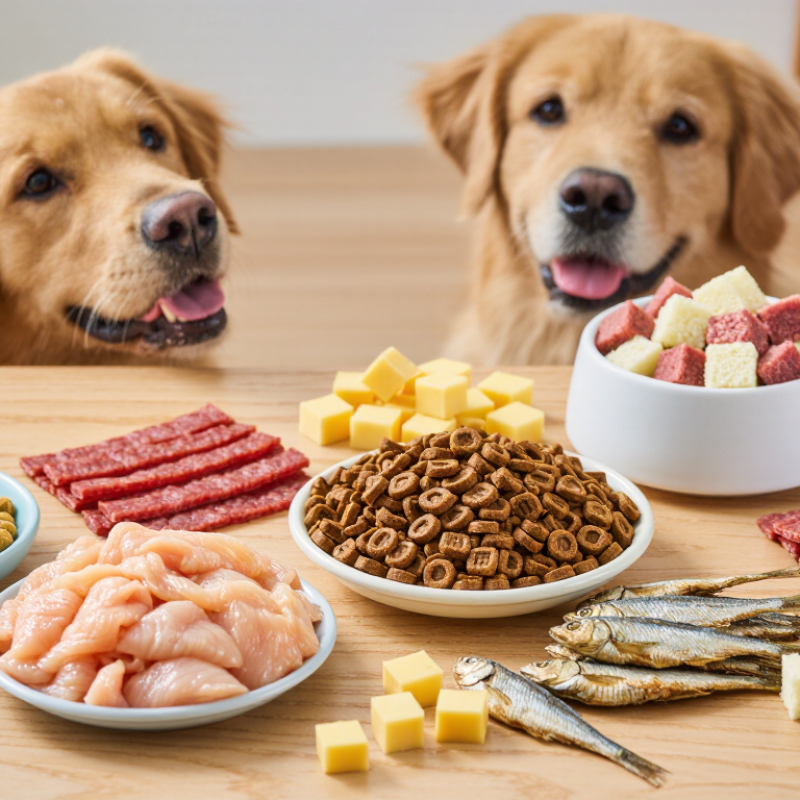
Choosing training treats is less about finding a “perfect” snack and more about finding a reward your dog will work for. This matters in China, where shoppers may compare imported brands, local products, and simple single-ingredient options. So, what treats are best for training dogs? Usually, small, soft, easy-to-swallow pieces that can be delivered quickly—without interrupting practice. Think pea-sized chicken bites, tiny fish treats, or a few pieces of your dog’s regular kibble. Individual dogs differ, though. A treat that works in a quiet kitchen may lose its appeal beside a busy Shanghai street.

Professional guidance offers a useful guardrail. The World Small Animal Veterinary Association’s Global Nutrition Guidelines recommend keeping treats below 10% of a dog’s daily calories, helping prevent extras from unbalancing the diet. The American Pet Products Association’s 2025 State of the Industry report estimated U.S. pet-industry spending at $152 billion in 2024, with $157 billion projected for 2025. That figure is not China-specific, and it does not measure training treats alone; it does show the scale of the wider pet-care market.

Veterinary behaviorist Dr. Sophia Yin championed reward-based training; a practical way to express her approach is: “Reward the behavior you want to see again.” Keep portions tiny. Keep ingredients clear. And watch your dog’s response. I would not call any list definitive: allergies, age, and motivation can change the best choice. The guide below compares ten options by size, texture, convenience, and suitability for everyday practice.
China Top 10 Best Treats for Training Dogs?

What Makes a Dog Treat Effective for Training?

An effective dog-training treat is not simply tasty. It must help the dog notice, chew, and return attention quickly. In practical training, soft, pea-sized pieces often work well. They can be delivered within seconds. That timing matters. A reward given too late may reinforce jumping, wandering, or barking. Choose a treat your dog eagerly accepts, but not one that causes frantic grabbing. Calm eating supports calm learning.

The ingredient list deserves careful attention. Look for clear protein sources and avoid excessive salt, sugar, or unnecessary fillers. Dogs with allergies, obesity, dental problems, or sensitive stomachs may need different choices. A veterinarian can help match treats to a dog’s health plan. Training rewards should stay small. Even tiny pieces can add calories during repeated practice. Measure the day’s treats in advance, then adjust meals only with suitable professional guidance.

Texture and smell also affect performance. A quiet indoor lesson may need a mild biscuit, while a noisy street may require a stronger aroma. Test one variable at a time. Do not change everything at once. It is easy to blame a treat when poor timing causes the problem. That mistake deserves reflection. Watch body language, stool quality, and motivation. If any change appears, stop and reassess carefully.

How the Top 10 Training Treats Are Selected in China

China Top 10 Best Treats for Training Dogs?

How the Top 10 Training Treats Are Selected in China

Selecting China’s top ten training treats requires more than checking popularity. We examine ingredient labels, production dates, storage instructions, and traceable sourcing. Products sold in China should provide clear information for careful purchasing. Treats with excessive fillers, unclear additives, or vague nutrition details receive lower scores.

Small pieces matter. Our practical test focuses on size, texture, smell, and handling. A good reward should break easily and stay soft enough for quick swallowing. It should not crumble across the training floor. We also compare calorie density, because repeated rewards can quietly affect a dog’s weight. Smaller dogs need stricter portion control. Sensitive dogs may need simpler recipes.

We consult experienced trainers and veterinary nutrition guidance when reviewing each product. Their input helps us assess digestion, motivation, and suitability for different training stages. We observe whether dogs remain interested after several repetitions, not just after one bite. No ranking is perfectly objective. Dogs have different preferences, and our testing may favor certain textures. We therefore record both positive results and practical weaknesses. A treat that works outdoors may be too fragrant indoors. Another may look excellent on paper but disappoint during a real recall exercise. Consistent quality, safe handling, and useful training performance determine the final ten.

The Top 10 Dog Training Treats and Their Key Features

China’s Top 10 Best Treats for Training Dogs

Effective training treats should be safe, tiny, appealing, and easy to carry. Veterinary nutrition guidance often recommends keeping treats below 10% of daily calories. Soft meat bites rank highly because dogs can swallow them quickly. Freeze-dried meat offers strong aroma without greasy fingers. Regular kibble works well for puppies and weight control. Plain, cooked chicken provides lean protein and a familiar smell. Small pieces of cooked turkey are useful for longer practice sessions. None should contain onions, garlic, heavy seasoning, or cooked bones.

Low-fat cheese can motivate some dogs, although sensitive stomachs may disagree. Tiny carrot pieces add crunch and very few calories. Seedless apple pieces offer moisture and sweetness, but remove the core and seeds. Plain pumpkin can suit dogs needing gentle fiber, served in small amounts. Small portions of cooked fish provide a powerful scent, but choose boneless pieces without salt. Size matters more than people expect. A treat should resemble a pea, not a meal. I once used pieces that were too large, and my dog lost focus while chewing. That mistake changed my method. Watch body weight, stool quality, and enthusiasm daily. Individual dogs vary, so the most expensive-looking option is not always the most effective.

China Top 10 Best Treats for Training Dogs: The Top 10 Dog Training Treats and Their Key Features

Rank Treat Type Typical Ingredients or Form Key Training Features Best Suited For Portioning and Use Notes
1 Soft, Small Training Bites Moist, bite-sized pieces commonly made with animal protein and other food ingredients. Easy to chew quickly and convenient to deliver during repeated rewards. Basic cues, recall practice, and everyday reward-based training. Choose pieces small enough to swallow comfortably; account for treats in the dog’s daily food intake.
2 Freeze-Dried Meat Pieces Meat or fish preserved by freeze-drying; products may contain a single ingredient or several. Lightweight, strong-smelling, and easy to break into smaller rewards. Dogs that respond well to meat-based rewards and training outdoors. Check the ingredient list and texture; some pieces may be dry or crumbly.
3 Cooked Lean Meat Pieces Plain, fully cooked, boneless poultry or other lean meat, without seasoning. Soft and highly portionable, with a familiar meat texture. High-distraction training or dogs that prefer fresh-food rewards. Serve in tiny pieces. Avoid cooked bones, seasoning, and ingredients unsafe for dogs, such as onion and garlic.
4 Single-Ingredient Dehydrated Meat Meat or fish dried to remove much of its moisture. Convenient to store and often easy to tear or cut into training-sized pieces. Short sessions and dogs that enjoy a firmer, meat-based reward. Texture can vary from pliable to chewy; supervise dogs that gulp or swallow large pieces.
5 Soft Semi-Moist Treats Soft, prepared treats made from a combination of animal or plant ingredients. Usually easy to break apart and quick for many dogs to eat. Indoor practice, walks, and reward delivery from a treat pouch. Review the ingredient and feeding information; reseal packaging as directed to maintain freshness.
6 Small Crunchy Biscuits Baked treats, often made with grains or other starches and additional ingredients. Easy to carry and less messy than many moist options. Calm training sessions and dogs that enjoy a crunchy texture. Break larger biscuits into small pieces; crunchy treats may take longer to eat than soft rewards.
7 Plain Cooked Egg Pieces Fully cooked egg, served plain and cut into small pieces. Soft texture and easy portioning for dogs that tolerate egg. Occasional training rewards at home. Introduce unfamiliar foods gradually and use modest portions; avoid added salt, oil, or seasonings.
8 Dog-Safe Vegetable Pieces Small pieces of suitable vegetables, such as plain cooked carrot or cucumber. Can provide a low-mess, non-meat option; texture varies by preparation. Dogs that enjoy vegetables and routine, lower-distraction practice. Wash and prepare appropriately. Not every dog finds vegetables rewarding, so test preference first.
9 Soft Food Roll or Loaf Pieces Soft, sliceable dog food formed into a roll or loaf; ingredients differ by product. Can be cut into consistently small cubes and carried in a sealed pouch. Frequent reward delivery during structured sessions. Follow storage directions after opening and check whether the food is intended for supplemental or complete feeding.
10 Daily Kibble as a Reward The dog’s regular dry food, used in place of some of the meal portion. Convenient, familiar, and useful for frequent practice without adding a separate treat. Low-distraction practice and dogs motivated by their regular food. Measure the meal allowance in advance; switch to a more appealing reward if the setting is challenging.

Selection tip: Choose a treat your dog can eat quickly, break it into small pieces, and keep all treats within a balanced daily diet. Introduce new foods gradually and consult a veterinarian about individual dietary needs or food sensitivities.

How to Match Treat Types to Dogs and Training Goals

China Top 10 Best Treats for Training Dogs?

The best training treat depends on the dog and the lesson. For recall, use tiny, soft, high-value pieces of cooked lean meat or freeze-dried protein. They disappear quickly. For calm behavior, ordinary kibble can work well because repetition matters more than excitement. Small vegetable pieces suit dogs needing lower-calorie rewards. Crunchy biscuits may help simple cues, but they can slow training. Dental chews are not ideal for rapid repetition. Lickable pastes can support grooming practice, especially for nervous dogs. Other useful choices include cheese crumbs, boiled egg, and limited fruit pieces. My mistake was using the same reward for every dog. Motivation changed daily.

Tips: Keep each piece smaller than a fingernail. AAHA’s Nutrition and Weight Management Guidelines recommend treats stay below 10% of daily calories. Measure the food bowl first, then adjust meals when treats increase. The Association for Pet Obesity Prevention reported that 59% of surveyed U.S. dogs were overweight or obese in 2022. That figure makes portion control practical, not optional.

Match value to difficulty. A quiet sit may need kibble. A recall beside traffic needs something far more appealing, practiced safely away from danger. Use reward-based methods, consistent timing, and a clear marker word. Avoid sudden diet changes, rich ingredients, or foods that trigger allergies. Watch the stool and enthusiasm. A treat that looks premium may still upset one dog’s stomach. Training plans should be tested, observed, and revised. Dogs are not identical machines.

How to Serve Training Treats Safely and in Moderation

Training treats work best as tiny rewards, not extra meals. Choose soft pieces that a dog can swallow quickly during practice. The treat should match the dog’s size, age, health, and training difficulty. Plain cooked meat, selected vegetables, or veterinarian-approved snacks may be suitable. Avoid dangerous foods, including chocolate, onions, garlic, grapes, raisins, xylitol, and cooked bones. When uncertain, consult a qualified veterinarian.

Serve one piece at a time. Keep your fingers flat to reduce accidental nipping. For small dogs, cut treats into pea-sized portions. A larger reward is not always more motivating. During a ten-minute session, several small pieces may be enough. Measure the daily treat amount and reduce the regular food slightly if needed. Many professionals recommend keeping treats near ten percent of daily calories, but individual needs vary.

Use a clean pouch and avoid leaving treats in heat or direct sunlight. Check the texture before giving each piece. Hard, dry treats can be unsuitable for puppies, elderly dogs, or dogs with dental problems. Watch for itching, vomiting, loose stools, or unusual tiredness after introducing a new food. Stop that treat and seek veterinary advice. I still find portion control difficult during exciting sessions. Counting rewards beforehand helps, though it is easy to lose track.

FAQS

What makes a dog treat effective during training?

It should taste appealing, stay small, and support quick attention. Soft, pea-sized pieces often work well. Timing matters most.

Why does treat timing matter?

Give the reward within seconds of the correct behavior. A late treat may reward barking, wandering, or jumping instead.

How small should training treats be?

Small dogs often need pea-sized pieces. Several tiny rewards can work during a ten-minute session. Bigger is not always better.

What ingredients should owners check?

Look for clear protein sources and simple nutrition information. Avoid excessive salt, sugar, and unnecessary fillers.

Should treats count toward daily food?

Yes. Measure treats before training and monitor total calories. Many professionals suggest about ten percent, but needs vary.

Which treats may suit sensitive dogs?

Dogs with allergies or stomach problems may need simpler recipes. A veterinarian can help choose suitable options.

How should treats be used safely?

Serve one piece at a time with flat fingers. Keep treats clean and away from heat or direct sunlight.

What foods should never become training treats?

Avoid chocolate, onions, garlic, grapes, raisins, xylitol, and cooked bones. When uncertain, ask a qualified veterinarian.

How can owners judge whether a treat works?

Watch motivation, body language, and stool quality. Test one change at a time. Poor timing may be the real problem.

Are treat rankings completely objective?

No. Dogs prefer different smells and textures. Outdoor testing may favor strong aromas, and reviewers can misjudge.

Conclusion

Choosing the right training treats can make lessons more enjoyable, focused, and effective for dogs. This guide explores what treats are best for training dogs by examining key qualities such as small size, appealing flavor, easy chewing, nutritional value, and suitability for frequent rewards. It also explains how ten popular treat types in China are selected according to ingredient quality, safety, convenience, and value, without focusing on any specific brand.

The article presents the key features of the top ten options, including soft bites, freeze-dried ingredients, low-calorie snacks, and simple homemade-style choices. It shows how to match treat types with a dog’s age, size, dietary needs, personality, and training goals. Finally, it offers practical advice on portion control, checking ingredients, introducing new treats gradually, keeping fresh water available, and reducing regular meals when necessary to prevent overfeeding.

Henry

Henry

Henry is a dedicated marketing professional with a profound expertise in the company's offerings. With years of experience in the industry, he possesses an impressive understanding of the market dynamics and consumer behaviors that drive success. Henry is committed to sharing his insights through......