Knowing when should i reward pets with treats is essential for healthy training and responsible care. A treat can brighten a dog’s eyes after a calm sit, or help a nervous cat approach a carrier. However, timing matters more than excitement. Reward the behavior immediately, while the action remains clear in the pet’s mind. Good moments include successful training, calm handling, gentle social behavior, and recovery after a stressful experience. Treats should support learning, not replace exercise, affection, veterinary care, or a complete diet.
Veterinary nutritionist Dr. Lindsey Bullen advises, “Treats should make up no more than 10% of a pet’s daily calories.” This practical rule gives owners a useful boundary when comparing products from China’s top 10 pet treat suppliers. Ingredient transparency, calorie information, food-safety controls, and species-appropriate formulas deserve close attention. A small biscuit may look harmless, yet several daily rewards can quietly add extra calories. It happens easily.
The best reward is not always edible. A favorite toy, gentle praise, or a short play session may work better for some pets. Owners should also observe allergies, digestive changes, age, weight, and medical conditions. I have found that many reward routines fail because people reward too late, too often, or without a clear purpose. That weakness deserves honest reflection. This guide examines when treats are useful, how suppliers support safer choices, and how thoughtful rewards can build trust without encouraging overfeeding.
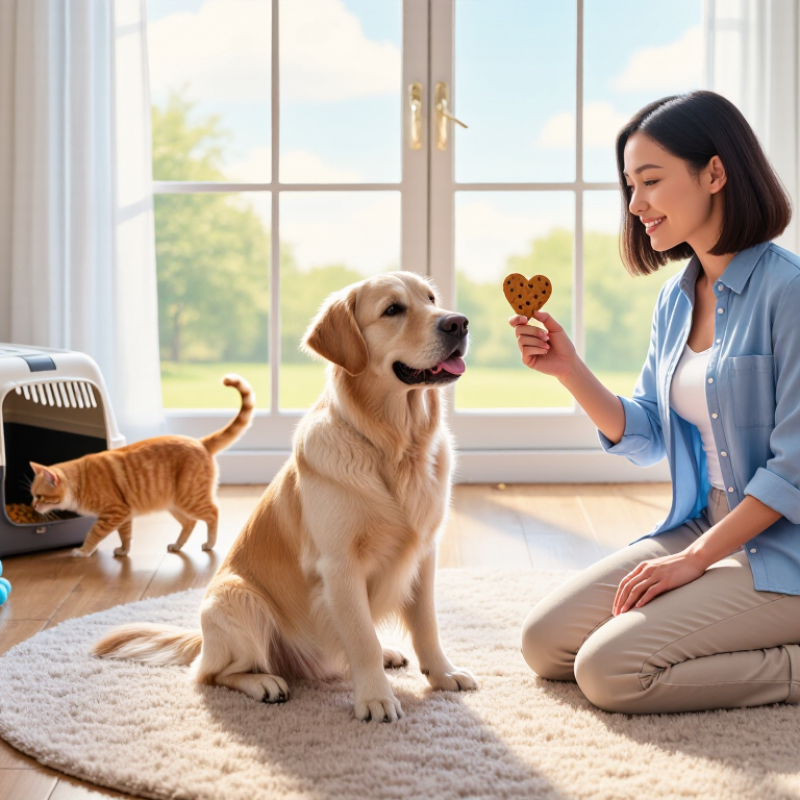
China Top 10 Pet Treat Suppliers: When Should I Reward Pets?
What Defines a Reliable Pet Treat Supplier in China
A reliable pet treat supplier provides more than attractive prices and polished catalogs. In practical sourcing, I look for clear ingredient lists, traceable raw materials, and consistent production records. Each batch should have a code, production date, storage guidance, and test documentation. The supplier should explain moisture, protein, calorie, and allergen information without vague promises.
Factory experience matters. Ask for facility photos, process details, sample reports, and independent audit records. A dependable supplier welcomes reasonable questions. They should also explain how treats are handled during drying, cooling, packing, and shipment. Clean production areas matter. So does careful packaging.
Small details reveal reliability.
Before placing a large order, request samples from different batches. Check texture, smell, seal quality, and label accuracy. For training, choose small treats with simple ingredients and suitable calories. Reward pets after safe, desired behavior, not randomly throughout the day. This helps owners measure intake and prevents excessive feeding.
Suppliers should support customization, but customization needs discipline. I once assumed a lower price meant better purchasing value. That was too simple. Weak documentation can create expensive delays later. A reliable partner communicates limits, admits production risks, and improves after feedback. Still, no supplier should replace veterinary advice, especially for pets with allergies, medical conditions, or special diets.
China’s top 10 pet treat suppliers stand out through different production strengths, not identical product lines.
One specializes in freeze-dried meat with clear ingredient panels. Another focuses on soft training bites for quick rewards. A third develops dental chews with controlled texture and measured calorie content. Other strong suppliers offer seafood recipes, single-protein formulas, grain-free biscuits, functional treats, private-label production, low-temperature baking, and flexible packaging.
These strengths matter when selecting treats for daily training. A small soft bite works well after a calm sit or a successful recall. Freeze-dried pieces suit pets that prefer a stronger aroma. Dental products may support chewing habits, but they should not replace veterinary care.
I have found that suppliers with batch testing, traceable raw materials, and stable moisture control are easier to trust. Details matter here. A torn pouch or oily surface can reveal weak packaging control.
Supplier interviews should include questions about allergen separation, shelf-life testing, factory audits, and sample consistency. Export experience is useful, but it does not guarantee every batch performs equally. That assumption needs checking.
Ask for recent laboratory reports and compare the same recipe across multiple samples. Reliable manufacturers usually explain sourcing, processing temperature, and storage conditions clearly.
Reward pets in tiny portions, especially during repeated training sessions. Too many “healthy” treats can still disrupt a balanced diet.
A reward should fit the pet, not only the training moment. In my experience, young puppies and kittens need soft, small pieces that are easy to chew. Their teeth and digestion are still developing. Senior pets may prefer tender treats, especially when hard snacks cause discomfort. Always watch chewing, because age does not predict every pet’s ability.
Size matters more than many owners expect. A large dog can handle a firm biscuit, while a small dog may struggle with the same piece. Break treats into pea-sized portions when possible. For cats, tiny flakes often work better than large cubes. Stay nearby during feeding. A quick reward should never become a choking risk.
Dietary needs require closer attention. Check calories, protein sources, salt, and added ingredients on the label. Pets with allergies, diabetes, kidney disease, or sensitive stomachs may need veterinary guidance before receiving new treats.
Treats should generally provide no more than 10 percent of daily calories, according to common veterinary nutrition guidance.
I once offered too many “healthy” snacks during training, and the weight gain was easy to miss. That mistake changed my routine. I now use part of the regular meal as a reward when suitable. Reward calm behavior promptly, then record any itching, vomiting, or stool changes. Small details matter.
Rewarding pets works best when the timing is clear, calm, and consistent. During training, offer a small treat within one or two seconds of the desired action. This connects the reward with sitting, coming, waiting, or releasing an object. Say a quiet marker word as the behavior happens. Then provide the treat at once.
Keep portions tiny. A pea-sized piece is often enough for a dog, while cats may need even less. Treats should fit within the pet’s daily calorie needs, especially for animals with weight, digestive, or allergy concerns. Fresh water should always be available. For medical diets, ask a veterinarian before adding new foods. Reliable suppliers should provide clear ingredients, feeding guidance, batch information, and storage instructions.
Daily care also creates useful reward moments. Offer a treat after gentle brushing, nail handling, crate entry, or calm towel drying. Do not reward jumping, biting, or frantic barking by accident. I once delivered a treat too late, after a dog had left the mat. It learned to move away, not stay. Timing matters more than enthusiasm. Mistakes happen.
Watch the pet’s body language. A stiff posture, pinned ears, lip licking, or avoidance may signal stress. Pause and reduce the task. Some pets prefer praise, play, or a brief sniffing break. Rewards should build trust, not pressure. My own timing still needs attention, particularly during busy care routines.
Choosing safe pet treats starts with the supplier, not the colorful packaging. Reliable Chinese suppliers should provide clear ingredient lists, batch numbers, expiration dates, and storage instructions. Ask for recent laboratory testing when possible. Testing may cover harmful microbes, excessive moisture, and undeclared ingredients. A professional supplier should answer specific questions without vague promises.
At home, inspect every packet before serving. The seal should be intact, and the treats should smell normal. Avoid products with confusing labels or unusually strong odors. Select treats that match your pet’s age, size, allergies, and health conditions. A veterinary professional can help when your pet has diabetes, kidney disease, or food sensitivities. Tiny portions work well. For many pets, treats should stay below ten percent of daily calories. Reduce the main meal slightly if rewards increase.
Reward timing matters as much as treat quality. Give one small piece after calm behavior, training, grooming, or a safe recall. Do not reward barking every time, even when the noise feels difficult to ignore. I have made that mistake myself. It teaches persistence, not patience. Keep treats in a sealed container, away from heat and moisture. Watch for vomiting, itching, loose stool, or sudden weight gain, and stop the product if these signs appear. A treat should support learning, not replace balanced nutrition.
A practical guideline is to keep treats at no more than 10% of a pet’s daily calorie intake. The estimates below use typical maintenance energy needs for healthy, adult, neutered pets; age, activity, health status, and body condition can change the appropriate amount.
Give a reward immediately after the desired behavior and use small pieces. Choose treats with clear ingredient and calorie information, and avoid products containing chocolate, xylitol, grapes or raisins, onions, garlic, or unsafe bones. Reduce the main meal slightly when treats are included.
Young puppies and kittens often need soft, tiny pieces. Their teeth and digestion are still developing. Senior pets may also prefer tender treats. Watch chewing ability, because age does not explain everything.
Match the treat to the pet’s body size. Break large pieces into pea-sized portions for dogs. Cats often manage tiny flakes better than cubes. Stay nearby during feeding.
Treats should generally provide no more than ten percent of daily calories. Reduce the main meal when rewards increase. Part of the regular meal may work as a training reward. Weight gain can be easy to miss.
Give it within one or two seconds of the desired action. This helps connect the reward with sitting, waiting, or coming. Use a quiet marker word. Timing matters.
Allergies, diabetes, kidney disease, and sensitive stomachs require closer attention. Check calories, protein sources, salt, and added ingredients. Ask a veterinary professional before introducing new foods. A small label detail can matter.
Offer a small reward after calm brushing, nail handling, crate entry, or towel drying. Do not reward jumping, biting, or frantic barking. Praise, play, or sniffing breaks may work better for some pets.
Watch for itching, vomiting, loose stool, or sudden weight gain. Stop the product if these signs appear. Record changes clearly. My timing and observation still need improvement during busy routines.
Look for clear ingredients, batch information, expiration dates, and storage instructions. Recent laboratory testing can provide extra reassurance. Inspect the packet seal and smell before serving. Avoid vague labels or unusually strong odors.
Keep them in a sealed container away from heat and moisture. Follow the storage instructions on the package. Fresh water should remain available. A reward should support balanced nutrition, not replace it.
Choosing a reliable pet treat supplier in China involves evaluating ingredient quality, manufacturing standards, product consistency, testing procedures, packaging, customization options, and communication. This guide introduces ten leading types of suppliers and highlights strengths such as natural recipes, functional treats, small-batch production, export experience, and flexible private-label services without focusing on specific brand names. It also explains how to match treats with a pet’s age, size, activity level, allergies, and dietary requirements.
A key question for responsible owners is “when should i reward pets with treats?” Treats are most effective after positive behavior, successful training, calm handling, grooming, exercise, or other healthy daily routines. Rewards should be small, easy to digest, and appropriate for the animal’s size and condition. Owners should check ingredient lists, avoid harmful additives, introduce new products gradually, and keep treats within a sensible portion of daily calories. Balanced meals, fresh water, supervision, and veterinary advice remain essential for maintaining a healthy reward routine.

Curon Pet