Understanding why is my cat addicted to treats can be perplexing for pet owners. Many cat lovers find themselves in a similar situation, questioning their furry friend's obsession. Cats are naturally drawn to the taste and texture of treats. These small snacks often contain enticing flavors that stimulate their appetite.
Cats also associate treats with positive experiences. Giving treats during training can reinforce good behavior. However, this can lead to an unhealthy reliance on rewards. Treats should be used sparingly, balancing them with a nutritious diet. Owners might notice that their cats become more vocal or demanding when craving treats. It’s essential to reflect on these behaviors and adjust feeding practices accordingly.
Consulting with a veterinarian can provide valuable insights. They can help determine if a cat's craving for treats stems from a nutritional deficiency or behavioral issue. It's critical not to ignore these patterns, as they can impact a cat's long-term health. In addressing the question of why is my cat addicted to treats, owners must navigate the line between indulgence and responsible care.
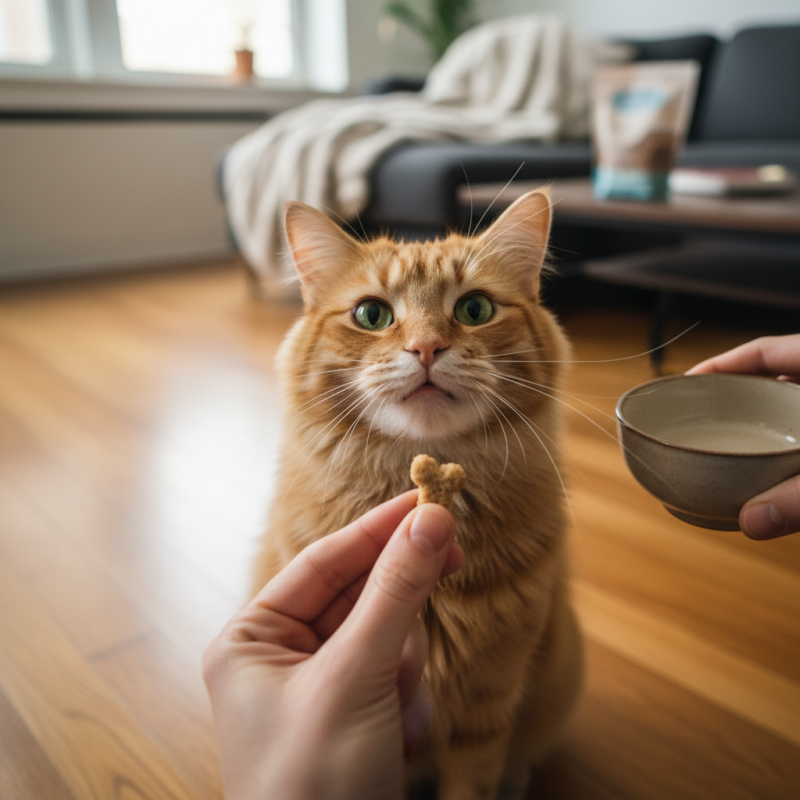
Understanding feline behavior is essential for cat owners. Cats may become addicted to treats due to their instinctual motivations. Treats often contain high levels of protein and fat, which cats naturally crave. The flavors and smells can trigger their hunting instincts. Over time, this creates a strong association between treats and positive experiences.
Pet owners might notice behavioral changes when they introduce treats. Cats may become more vocal or persistent when asking for treats. Some may even exhibit destructive behavior if they can’t access their favorite snacks. It's crucial to maintain a balance. Treats should enhance their diet, not replace regular meals.
Monitoring treat intake is vital. Excessive treat consumption can lead to obesity and health issues. It’s helpful to provide treats in moderation. Engaging cats in play can also distract them from seeking treats. A well-rounded approach helps keep both pet and owner happy. Reflecting on your cat's treat habits may lead to better health outcomes.
This chart illustrates the common effects of treat addiction in cats, highlighting how it can lead to various health and behavioral issues. As indicated, the most prevalent issue is weight gain, affecting 40% of cats who are addicted to treats.
Cats exhibit treat addiction for various reasons. Understanding these causes is crucial for pet owners. One common factor is boredom. Indoor cats might not have enough stimulation. Treats can serve as a quick source of excitement. Sometimes, this becomes an ingrained habit.
Another reason for your cat’s obsession with treats could stem from dietary deficiencies. If their regular food lacks essential nutrients, cats may seek out treats to supplement their diet. Pay attention to their overall health. If they show unusual eating patterns, consult your veterinarian.
Stress can also play a role in this behavior. Cats often seek comfort in their favorite treats, especially during changes in their environment. New pets, moving, or even loud noises can trigger this response. As a pet owner, it’s essential to create a stable environment. Being attentive to your cat's emotional health can foster better eating habits.
Pet owners often wonder why their cats seem obsessed with treats. The answer lies largely in the ingredients used in these snacks. Many cat treats are formulated with high levels of fat and protein, which naturally attract felines. A study from the Journal of Animal Science indicates that cats are more likely to prefer diets rich in animal-based proteins. This preference is rooted in their evolutionary history as obligate carnivores.
However, not all treats are created equal. Many commercial options include artificial flavors and additives, which can also be enticing. Pet owners should check labels before purchasing. The Association of American Feed Control Officials (AAFCO) outlines guidelines for pet food labeling. Yet, some products may still mislead consumers regarding ingredient quality.
It’s essential to strike a balance between indulging your cat and ensuring their overall health. Treats should complement a balanced diet, not replace it. A 2022 survey reported that 65% of pet owners believed treats were essential for bonding. Yet, excessive treat consumption can lead to obesity and other health issues. Monitoring treat intake and selecting higher-quality options is critical for your cat's well-being.
Cats can develop an overdependence on treats. This habit often stems from an owner’s desire to pamper their pet. Treats are convenient and can create a strong bond. However, excessive treat consumption can lead to health issues. Being aware of this is crucial for responsible pet ownership.
To reduce a cat's reliance on treats, start by limiting their availability. Instead of using treats for every good behavior, consider alternative rewards. A gentle stroke or a play session can be just as rewarding. This approach not only diminishes treat dependence but also strengthens emotional connections with your cat.
Try introducing new feeding strategies. Consider using puzzle feeders. These feeders encourage your cat to work for their food, making mealtime engaging. Monitor their dietary needs closely. Adjust portion sizes if you continue to use treats. Regular vet visits will help ensure your cat remains healthy while you transition their diet. Regularly reflect on your approach and be patient with your cat during this process. Change may take time, but it’s rewarding.
| Strategy | Description | Effectiveness | Timeframe |
|---|---|---|---|
| Gradual Reduction | Slowly decrease the amount of treats given. | Moderate | 4-6 weeks |
| Substitute with Play | Replace treat time with interactive play sessions. | High | Immediate |
| Healthy Treat Options | Provide healthier, low-calorie treats. | High | 1-2 weeks |
| Scheduled Feeding | Set specific times for meals and limit treat time. | Very High | 2-4 weeks |
| Cat Training | Use training techniques to reward desired behaviors differently. | Moderate | Ongoing |
Cats can develop cravings for treats, leading to unhealthy habits. A study by the American Veterinary Medical Association reveals that over 50% of cats in the U.S. are overweight or obese. This condition can result from excessive treat feeding. It's essential to explore healthy alternatives and moderation strategies for cat owners.
Introducing fruits and vegetables can provide nutritious options. Small portions of cooked pumpkin or steamed carrots can be appealing. Keep treats to no more than 10% of daily calories. This approach encourages balanced meals. Also, consider using treat-dispensing toys that engage cats mentally and physically. These toys can make treats less accessible, reducing the chance of overeating.
Establishing a treat schedule may help regulate intake. Instead of offering treats at any time, designate specific times. This method provides structure and can decrease your cat's obsession with treats. Remember, moderation is key. Regular vet check-ups can ensure your cat maintains a healthy weight. Reflecting on your cat’s treat consumption can lead to better habits.
: Cats are instinctually motivated by high protein and fat in treats. Flavors can trigger their hunting instincts.
Cats may become more vocal or persistent. Some might act destructively when they can't access treats.
Treats should only enhance the diet, not replace meals. Moderation is key to avoiding health issues.
High levels of fat and protein attract cats. Some treats also contain artificial flavors that entice them.
Always read labels for ingredient quality. Some products may mislead consumers regarding what's inside.
Limit treat availability and use alternative rewards like playtime. This will enhance your bond without over-reliance.
Not all commercial treats are equal. Many include additives that may not be beneficial for your cat.
Consider puzzle feeders to engage your cat. They encourage problem-solving and make mealtime fun.
Yes, regular vet visits are important. They can help monitor your cat's health during dietary changes.
Change may take time. Be patient, and reflect on your approach to achieve better outcomes.
Understanding "why is my cat addicted to treats" involves exploring the behavioral and nutritional factors that contribute to this common issue among pet owners. Cats may develop a strong preference for treats due to their appealing ingredients, heightened flavors, or even emotional associations formed during feeding times. Recognizing these underlying causes is essential for pet owners seeking to manage their cat's treat consumption effectively.
To help reduce overdependence on treats, it is important to implement strategies that promote moderation and healthier alternatives. Offering a balanced diet combined with occasional treats can satisfy your cat's cravings without leading to unhealthy habits. Educating yourself on the benefits of nutritious snacks and engaging your cat in interactive play can not only provide mental stimulation but also reinforce positive behaviors while keeping treat consumption in check.

Curon Pet