Can Treats Really Improve Your Pet's Behavior?

Time:2026-06-07 Author:Sienna
0%

Can treats help improve pet behavior? This question resonates with many pet owners who strive for a harmonious relationship with their furry friends. Effective training often relies on positive reinforcement, and treats can play a crucial role in this process. The right type of treat can motivate dogs and cats, foster trust, and strengthen the bond between pets and owners.

However, the effectiveness of treats varies based on the animal's personality and the type of behavior being targeted. Some pets may respond enthusiastically, while others may seem indifferent. It is important to understand the individual needs of each pet. Not all treats are created equal. Some may be enticing, while others might not appeal to your pet's taste buds. This inconsistency can lead to mixed results, prompting further examination of how to best utilize treats in training.

Ultimately, while treats can enhance training efforts, owners must remain mindful. Overreliance on treats may lead to unhealthy eating habits or behavioral dependency. A thoughtful approach is necessary to ensure that using treats fosters better behavior without creating negative consequences. Exploring this topic can provide valuable insights for pet owners seeking effective ways to improve their pets’ behavior through rewarding experiences.
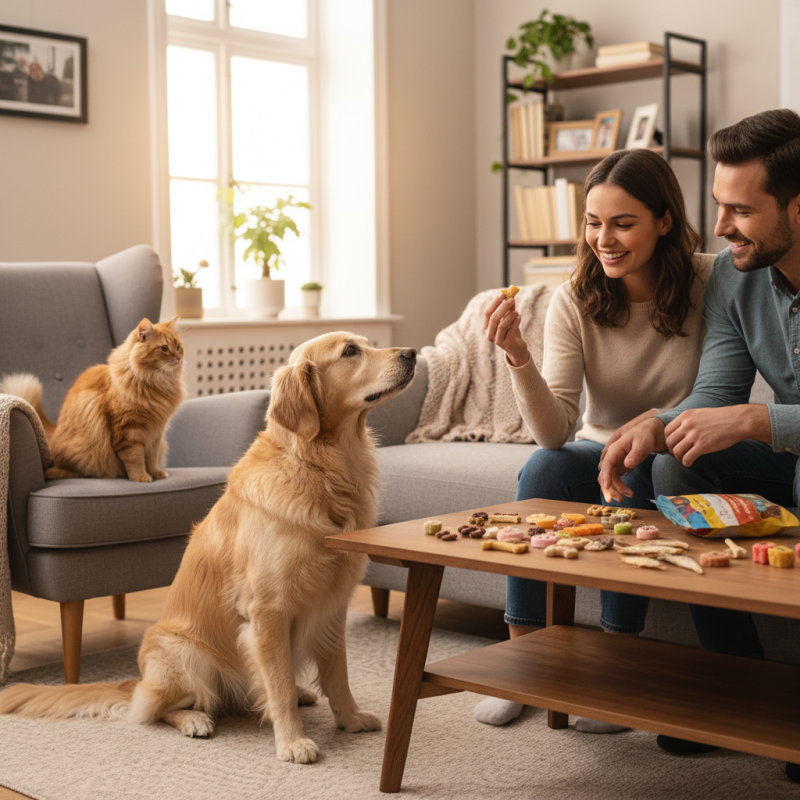
Can Treats Really Improve Your Pet's Behavior?

Exploring the Link Between Treats and Pet Behavior Improvement

Many pet owners use treats to encourage good behavior. But how effective are these rewards? Research suggests that treats can improve pet behavior when used correctly. When a pet receives a treat after performing a desired action, they may associate that behavior with positive reinforcement.

The connection between treats and behavior isn’t foolproof. Some pets may become overly reliant on treats for motivation. This reliance might lead to behavioral issues if the treats are not available. Additionally, not all pets respond the same way to treats. Certain dogs may prefer toys or affection as rewards, making it essential to understand individual preferences.

Timing is crucial too. Giving a treat immediately after the desired behavior strengthens the association. However, delays can confuse pets. Overusing treats can also lead to weight gain, creating health concerns. Finding a balanced approach is important. Using treats strategically, alongside training and playtime, can create a well-rounded strategy for better behavior.

Can Treats Really Improve Your Pet's Behavior?

This chart explores the correlation between the frequency of treat-giving and observed improvements in pet behavior. The data showcases hypothetical percentages of pet owners who reported behavior improvements across different frequencies of treat usage.

The Role of Positive Reinforcement in Animal Training Techniques

Positive reinforcement is a cornerstone in effective animal training. This method involves rewarding desirable behaviors to encourage their recurrence. According to a study by the American Veterinary Society of Animal Behavior, 68% of pet owners found training through rewards more effective than punishment-based methods. Treats, when used appropriately, can create a positive association with training sessions. Pets learn faster when they anticipate a reward.

The timing of rewards is crucial. Praising a pet immediately after it exhibits the desired behavior helps to reinforce the action. In fact, a report indicated that immediate reinforcement can double the likelihood of behavior retention in dogs. However, it is important to monitor treat intake. Excessive rewards can lead to obesity or health issues in pets. Striking a balance is essential. Choose small, healthy treats to prevent overindulgence while maintaining motivation.

Despite these benefits, relying solely on treats may not address all behavior issues. Pets can become treat-dependent, doing only what earns them a reward. This poses a challenge as the trainer must gradually introduce other forms of reinforcement. Observing your pet's unique responses to training can guide your approach. What works for one may not work for another, emphasizing the need for adaptability in training methods.

Scientific Studies on Treats and Their Impact on Canine and Feline Behavior

Can treats really improve your pet's behavior? Scientific studies suggest they can. Many researchers have found that treats can reinforce positive actions in both dogs and cats. For example, when a dog sits on command, giving a treat boosts the likelihood of this behavior being repeated.


One study noted that dogs trained with treats showed higher obedience levels. Similarly, rewards worked well for felines. Cats, like dogs, responded positively to treats after good behavior. The key is consistency.


Tips: Use small, healthy treats for better results. This keeps your pet motivated without overfeeding. Timing is crucial; give the treat immediately after the desired action. Remember, some pets may become too focused on treats. Balance is essential. Monitor your pet’s overall well-being alongside their training. This approach leads to happier pets and stronger bonds.

Behavioral Changes: Quantifying the Impact of Treats in Pet Training

Treats can play a pivotal role in pet training, often leading to visible behavioral changes. When proper reinforcement is applied, pets tend to respond positively. Using treats as rewards can motivate pets to learn new commands or improve manners. Simplistically, giving a treat can turn a stressful situation into a pleasant experience.

Quantifying the impact of treats on behavior reveals fascinating insights. Studies show that pets more readily learn when rewarded with treats. For example, a dog may sit on command more often if a tasty reward follows. Cats too can be enticed into better habits. However, improper use of treats can lead to unintended consequences. Over-reliance may result in pets behaving poorly when a treat is absent. This creates a dependency that might not be healthy.

Pet training should embrace balance. Treats should enhance learning, not replace it. A focus on positive reinforcement, sometimes without treats, encourages a more diverse training approach. It’s essential to monitor how treats impact your pet’s behavior over time. Reflecting on these changes helps improve training techniques. Everyone wants a well-behaved pet, but achieving this requires careful thought and adaptation in methods.

Best Practices: Choosing Treats for Behavioral Modification in Pets

Choosing the right treats for your pet can significantly enhance their behavior. High-quality, natural treats often work best. Dogs and cats respond well to rewards that are appealing. Consider your pet’s preferences. A treat that excites one pet may not interest another.

Look for treats that are low in calories. This is crucial for maintaining their overall health. Small, bite-sized treats can be perfect for training sessions. You can use them to reinforce good behavior. Texture matters too; crunchy or soft can make a difference in motivation.

Be mindful of ingredients. Avoid artificial additives whenever possible. Pets can have sensitivities, and these can affect their behavior. Sometimes, opting for simple, whole ingredients is better. Not every pet reacts the same. It’s essential to observe how your pet responds to specific treats over time. This trial-and-error approach helps refine what works.

FAQS

: How do treats affect pet behavior?

: Treats can improve pet behavior by providing positive reinforcement when used correctly.

Can pets become reliant on treats?

Yes, some pets may rely too heavily on treats, leading to behavioral issues when treats aren't available.

What is the importance of timing when giving treats?

Immediate rewards after desired behaviors strengthen the association. Delays can confuse pets.

How can excessive treat use impact pets?

Overusing treats can lead to weight gain and health concerns, such as obesity in pets.

What alternatives exist to treats for pet motivation?

Some pets may respond better to toys or affection, highlighting individual preferences.

What are some tips for choosing the right treats?

Opt for high-quality, natural treats that are low in calories and tailored to your pet's preferences.

How can I avoid making my pet treat-dependent?

Gradually introduce other forms of reinforcement while monitoring treat intake during training.

Why is it important to observe a pet's response to treats?

Pets may react differently to various treats, so observation helps refine your approach for effective training.

Should I consider treat texture for motivation?

Yes, the texture of treats can influence motivation; crunchy or soft treats may appeal differently to pets.

Is it necessary to avoid artificial additives in treats?

Yes, avoiding artificial additives is best since pets can have sensitivities that affect their behavior.

Conclusion

The article "Can Treats Really Improve Your Pet's Behavior?" explores the connection between treats and behavioral enhancement in pets. It emphasizes the role of positive reinforcement as a foundational technique in animal training. Through an examination of scientific studies, the article highlights how certain treats can indeed influence canine and feline behavior positively. It discusses the importance of quantifying behavioral changes resulting from treat-based training methods and presents best practices for selecting treats that effectively modify pet behavior. Ultimately, it addresses the central question: can treats help improve pet behavior? The findings suggest that when used appropriately, treats can significantly contribute to more effective training outcomes and a better relationship between pets and their owners.

Sienna

Sienna

Sienna is a skilled marketing professional with a deep expertise in our company’s core products and services. With a passion for innovation and detail, she plays a pivotal role in crafting insightful blog posts that not only highlight the unique features of our offerings but also provide valuable......