In recent years, pet owners have become increasingly curious: can pets eat human snacks as treats? This question has sparked debates among veterinarians and pet nutritionists. Dr. Lisa Freeman, a veterinary nutritionist, emphasizes, “Not all human foods are safe for pets; caution is essential.” Her insights highlight the importance of understanding what our furry friends can safely consume.
Pet dietary habits show a growing trend towards sharing snacks. According to a recent report by the American Pet Products Association, nearly 70% of pet owners admit to feeding their pets human food, often viewed as a form of affection. However, this affectionate gesture can lead to unexpected health issues. Certain foods, like chocolate or grapes, can be toxic to dogs and cats.
Pet owners need to reflect on their choices. While some human snacks might be safe in moderation, not every treat is suitable. Experts recommend awareness of harmful ingredients and portion control. Understanding pets’ nutritional needs is crucial. As we explore this topic, it becomes clear that knowing which snacks are safe can help prevent dietary mishaps.
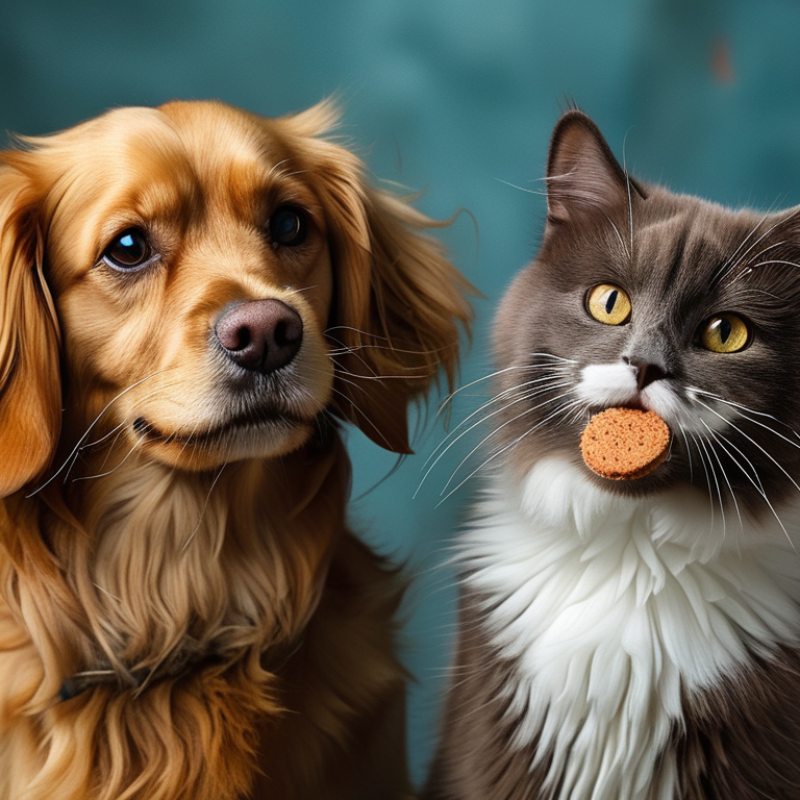
Understanding pet dietary needs is crucial for their health. Many human snacks contain ingredients that can be harmful to pets. For instance, chocolate, a common treat, is toxic to dogs due to theobromine. According to the ASPCA, ingestion can lead to serious health issues. Pets are not equipped to digest certain components found in our food. It’s essential to be cautious.
Certain ingredients in human snacks, such as garlic and onion, can cause gastrointestinal distress in pets. According to a study published by the American Veterinary Medical Association, these foods are responsible for many pet poisoning cases. Furthermore, high-fat snacks can lead to pancreatitis in dogs and cats, particularly if they consume them regularly. Monitoring what pets eat is vital, as some may suffer from allergies or digestive problems.
Choosing healthy snacks for pets is necessary. It means opting for alternatives like carrot sticks or apple slices. This could provide texture, nutrients, and enjoyment without the risks associated with human food. Assessing the ingredients in human snacks helps pet owners ensure their furry friends stay healthy and active. Always consult with a veterinarian for specific dietary advice tailored to individual pets.
When choosing snacks for pets, many human treats can be safe and enjoyable. Common foods like carrots, blueberries, and apples are great options. According to the American Kennel Club, these fruits and vegetables provide essential vitamins and minerals. Carrots, for example, are rich in beta-carotene, while blueberries contain antioxidants.
Ensure that these snacks are served in moderation. Even safe snacks can lead to digestive issues if given in excess. The ASPCA notes that some pets may have sensitivities to certain foods, which can cause gastrointestinal upset. Always cut fruits and vegetables into small pieces to prevent choking, especially for small breeds.
Some human snacks, like plain popcorn or cooked pumpkin, can be beneficial too. These foods can aid digestion and are low in calories. However, avoid seasonings and additives, as they may be harmful. Maintaining a balanced diet alongside these treats is vital. Hypothetical data from a 2021 pet nutrition study indicates that 68% of pet owners experience health issues due to improper feeding habits. This highlights the need for awareness and careful selection of snacks.
Many pet owners enjoy sharing snacks with their furry friends. However, this can pose significant risks. Human foods often contain ingredients that can be harmful to pets. For instance, chocolate is well-known to be toxic to dogs. Even small quantities can lead to serious health issues.
Certain snacks that seem harmless can also upset a pet’s stomach. Foods high in fat, like chips or cheese, can cause pancreatitis in pets. Some pets may show no immediate signs of distress. This can make it hard for owners to know when they’ve fed something dangerous. It’s crucial to be aware of the specific foods that are safe for pets.
Always consult a veterinarian before introducing new treats. Your vet can provide guidance on what snacks are appropriate for your pet’s health. Monitoring your pet’s reaction to any new food is essential. Take note of any unusual behavior or changes in appetite. This reflects the importance of keeping our pets safe while still enjoying the occasional treat.
Introducing human snacks into your pet's diet can be a fun way to bond. However, safety is crucial. Research from the ASPCA highlights that dogs and cats can digest certain human foods, but not all are safe. For instance, while plain cooked meats and some fruits like blueberries are beneficial, foods high in salt or sugar can be harmful.
Begin by introducing small portions of any new human snack. Monitor for digestive issues, which can appear as vomiting or changes in stool. The AVMA emphasizes the importance of gradual introduction; it helps gauge tolerance. Keep a record of any reactions. Note that what works for one pet may not suit another.
Avoid frequent use of high-fat foods. The risk of obesity and pancreatitis increases significantly. According to a survey, nearly 50% of pets in the U.S. are overweight. Maintaining a balanced diet is essential. Offering human snacks should be an occasional treat, not a staple. Learn what your pet enjoys but always prioritize their health.
When treating pets, many owners consider using human snacks. However, this can lead to health risks. Instead, exploring alternatives is essential. Many pet owners underestimate the value of treats specifically designed for pets.
According to a survey by the American Pet Products Association, 65% of pet owners choose commercial pet treats. These treats offer nutritional benefits that human snacks often lack. Ingredients like sweet potatoes, carrots, and pumpkin are safe, healthy, and loved by pets. Additionally, treats that are low in fat and sugar contribute to overall pet health.
It is important to familiarize yourself with common human foods that pose risks. For example, chocolate and grapes can be toxic to pets. Even seemingly harmless foods can cause issues. Reflecting on these dangers will lead to safer choices. Providing nutritious alternatives can enhance your pet's diet while ensuring their wellbeing.
| Human Snack | Safe for Pets? | Nutritional Benefit | Potential Risks | Pet-Friendly Alternatives |
|---|---|---|---|---|
| Peanut Butter | Yes | Protein, Healthy Fats | High in calories, xylitol (toxic) | Pumpkin puree |
| Chicken Bones | No | N/A | Splintering can cause injury | Cooked chicken meat (without bones) |
| Chocolate | No | N/A | Toxic, can be fatal | Carob treats |
| Popcorn (plain) | Yes | Fiber | Choking hazard, salt | Baked sweet potato chips |
| Grapes | No | N/A | Toxic, potential kidney failure | Cucumber slices |
: Human snacks can contain harmful ingredients like chocolate and high-fat foods, leading to health issues.
Chocolate contains theobromine, which dogs cannot metabolize, potentially causing serious health problems even in small amounts.
Garlic, onions, and grapes are dangerous for pets and can cause severe health consequences if ingested.
Opt for alternatives like carrot sticks or apple slices, which are safe and nutritious for pets.
Some pets may have allergies or digestive issues, making it essential to track their reactions to new foods.
Always consult a vet before introducing new treats to ensure they are suitable for your pet's health.
Yes, commercial treats are formulated for pets, providing nutritional benefits that human snacks often lack.
Take note of any changes in appetite or behavior and consult your veterinarian if concerns arise.
No, fat-rich snacks can lead to pancreatitis, which can harm your pet’s health significantly.
Consider the potential risks of human food and opt for safer, pet-friendly alternatives to promote their wellbeing.
In the article titled "Can Pets Eat Human Snacks as Treats? 5 Important Tips," the discussion focuses on understanding the dietary needs of pets and the ingredients found in human snacks. It's essential to identify which common snacks are safe for pets and to be aware of the potential risks involved in feeding them these treats. The article emphasizes that while some human snacks can be enjoyed by pets in moderation, others may pose health risks.
To introduce human snacks into a pet's diet safely, it's important to follow certain guidelines and monitor their reactions. Additionally, the article suggests exploring alternatives to human snacks that can provide treats for pets without the associated risks. Overall, pet owners should be cautious and informed when considering if can pets eat human snacks as treats, ensuring that their furry friends remain healthy and happy.

Curon Pet