10 Best Treats to Improve Pet Behavior?

Time:2026-10-15 Author:Liam
0%

Can treats help improve pet behavior? Often, yes, when they are used thoughtfully and paired with clear training. A small, soft treat can mark a calm sit, a quiet greeting, or a gentle response to handling. Timing matters. The reward should arrive within seconds, while the desired behavior is still fresh.

Karen Pryor, a pioneer of clicker training, explains, “Reinforcement is anything that increases the likelihood that a behavior will occur again.” Her statement captures the central principle behind reward-based training. Treats do not magically remove fear, aggression, boredom, or pain. They simply make useful behaviors more rewarding. That difference matters.

In practice, owners should choose treats appropriate for the pet’s size, age, health, and daily calorie needs. A pea-sized piece may suit a small dog. A softer option may help during repeated training. Cats might respond to tiny flakes of cooked meat or their regular food. Always check ingredient labels and ask a veterinarian about allergies or weight concerns.

My own experience also shows a limitation. I have sometimes rewarded a pet too quickly, before the behavior was complete. Confusion followed. Better timing produced clearer results. This guide examines ten practical treats and explains when each choice may support better behavior. It also considers portion control, motivation, safe alternatives, and situations requiring professional help. Progress can look uneven. That is normal. Consistency, patience, and careful observation usually matter more than expensive treats.
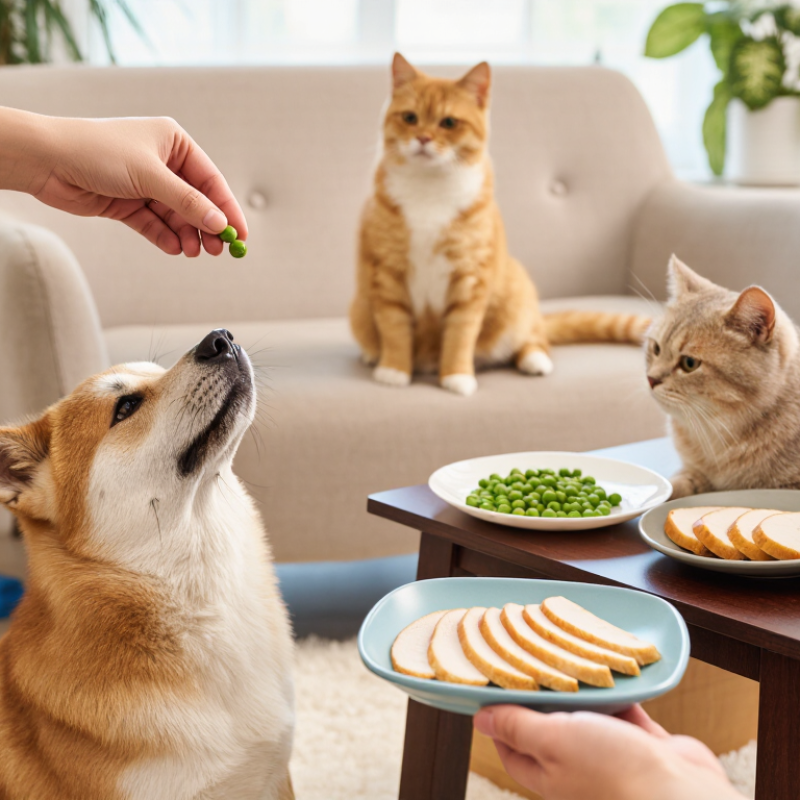
10 Best Treats to Improve Pet Behavior?

What Makes a Treat Effective for Improving Pet Behavior

What Makes a Treat Effective for Improving Pet Behavior

An effective treat is small, safe, appealing, and easy to deliver immediately. Timing matters more than price. Give the reward within one or two seconds after the desired behavior. This helps pets connect sitting, waiting, or calm walking with a clear outcome. Soft treats often work well during training because pets can eat them quickly. However, some animals prefer crunchy pieces or ordinary food from their daily meal. Preference is individual.

Portion size deserves serious attention. The Association for Pet Obesity Prevention reported that 59% of dogs and 61% of cats were overweight or obese in its 2022 survey. The WSAVA Global Nutrition Guidelines recommend keeping treats below 10% of daily calories. A pea-sized piece may be enough. For larger rewards, reduce the regular meal slightly. Avoid treats that cause digestive upset, excessive excitement, or guarding behavior.

In practical training, I would test three textures and observe body language. Is the pet focused, relaxed, and eager to repeat the behavior? If the animal grabs roughly, wanders away, or ignores the treat, the reward may be wrong. That is easy to miss. I sometimes reward too generously, especially when progress feels exciting. A simple log can reveal whether the treat improves behavior or merely adds calories. Veterinary advice is important when allergies, obesity, or medical diets are involved.

How to Choose Safe Treats for Different Pets and Goals

Choosing the best treat depends on your pet’s species, health, size, and training goal. A treat should support behavior, not replace balanced nutrition. Keep treats below about 10% of daily calories, and reduce meal portions when needed.

For dogs, useful choices include plain cooked turkey, carrot pieces, green beans, pumpkin, and a species-appropriate dental chew. Use tiny pieces for recall, calm greetings, or leash practice. For cats, plain cooked chicken and single-protein freeze-dried meat can reward handling or carrier training. Rabbits may enjoy small amounts of parsley or romaine, but hay should remain their main food. For pet birds, a few millet seeds can encourage step-up training. These ten options are not universal. A dental chew may be unsuitable for a dog with weak teeth, while rich meat may upset a sensitive cat.

Read the ingredient list carefully. Avoid seasoned foods, onion, garlic, chocolate, grapes, and products containing xylitol. Choose treats that match your pet’s chewing ability, age, and medical needs. Ask a veterinarian before changing food for pets with allergies, diabetes, kidney disease, or obesity. Watch stool, energy, and skin after introducing anything new. The imperfect part is judging by enthusiasm. A pet may adore a treat, then develop stomach trouble hours later. Start with a crumb-sized portion and record what happens. Fresh water should always be available.

10 Best Treats to Improve Pet Behavior

Typical energy per 10 g edible portion: lower-calorie treats are useful for frequent rewards, while higher-calorie foods can be reserved for difficult behaviors.

Values are approximate averages based on generic food-composition data and can vary by preparation. Use plain, unseasoned foods only: remove apple seeds, bones, and pits. Treats should generally stay within 10% of daily calories. Never offer chocolate, grapes or raisins, onions, garlic, or xylitol-containing products. Rabbits and birds require species-specific portions and should not receive meat-based treats.

Using Treats to Reward Desired Behaviors Step by Step

10 Best Treats to Improve Pet Behavior: Using Treats to Reward Desired Behaviors Step by Step

Effective treat training starts with timing, not expensive ingredients. Choose tiny pieces of regular kibble, cooked chicken, turkey, lean beef, fish, egg, carrot, green bean, apple without seeds, or single-ingredient freeze-dried meat. For cats, meat-based options usually work better. Keep each piece smaller than a pea. The reward should follow the behavior within one second. Say a calm cue, wait for the action, mark it with “yes,” then deliver the treat at nose level. Practice beside the door, near the leash, or beside a scratching post.

Use treats for sitting, coming when called, gentle handling, quiet waiting, and choosing a toy. Begin in a quiet room. Add distractions slowly. Give three rewards for easy repetitions, then pause. If your pet stops responding, the environment may be too difficult. My common mistake is rewarding too late. That can reinforce jumping instead of four paws on the floor. Rewatching short training videos helps reveal this timing problem.

Portion control matters. The WSAVA Global Nutrition Toolkit recommends keeping treats below 10% of daily calories. This is important because the Association for Pet Obesity Prevention reported that 59% of dogs and 61% of cats were overweight or obese in its 2022 survey. Measure the day’s treats in advance. Reduce meals slightly when needed, with veterinary guidance. Avoid foods containing toxic ingredients, bones, or choking hazards. Reward-based methods align with the American Veterinary Society of Animal Behavior’s guidance, though every pet learns differently. One approach will not fit every household.

Common Training Mistakes That Can Reduce Treat Effectiveness

10 Best Treats to Improve Pet Behavior?

Common Training Mistakes That Can Reduce Treat Effectiveness

The best reward is not always the tastiest one. It is the treat your pet values during that specific lesson. Useful options include tiny pieces of cooked chicken, turkey, fish, egg, soft training food, freeze-dried meat, crunchy kibble, carrot, pumpkin, and small cheese pieces. Choose plain ingredients and avoid foods that are toxic or unsuitable for your animal. A veterinarian can help with allergies, weight concerns, and special diets.

Timing matters more than quantity. Give the treat within one or two seconds of the desired action. Waiting too long may reward jumping, barking, or wandering away.

I have made this mistake myself. My dog sat politely, but I reached for the pouch too slowly. He received the reward after standing up. That taught the wrong lesson.

Large treats can interrupt training and quietly add too many calories. Break them into pea-sized pieces, even when your pet acts hungry. Another common error is rewarding every behavior forever. Once a response becomes reliable, vary the rewards, praise, play, or access to a favorite activity. Do not remove food suddenly. Reduce it gradually while keeping expectations clear. Repeating commands also weakens their meaning. Say the cue once, pause, and guide gently when needed. Keep sessions short. End while your pet still wants to participate. Mistakes happen. Review the exact moment the reward arrived, because that detail often explains the behavior.

Measuring Progress and Adjusting Treat-Based Behavior Plans

10 Best Treats to Improve Pet Behavior?

Measuring Progress and Adjusting Treat-Based Behavior Plans

Effective treat training begins with a clear behavior target. Choose tiny, safe rewards that your pet can eat quickly. Useful options include cooked chicken, turkey, lean beef, fish, egg, pumpkin, carrot, apple without seeds, soft training pieces, and ordinary kibble. A veterinarian can help check portions, allergies, and health restrictions.

During each session, I record three details: the behavior, the reward used, and the response time. For example, a dog may sit within five seconds in a quiet room but struggle near a busy doorway. That difference matters. I also track successful attempts out of ten, not just exciting breakthroughs. Progress should look measurable.

Keep sessions short. Five minutes may be enough. When success reaches about eight out of ten attempts, reduce treat size or increase the distance from the trigger. Do not change both at once. If performance drops sharply, the task became too difficult, or the reward lost value. Try a softer treat, a calmer location, or an easier step.

I once rewarded too slowly. The pet repeated the wrong movement. That mistake reminded me to watch timing, not only treat quality. Some pets also gain weight quietly, despite tiny portions. Count rewards within the daily food allowance. A qualified behavior professional can review confusing patterns, especially when fear, aggression, pain, or sudden changes appear.

10 Best Treats to Improve Pet Behavior? - Measuring Progress and Adjusting Treat-Based Behavior Plans

Positive reinforcement works best when a small, safe reward is delivered immediately after the desired behavior. Calorie values below are practical estimates and can vary by preparation, size, and moisture content. Treats should generally provide no more than about 10% of a pet’s daily calories, with the remainder coming from a complete and balanced diet.

# Treat Option Best-Suited Pets Approx. Energy per Small Piece Useful for Teaching Safety and Portion Notes Progress Measure Adjustment Rule
1 Cooked, unseasoned chicken Dogs and cats About 5–8 kcal per 5 g Recall, attention, calm handling, and new behaviors Serve plain and fully cooked; remove bones and skin. Avoid onion, garlic, sauces, and heavy seasoning. Record the percentage of correct responses in each five-minute session. If the pet responds correctly at least 8 out of 10 times, reduce the piece size or increase the distraction slightly.
2 Cooked, lean turkey Dogs and cats About 5–8 kcal per 5 g Loose-leash walking, check-ins, and settling on a mat Use plain lean meat only; avoid deli meat, brine, skin, bones, onion, and garlic. Track the number of voluntary eye contacts during a two-minute walk. If attention drops below 60%, reduce distractions or switch temporarily to a higher-value reward.
3 Cooked egg Dogs and cats About 7–8 kcal per 10 g Low-intensity skills and cooperative grooming practice Serve fully cooked and plain. Introduce small amounts first to monitor digestive tolerance. Count calm responses to a brief touch, brush, or paw-handling cue. Increase handling duration by only a few seconds when at least 80% of responses remain relaxed.
4 Carrot pieces Many dogs; some cats may accept them About 2–4 kcal per 10 g Frequent reinforcement for basic cues and calm waiting Cut into small, manageable pieces; supervise chewing and account for fiber and carbohydrates. Measure latency: seconds from the cue to the correct response. If the response takes longer than five seconds repeatedly, use a more motivating reward or simplify the cue.
5 Green bean pieces Many dogs; some cats may accept them About 2–3 kcal per 10 g High-frequency practice when calorie control is important Use plain fresh or cooked beans; avoid canned products containing excess sodium or seasoning. Log the number of repetitions completed without jumping, pawing, or barking. Reward calm behavior more often than unwanted behavior; pause if arousal increases.
6 Small apple pieces Dogs; some cats may accept them About 5 kcal per 10 g Simple cues and calm behavior during short sessions Remove seeds, core, and stem; use small portions because fruit contains natural sugar. Compare the number of successful responses across three consecutive sessions. If performance varies widely, shorten sessions and practice in a quieter environment.
7 Plain pumpkin purée Dogs and cats About 3–4 kcal per 10 g Lickable reinforcement for calm stationing or gentle handling Use plain purée, not pie filling; introduce gradually and stop if digestive upset occurs. Measure calm duration on a mat in 30-second intervals. Add 15–30 seconds only after the pet remains relaxed in at least four of five trials.
8 Plain low-fat yogurt Dogs that tolerate dairy; generally less suitable for lactose-sensitive pets About 6–10 kcal per 15 g Lick-mat training, settling, and cooperative care Choose plain, unsweetened yogurt; never use products containing xylitol or other sweeteners unsafe for pets. Record relaxation signals such as loose posture and reduced vocalization. Stop and choose another reward if loose stool, gas, itching, or discomfort appears.
9 Freeze-dried single-ingredient meat Dogs and cats About 3–8 kcal per small piece High-distraction environments and difficult behaviors Check the ingredient and calorie labels; use tiny pieces and provide water, especially with dry treats. Track success rate when distance from a distraction is gradually reduced. Increase difficulty only when the pet succeeds at least 80% of the time at the current level.
10 Regular daily food used as rewards Dogs and cats, when accepted by the individual pet Use the food’s label; often about 3–5 kcal per gram for dry food Routine practice and high-volume training Measure the daily portion in advance and subtract training calories from the meal allowance. Monitor body weight, body condition, and weekly training accuracy. If weight increases, reduce food calories appropriately with veterinary guidance rather than removing needed nutrition.
Planning note: Use a consistent marker such as “yes” or a clicker, deliver the reward within about one to two seconds of the desired behavior, and keep a simple record of success rate, response time, distraction level, and body weight. Consult a veterinarian before changing treats for pets with diabetes, pancreatitis, kidney disease, food allergies, obesity, or other medical conditions.

FAQS

What makes a treat effective during pet training?

Choose something small, safe, appealing, and quick to eat. Timing matters more than price. Give it within one or two seconds.

How large should training treats be?

Pea-sized pieces usually work well. Large rewards can interrupt practice and add hidden calories. Smaller is often enough.

How many treat calories can a pet receive daily?

Keep treats below about 10% of daily calories. Reduce the regular meal when necessary. A simple food log can reveal mistakes.

Which treats may suit different pets?

Dogs may enjoy plain turkey, carrots, green beans, or pumpkin. Cats may prefer plain chicken. Rabbits need hay as their main food.

What foods should pet owners avoid?

Avoid seasoned foods, onion, garlic, chocolate, grapes, and xylitol-containing products. Keep fresh water available. Safety comes first.

How can owners choose between soft and crunchy treats?

Test different textures and watch body language. A focused, relaxed pet may be ready to learn. Preference varies widely.

What timing mistake can weaken training?

Waiting too long may reward jumping, barking, or wandering. I have made this mistake myself. The reward arrived after the behavior changed.

When should food rewards be reduced?

Reduce them gradually after the behavior becomes reliable. Add praise, play, or access to a favorite activity. Do not change everything suddenly.

How can owners notice an unsuitable treat?

Watch stool, energy, skin, and excitement after introduction. Start with a crumb-sized portion. Enthusiasm alone can mislead you.

When is veterinary advice important?

Ask a veterinarian about allergies, obesity, diabetes, kidney disease, weak teeth, or medical diets. Small details matter.

Conclusion

Can treats help improve pet behavior? Yes, when they are used thoughtfully and consistently. An effective treat should be safe, appealing, easy to break into small portions, and appropriate for the pet’s size, age, health, and training goal. Choose simple, suitable options and consider dietary restrictions, allergies, and calorie intake. Treats work best when given immediately after a desired behavior, such as sitting calmly, responding to a cue, walking politely, or using an appropriate place for elimination. Pair the reward with clear verbal praise so the pet gradually learns which action earned it.

Avoid rewarding unwanted behavior, offering treats too late, using portions that are too large, or repeating cues without allowing the pet time to respond. Keep training sessions short, positive, and consistent among all caregivers. Track progress by noting how often the desired behavior occurs and how much prompting is needed. As the pet improves, gradually reduce treat frequency while continuing to reinforce good behavior with praise, play, or occasional rewards.

Liam

Liam

Liam is a dedicated marketing professional with a profound expertise in the industry, where he excels at highlighting the unique advantages of our core products. With a keen understanding of market trends and consumer needs, Liam frequently updates our company’s professional blog, providing......