Training a dog requires more than just commands and patience. The right treats play a crucial role in this process. According to Dr. Jane Smith, a renowned canine behaviorist, “Treats must be enticing, or training will stall.” Her expertise underscores the significance of choosing the right snacks.
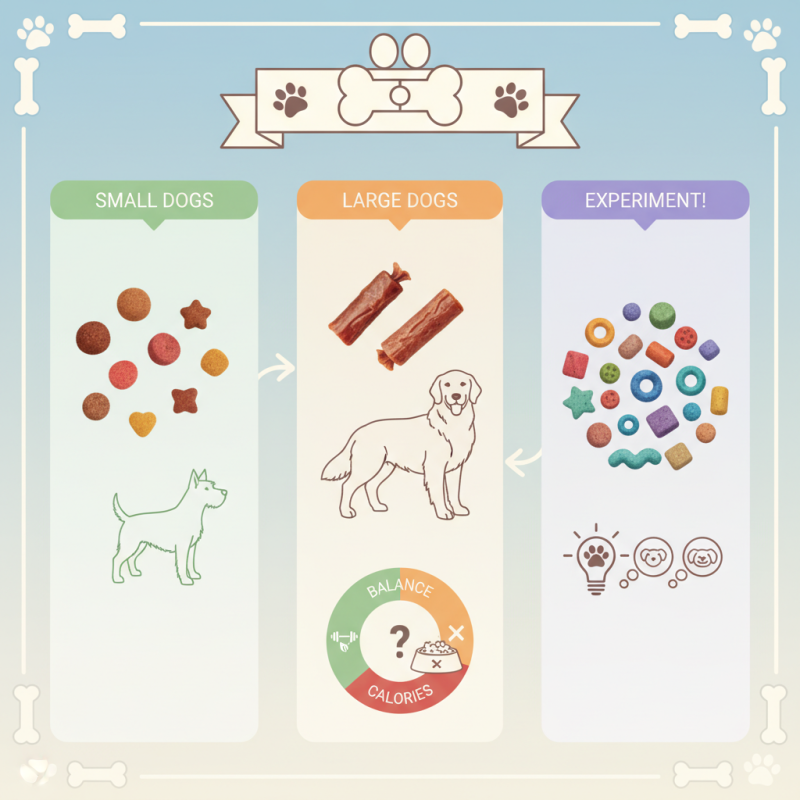
Dog owners often wonder, "what treats are best for training dogs?" The answer isn't straightforward. Preferences vary by dog breed, size, and personality. For instance, small dogs might respond better to tiny, soft treats. Meanwhile, larger breeds may prefer heartier options. It's essential to consider what your dog genuinely enjoys, as this can dramatically impact their motivation to learn.
Additionally, some treats can be too rich or high in calories, which could lead to health issues. Striking a balance is vital. Experimenting with various flavors and textures could yield better results. However, not every dog will react the same way. Training can be a trial-and-error process, but the right treats can make all the difference.
Types of Treats Suitable for Dog Training
When it comes to dog training, selecting the right treats is crucial. Soft, moist treats are often favored because they are easier for dogs to chew and swallow quickly. This allows for faster rewards and helps keep dogs focused during training sessions. Small pieces are ideal, as they can be given frequently without overwhelming the dog’s diet. Choosing treats with strong scents can also enhance a dog's motivation to learn.
High-value treats, such as pieces of cooked chicken or cheese, are excellent options for challenging tasks. These can grab a dog's attention effectively, especially in distracting environments. However, every dog is different. Some may prefer crunchy treats or even fruits like apple slices. It's important to experiment and observe which treats yield the best response for your dog. Training is a process, and relying on a single type of treat may not always work.
Consider the overall health of your dog. Treats should contribute to their diet but not overpower it. If your dog seems uninterested, reflect on what you’re offering. Sometimes, the best option may be a simple pat or praise instead. Trust your instincts, adjust as needed, and keep the training enjoyable. Creating positive associations will help your dog learn and grow.
Effectiveness of Different Dog Training Treats
Nutritional Considerations for Training Treats
When selecting treats for dog training, nutritional considerations are vital. Dogs require a balanced diet for optimal performance and overall health. The Association of American Feed Control Officials (AAFCO) emphasizes the importance of high-quality ingredients. Treats should be low in calories to prevent excessive weight gain. Studies suggest that the ideal training treat should contain no more than 10% of a dog’s daily caloric intake.
Choosing treats rich in protein can enhance a dog's focus and motivation. Protein helps support muscle development and repairs tissue after training sessions. Many trainers recommend treats with real meat or fish. However, be wary of fillers and artificial additives that may offer little nutritional value.
Tip: Always cut treats into smaller pieces during training. This method reduces calorie intake while keeping your dog engaged. Utilizing treats with various textures and flavors can also maintain interest.
Keep in mind that even nutritious treats can lead to poor training results if overused. Monitor your dog's reactions to different treats. Some dogs might become picky or lose interest. Adjust the type or size of the treat based on what your dog enjoys most. Checking ingredient labels is essential; high-quality components ensure both safety and health benefits for your pet.
Size and Texture: Choosing the Right Treats for Dogs
When training dogs, the size and texture of treats play crucial roles. A study from the Association of Professional Dog Trainers highlights that 70% of trainers recommend using small, soft treats during training sessions. These treats are easy for dogs to chew quickly, allowing for faster rewards. Quick reinforcement proves to be effective. A soggy treat may not be ideal. Dogs can get distracted, especially in training environments.
The texture matters too. Crumbly treats can create a mess, while chewy ones allow for engagement. In a survey, trainers noted that 65% of them preferred treats that dogs could easily swallow. Small, crunchy bites often lead to more focus, as dogs are less likely to lose attention chewing. For dogs, the thrill of receiving treats also depends on the feel. A combination of sizes and textures may help maintain interest.
Some dog owners overlook the importance of variety. Dogs can become bored with the same treats, losing motivation to learn. Experts suggest mixing up types of treats to stimulate excitement. Despite all this, trainers emphasize observing individual dog preferences. Not every dog reacts the same way. What works for one may not work for another, so reflection and adjustment are integral to effective training.
What Treats Are Best for Training Dogs Effectively?
| Treat Type |
Size |
Texture |
Ideal for Training |
| Soft Chewy Bites |
Small |
Soft |
Yes |
| Crunchy Biscuits |
Medium |
Crunchy |
Yes |
| Mini Jerky Pieces |
Small |
Chewy |
Yes |
| Liver Treats |
Small |
Soft |
Yes |
| Training Rolls |
Large |
Soft |
Yes |
| Freeze-Dried Treats |
Small |
Crunchy |
Yes |
Timing and Frequency: How to Use Treats in Training Sessions
Timing and frequency play a crucial role in using treats effectively during dog training sessions.
Immediate reward after a correct behavior reinforces that behavior.
This timing helps your dog connect the action with the treat. It’s essential to offer the treat right away.
If you wait too long, your dog may not understand what they did right.
Frequency of treats is also important. Start with a higher frequency when teaching a new command.
As your dog learns, gradually reduce the treats. This approach helps maintain enthusiasm while encouraging your dog to work for praise and other rewards.
Remember, some dogs may not respond well to constant treats. It's vital to observe your dog’s reactions.
In addition, consider the type of treat you use.
Soft, smelly treats often catch your dog’s attention more than dry ones.
Small sizes are beneficial, too. They allow quick rewards without filling your dog up.
Reflect on your training sessions. Are you using treats effectively?
Are they truly motivating your dog?
It’s worth revisiting your approach to find what works best.
Alternatives to Commercial Treats for Dog Training
When it comes to dog training, many trainers rely heavily on commercial treats. However, there are effective alternatives that can improve your dog's learning experience. Using food from your own kitchen can be a great way to train. Foods like diced chicken, carrots, or even bits of cheese can motivate your dog while also offering health benefits. These options are often more appealing and fresh than store-bought treats.
Simple alternatives can enhance your dog's engagement. Many dogs respond well to fruits like apples or blueberries. They are low in calories and full of nutrients. Another option is to use dry kibble from your dog's regular diet as rewards. This not only reinforces their training but also keeps their caloric intake in check. It's essential to observe your dog’s reactions to these alternatives; some may prefer softer treats while others might like crunchier ones.
Training your dog effectively may require some trial and error. You might find that your dog loves a particular fruit but ignores it the next day. It's a learning process for both you and your canine companion. Pay attention to your dog's body language and preferences. With patience and creativity, you can discover the best treats that encourage effective training sessions.
Conclusion
When considering what treats are best for training dogs, it's essential to focus on various types suitable for effective learning, including both commercial and homemade options. Nutritional considerations should guide your choice, ensuring that treats are healthy and support your dog's overall well-being. Additionally, the size and texture of treats play a crucial role; smaller, soft treats are often ideal as they can be quickly consumed during training sessions without detracting from focus.
Timing and frequency of treat delivery are equally important for reinforcing positive behaviors. Rewarding your dog immediately after a desired action helps them associate the behavior with the treat. Lastly, exploring alternatives to commercial treats, such as fruits and vegetables, can provide a nutritious and engaging training experience. By thoughtfully selecting treats based on these factors, you can effectively enhance your dog's training process.

 Curon Pet