Choosing the 2026 best cat treats is not simply about finding the loudest crinkly bag. It is about understanding your cat’s appetite, health, and daily routine. Many cats recognize a treat drawer before dinner begins. Their pupils widen, tails rise, and paws may tap the cabinet door. But why is my cat addicted to treats? Often, the answer combines strong smells, rich flavors, learned behavior, and frequent rewards. Cats can quickly connect a sound or gesture with something delicious.
A reliable choice should include clear ingredients, suitable calories, and a texture your cat can safely manage. Look for named animal proteins and avoid products with confusing ingredient lists. Treats should support meals, not replace them. Veterinary nutrition guidance commonly recommends keeping extras limited, especially for overweight cats or those with medical conditions. A tiny salmon-flavored bite can still matter when repeated ten times daily. That surprised me when tracking my own cat’s portions. I also learned that “natural” does not automatically mean nutritionally complete.
This guide examines popular treat types, ingredient quality, training value, and practical feeding limits. It considers kittens, senior cats, sensitive stomachs, and picky eaters. Your cat’s response may not match online reviews. Watch for vomiting, diarrhea, itching, unusual thirst, or sudden weight changes. Stop and contact a veterinarian when symptoms appear. The best treat is not always the most expensive one. It is the one your cat enjoys, tolerates, and receives responsibly.
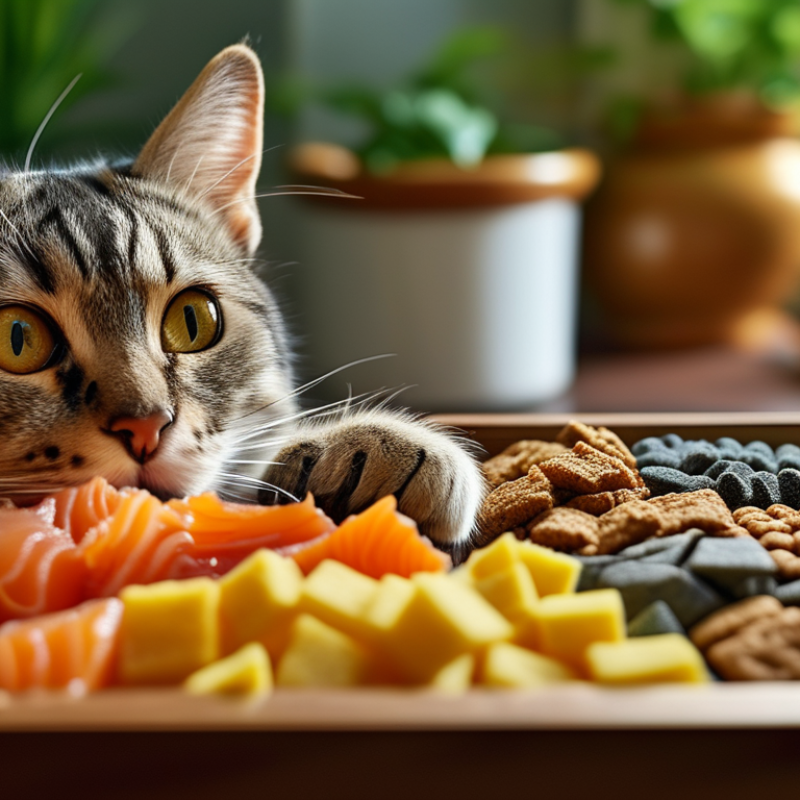
Cat Treats Explained: Palatability, Habit, and Addiction-Like Feeding Cues
2026 Best Cat Treats: Why Is My Cat Addicted?
Cat treats can seem addictive, but “addiction” is usually an informal description. Most cats respond to strong smell, rich taste, and predictable rewards. Palatability matters. A soft, aromatic bite may feel more exciting than ordinary food, especially after the cat hears a cupboard door or a crinkling pouch.
In daily feeding, cues can become powerful. Your cat may appear the moment you touch the container. Repetition teaches this sequence: sound, approach, treat. Hunger, boredom, and attention can strengthen it. The behavior looks compulsive, but it often reflects habit and learned expectation. Still, every cat is different. Some are food-driven; others barely notice treats.
A practical approach is to check calories and ingredients on the label. Treats should remain a small part of daily intake, with fresh water always available. Veterinary professionals can help when begging becomes intense, weight changes appear, or normal meals are refused. I have seen owners blame the treat too quickly, while ignoring inconsistent feeding times. That is an easy mistake. Measure portions, offer rewards for calm behavior, and sometimes use part of the regular meal as reinforcement. Never reward constant vocalizing every time. It may work today, then create a louder pattern tomorrow.
Measure Treat Safety with WSAVA’s Under-10%-of-Daily-Calories Rule
A cat begging for treats may look addicted, but learned behavior often explains it. Strong aromas, crunchy textures, and repeated rewards can create persistent demands. The WSAVA Global Nutrition Toolkit advises keeping treats below 10% of daily calories. This protects the nutritional balance of the main diet.
For example, a cat eating 200 daily calories should receive no more than 20 treat calories. Check the label for kcal per piece, not merely the packet size. One small bite may contain more calories than expected. The Association for Pet Obesity Prevention estimated that 61% of surveyed cats were overweight or obese in 2022. Treat calories can quietly support that trend.
Use play, grooming, or a food puzzle when your cat asks again. Measure the day’s portion before opening the container. It is easy to miscount during busy evenings. I would also reduce meal calories only with veterinary guidance, especially for kittens, older cats, or cats with medical conditions. The 10% rule is useful, but it is not a perfect target for every animal. A veterinary professional can calculate individual energy needs and review the complete diet. WSAVA also recommends evaluating body condition, weight changes, and feeding behavior rather than trusting appetite alone. Small changes matter.
Rank 2026’s Best Cat Treats by AAFCO Nutrient and Labeling Standards
2026 Best Cat Treats: Why Is My Cat Addicted?
Rank 2026’s Best Cat Treats by AAFCO Nutrient and Labeling Standards
A cat’s “addiction” usually reflects strong aroma, fat, or texture rather than true chemical dependence. In my label checks, the most appealing treats often smell intense when opened. That reaction can become a learned routine. Still, palatability should not replace nutritional judgment.
For 2026, I would rank treats by label clarity and intended use. Top-ranked treats clearly state they are for intermittent or supplemental feeding. They list ingredients, guaranteed analysis, calorie information, net quantity, feeding directions, and responsible manufacturer details. AAFCO does not approve individual products. Its nutrient profiles and model labeling rules help guide compliant pet-food claims. Treats should not imply “complete and balanced” unless they meet the relevant requirements.
A second tier includes simple, recognizable ingredients and moderate calories. Freeze-dried meat pieces may fit here, but nutrient balance can vary. Soft treats with several flavoring agents deserve closer review. They are not automatically poor choices, but vague wording weakens confidence. The lowest tier includes products with unclear calorie guidance, unsupported health promises, or labels that hide meaningful quantities in broad ingredient terms.
Use treats sparingly. Many veterinarians suggest keeping them near ten percent of daily calories, although individual needs differ. My own ranking would change after checking laboratory data, updated AAFCO guidance, and a cat’s medical history. Labels help, but they do not tell the whole story. A trusted veterinarian should review special diets.
Compare Lickable, Freeze-Dried, Dental, and Functional Treats Using FEDIAF
Cats rarely become chemically addicted to treats. More often, they learn a rewarding routine through taste, texture, and attention. FEDIAF’s European Pet Food Industry Facts and Figures 2024 reports 139 million European households with pets, showing the scale of daily feeding decisions. Lickable treats offer moisture and a strong sensory reward. Freeze-dried treats provide concentrated animal ingredients, but their small size can hide substantial calories. Dental treats may support chewing and tooth-surface cleaning, yet they cannot replace brushing or veterinary care.
Use FEDIAF’s Nutritional Guidelines for Complete and Complementary Pet Food as the safety reference. Treats are usually complementary foods, not balanced meals. Check the feeding guide, ingredients, and declared energy value. Functional treats deserve extra caution. Claims about urinary, digestive, or calming benefits should match credible evidence, not attractive packaging. FEDIAF recommends that complementary foods remain a limited part of the daily ration; many veterinarians commonly advise keeping treats near ten percent of calories. Individual needs vary.
A practical test helps. Offer one treat type for several days, then observe stool, water intake, appetite, and body condition. My own weak point is assuming a pleading cat needs another snack. That is not reliable evidence. A cat refusing dinner but demanding lickable paste may be conditioned, uncomfortable, or simply selective. Stop and seek veterinary advice if appetite changes persist. Choose texture for the cat, nutrition for the whole diet, and variety without turning every meow into a reward.
Conclusion
Why is my cat addicted to treats? In most cases, the behavior reflects strong palatability, learned routines, and feeding cues rather than true clinical addiction. Rich aromas, rewarding textures, and frequent hand-feeding can teach cats to expect treats at certain times or after specific behaviors. This guide explains how lickable, freeze-dried, dental, and functional treats differ, while emphasizing that treats should complement—not replace—a complete and balanced diet.
For safer choices in 2026, compare ingredient lists, calorie information, feeding directions, and nutritional claims with AAFCO labeling principles and FEDIAF guidance. Treats should generally provide less than 10% of a cat’s daily calories, consistent with WSAVA recommendations, with the main diet supplying the remaining nutrition. To reduce dependence, measure portions, use play or affection as alternative rewards, and monitor body weight, appetite, and behavior with veterinary support. Gradual changes can help protect dental health, maintain a healthy weight, and keep treat time enjoyable without encouraging excessive demand.
 Curon Pet
